Business
Southern California Gas Prices Surge Amid Iran Conflict
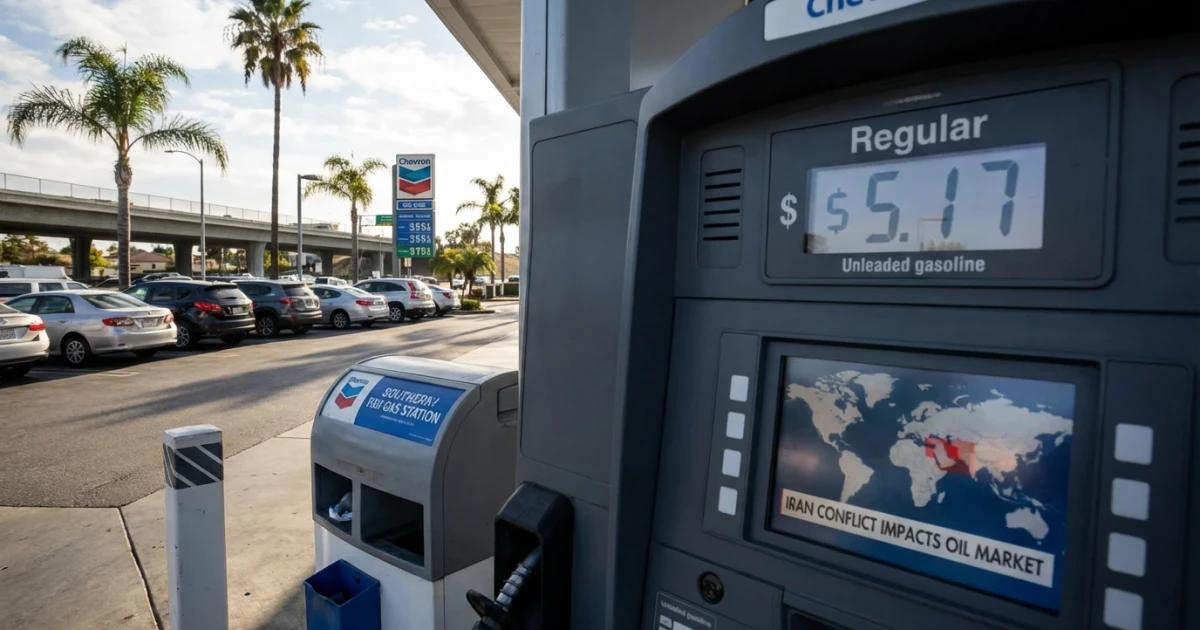
Southern California drivers are facing sharply higher gas prices, with the average price in Los Angeles County reaching $5.17 per gallon. This spike comes as the ongoing war in Iran disrupts global oil supplies, intensifying pressure on the region’s fuel market.
Sharp Price Increases Across the Region
According to ABC7 Los Angeles, the jump in prices has been felt across Southern California, with Los Angeles County leading the surge. This steep increase marks one of the highest averages seen in recent months, echoing a pattern familiar to California drivers who often pay more at the pump than the national average.
- The AAA Gas Prices tracker shows real-time data confirming the spike, with regional averages well above $5 per gallon.
- Official data from the California Energy Commission details recent weekly price jumps, highlighting Los Angeles and surrounding counties as hardest hit.
Global Events Driving Local Costs
The escalation of conflict in Iran has sent ripples through international oil markets, affecting supply chains and futures prices. California, known for its higher regulatory standards and limited refinery capacity, is particularly sensitive to these global disruptions. The U.S. Energy Information Administration notes that geopolitical instability often leads to immediate upward pressure on retail gas prices, especially in West Coast states.
Industry analysts point out that California’s unique blend requirements and reliance on imported crude make it more vulnerable to international supply shocks. The war in Iran has heightened concerns about oil shipments through the region, further straining supply and driving up prices at the pump.
Understanding California’s Price Premium
Historically, California drivers pay more for gasoline than the national average due to a combination of higher taxes, environmental regulations, and a relatively isolated supply chain. According to the California Legislative Analyst’s Office, these factors can amplify the impact of global market disruptions on local prices.
- California has some of the nation’s highest fuel taxes and environmental fees, which add to retail prices even during periods of stability.
- The state’s refineries also operate on a specific gasoline formulation that limits the ability to quickly import fuel from other regions when supply is tight.
When global events—such as the ongoing conflict in Iran—affect oil supply, California’s pricing structure can magnify the effect, leading to price spikes that outpace national trends.
Expert Analysis and Outlook
Energy experts emphasize that geopolitical events remain a key driver of short-term volatility in gasoline prices. The EIA FAQ on gasoline price fluctuations explains that wars, supply chain interruptions, and international tensions all contribute to sudden changes at the pump. With uncertainty lingering over the duration and scope of the conflict in Iran, analysts warn that prices could remain elevated or even climb further if the situation escalates.
What Drivers Can Expect
- Continued volatility in retail prices as oil markets react to developments in Iran
- Potential for further increases if supply disruptions persist or spread to other oil-producing regions
- Ongoing pressure on California drivers, who already face some of the highest gasoline costs in the country
In the meantime, local and state officials are monitoring the situation closely. Consumers are encouraged to track real-time prices and consider fuel-saving strategies as uncertainty continues. For the latest updates and price trends, drivers can consult resources like the AAA Gas Prices and official data from the California Energy Commission.
As global tensions persist, the outlook for gas prices remains closely tied to developments overseas, underscoring the interconnectedness of international events and local consumer costs.