US News
Southern States Face Uncertainty After Voting Ruling
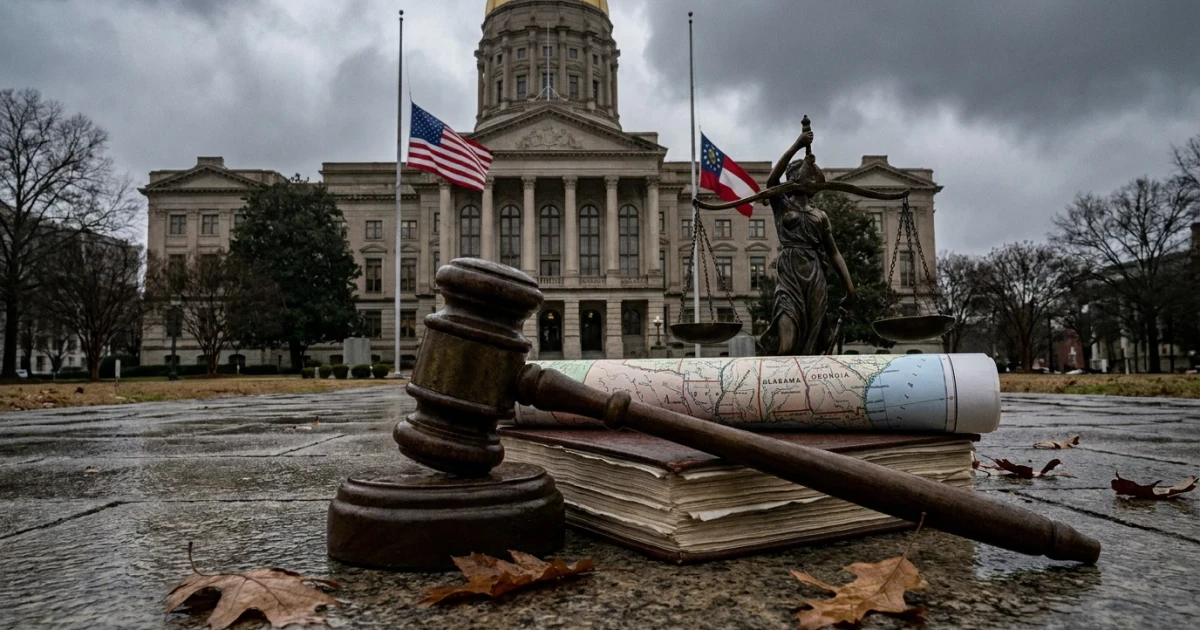
Southern states are witnessing a wave of political upheaval and legal maneuvering following a recent U.S. Supreme Court decision on voting rights. The ruling has set off a flurry of activity in state legislatures and courts, particularly in Louisiana and Alabama, as officials and advocacy groups grapple with the implications for redistricting and election law ahead of the 2028 elections.
Supreme Court Ruling Spurs Redistricting Battles
The Supreme Court’s decision, which addressed the scope of protections under the Voting Rights Act, has had an immediate and dramatic impact across the South. According to The New York Times, the ruling has already prompted new lawsuits, emergency legislative sessions, and a surge of activism from civil rights organizations. In states like Louisiana and Alabama, where redistricting was already contentious, lawmakers are now under renewed pressure to redraw congressional and legislative maps that reflect the changed legal landscape.
- Louisiana has convened special sessions to debate new district boundaries, sparking partisan disputes and protests at the state capitol.
- Alabama faces multiple ongoing lawsuits challenging its current maps, with both state and federal courts likely to play a role in determining the final outcome.
The New York Times reports that the decision has emboldened some state legislators to propose new maps that could dilute the impact of Black voters, while advocacy groups argue that the ruling demands greater protection for minority communities. The legal wrangling is expected to continue for months, with the 2028 election cycle looming large.
Political and Legal Fallout Across the Region
Beyond the immediate redistricting fights, the Supreme Court’s decision is reshaping the broader political environment across the South. The Hill notes that both major parties are recalibrating strategies in light of the new rules, with Democrats pledging to mobilize voters and pursue litigation, and Republicans seeking to consolidate gains where possible. The uncertainty has led to a flood of fundraising appeals and heightened rhetoric from candidates and interest groups.
Meanwhile, the U.S. Department of Justice Voting Section is monitoring developments closely, with potential for further federal intervention if new maps are found to violate voting rights protections. The Brennan Center’s Redistricting Lawsuits Tracker highlights a surge in legal filings across multiple Southern states, underscoring the region’s central role in shaping national voting law precedent.
Implications for Voter Participation and Turnout
The political turmoil is also raising questions about the impact on voter engagement. Data from the United States Elections Project shows that Southern states have historically lagged behind national averages in voter turnout, though recent cycles have seen increases in some states. Experts warn that prolonged legal battles and uncertainty about district boundaries could sow confusion among voters, potentially suppressing participation in upcoming elections.
At the same time, a Pew Research Center analysis finds that a majority of Americans believe redistricting has a significant impact on electoral fairness, with particularly strong opinions in the South. This suggests that public scrutiny of the process will remain intense in the lead-up to 2028, as activists and watchdogs call for more transparency and accountability.
Looking Ahead: High Stakes for 2028 and Beyond
With just two years until the next presidential election, the outcome of these redistricting battles could have lasting consequences for representation and power in the region. Political analysts predict that even small shifts in district lines could affect control of Congress, as well as state legislatures.
As legal challenges work their way through the courts and lawmakers debate new maps, Southern voters and advocacy groups are preparing for a prolonged fight over the future of their political voice. The final shape of districts in Louisiana, Alabama, and other states will help determine not only who wins in 2028, but also how the South’s diverse communities are represented for years to come.