Sports
Southgate to Tuchel: how England’s leadership style is changing
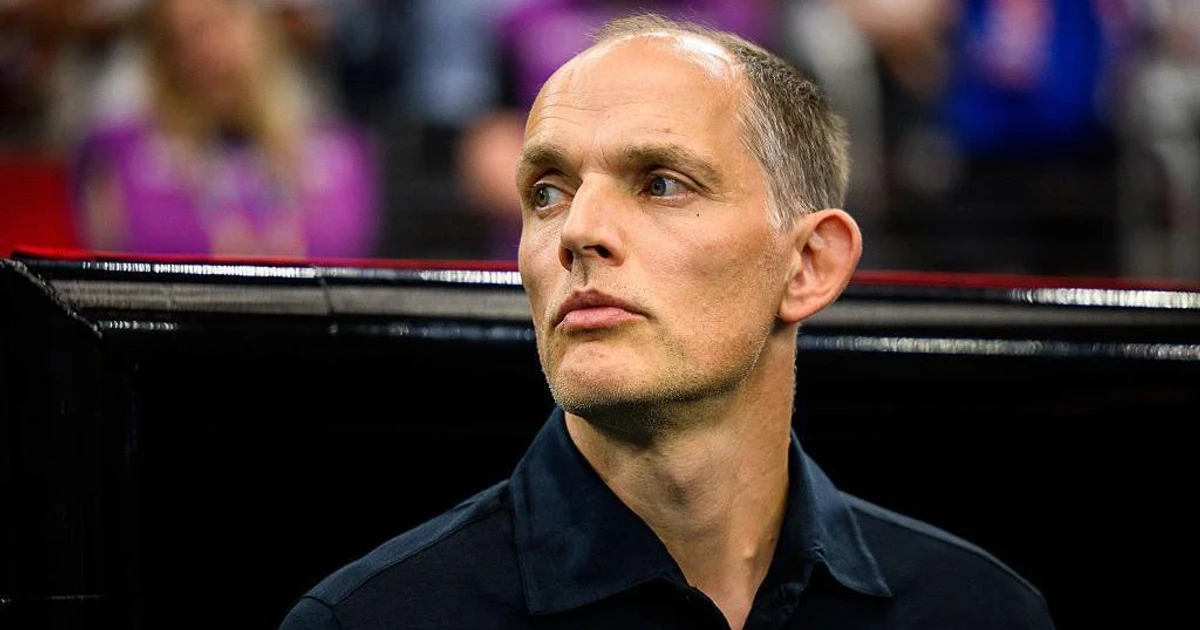
England have not just changed managers, they have changed the temperature around the job. Gareth Southgate made the national team feel composed, protected and emotionally steady; Thomas Tuchel arrives with a firmer hierarchy and a sharper tactical hand. The key issue is no longer personality alone, but whether that shift can squeeze out the marginal gains that decide World Cups and European Championships.
A deliberate reset, not a simple succession
Southgate’s departure closed one of the most successful modern periods in England men’s football. Appointed in November 2016 after a spell as interim boss, he took England through a sustained run of major tournaments: the 2018 World Cup semi-finals, the Euro 2020 final, the 2022 World Cup quarter-finals and the Euro 2024 final. He resigned after England’s defeat to Spain in that final in July 2024, ending a tenure that England Football says covered 102 senior men’s matches, 61 wins, 57 caps as a player and 37 matches in charge of the Under-21s.
Tuchel’s arrival was framed as a fresh start with purpose. The Football Association said the search for Southgate’s successor began in July 2024, immediately after the Euro 2024 run ended, and concluded with Tuchel’s appointment as England men’s head coach on 16 October 2024. He started work on 1 January 2025, giving him the opening stretch of the FIFA World Cup 2026 qualifying campaign to impose his methods before the pressure of a tournament proper arrives.
What Southgate built: stability, continuity and protection
Southgate’s England were defined by order. His best quality was not flamboyance, but the ability to create a settled environment in which players understood their roles, the dressing room was carefully managed and the public message stayed calm even when results turned volatile. That mattered in tournament football, where uncertainty can spread quickly if the national team starts to look divided or emotionally fragile.
That stability also helped England become consistent in reaching the latter stages. Four deep runs across three major competitions and the 2024 final show a team that rarely collapsed under pressure. Southgate’s style was often measured in the way he handled selection, preserved squad unity and kept senior players within a predictable framework, even when the football itself was criticised for caution. For England, the trade-off was clear: less chaos, more structure, but sometimes not enough attacking edge when the margins narrowed.
What Tuchel changes: edge, hierarchy and harder decisions
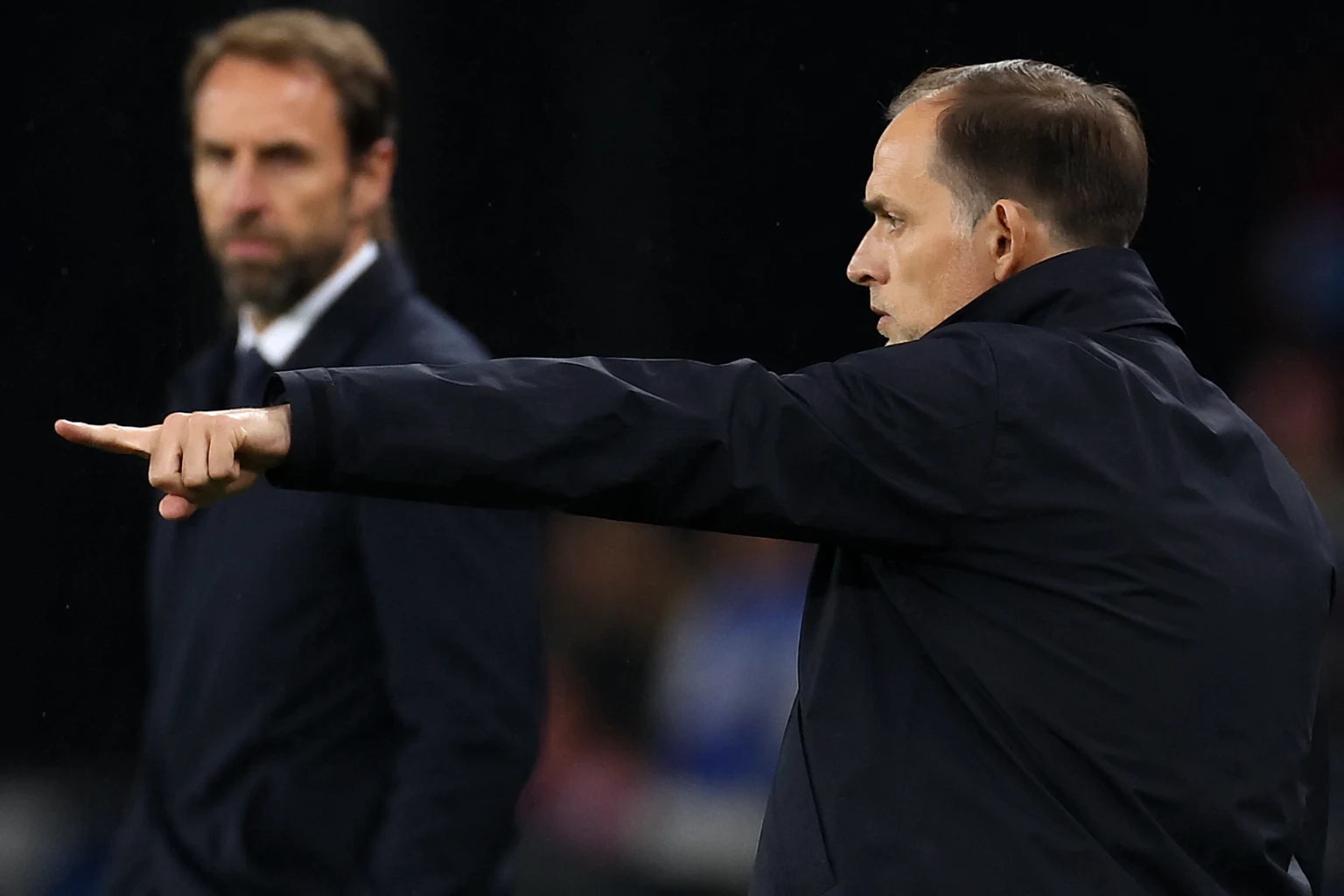
Tuchel comes in with a very different managerial identity. The FA highlighted his trophy-winning spells abroad and at Chelsea, where he helped make Chelsea European and world champions and was voted UEFA and FIFA coach of the year in 2021. That profile matters because it suggests a coach accustomed to imposing standards quickly, demanding immediate buy-in and making hard calls without waiting for consensus to form around him.
The contrast with Southgate is as much cultural as tactical. Southgate was widely seen as a stabiliser; Tuchel is more likely to be a disruptor in the constructive sense, someone who challenges habits rather than protects them. Contemporary coverage around his appointment has already focused on how much he has changed England from the Southgate era, which tells you where the debate sits: not whether he is different, but whether that difference is visible enough on the pitch.
His initial backroom team reinforced that sense of a new structure. Anthony Barry arrived as assistant coach, alongside Henrique Hilário, Nicolas Mayer and James Melbourne, with further staffing updates promised. That sort of deliberate staffing build suggests a coach who wants clear lines of authority, specialist support and an environment in which the manager’s demands are translated into every layer of preparation.
Match management and risk tolerance are where the split matters most
The sharpest contrast between the two men is in-game decision-making. Southgate’s England often felt built to avoid self-inflicted damage first, then to grow into matches from that base. Tuchel is more likely to live with greater variance if he believes the reward is worth it. That difference matters in tournament football, where a single knockout tie can be decided by one aggressive substitution, one tactical gamble or one choice to press higher and expose more space.
For England, that could change the rhythm of games in practical ways:
• Earlier tactical adjustments rather than waiting for a match to settle • Greater willingness to unsettle opponents with system changes • Less deference to reputations if a star is not matching the game plan • More explicit accountability for whether players execute defined roles
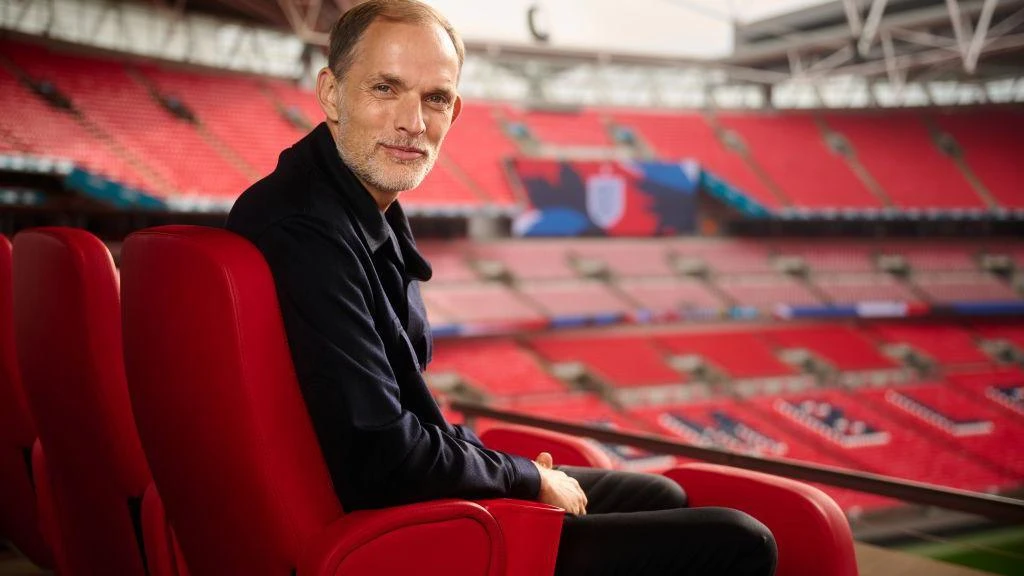
That does not automatically mean more goals or easier wins. It does mean Tuchel is more likely to treat a tournament as a series of problem-solving exercises, rather than as a test of emotional balance and cohesion alone. If Southgate’s England were often trying to avoid panic, Tuchel’s England are more likely to provoke opponents into mistakes.
What it means for star players
This is where the leadership change becomes tangible. Southgate’s England were often shaped around keeping senior players comfortable inside a collective structure, especially across a long international cycle. Tuchel’s history suggests a less indulgent approach. Star status may still matter, but it is less likely to guarantee protection if a tactical assignment is not being fulfilled.
That has consequences for how England’s best-known players are used. Under Tuchel, a big name may have to earn a role through pressing, positioning or adaptation rather than reputation alone. For a squad that has often been rich in attacking talent but uneven in fit, that could be a productive shock. It could also create friction if players who were central under Southgate find themselves asked to do less of what they prefer and more of what the system demands.
Why this could alter England’s tournament ceiling
England’s long-term aim has not changed: the men’s team are still chasing a first World Cup title since 1966. The argument for Tuchel is that, at the point where tournaments are won by fine margins, a more forceful and less sentimental style may be better equipped to turn a talented squad into a ruthless one. Southgate proved that England could become reliable contenders; Tuchel has been hired to see whether reliability can be converted into decisiveness.
That is why this leadership change matters beyond biography. Southgate gave England control, continuity and credibility. Tuchel brings sharper edges, a stronger hierarchy and a willingness to take risks that might raise England’s ceiling if the squad absorbs them quickly enough. The next cycle will show whether England needed only steadiness, or whether tournament football at the very top still demands a more confrontational kind of manager.
Sources
- [1]bbc.com
- [2]thefa.com
- [3]englandfootball.com
- [4]premierleague.com
- [5]fifa.com
- [6]yahoosports.com