Politics
Southport inquiry to probe internet’s role in violent extremism
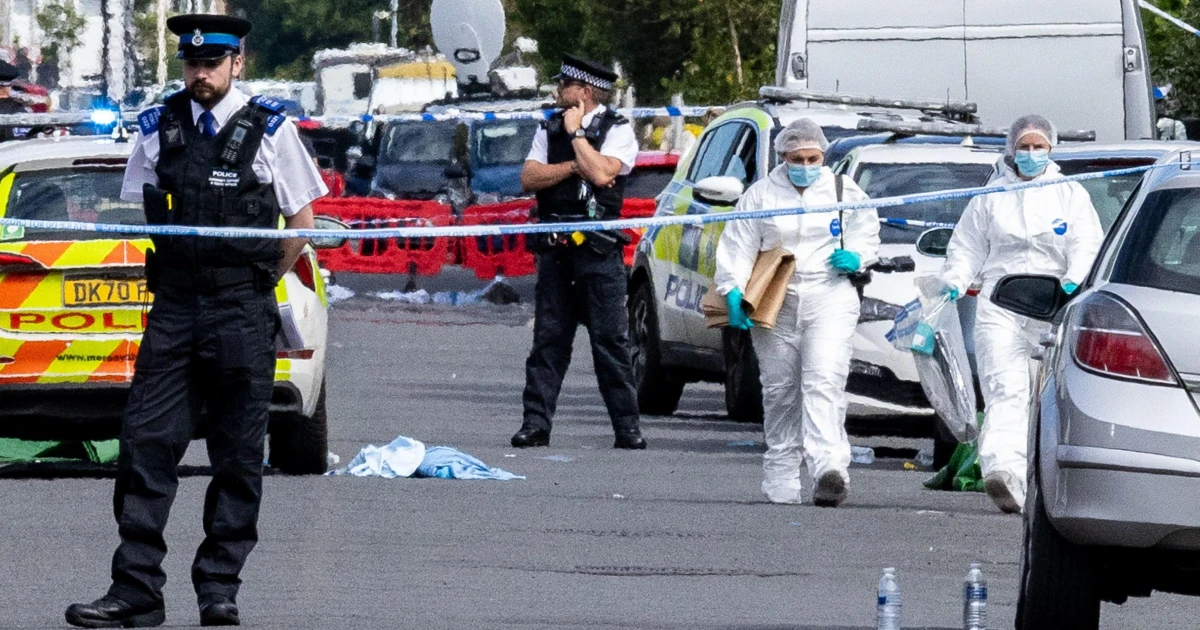
The Southport Inquiry opened its second phase on July 8, 2026, turning to violence-fixated individuals, or VFIs, and to the role of the internet in shaping them. Sir Adrian Fulford’s next stage will test whether the safeguards in England and Wales are strong enough to manage people at risk of extreme violence where ideology is not the main driver, and whether access to knives and other dangerous weapons can be tightened.
That inquiry was set up on April 7, 2025, after the conviction of Axel Rudakubana, who was 17 at the time of the attack. On July 29, 2024, he carried out a knife attack at a children’s dance class in Southport, murdering Alice da Silva Aguiar, who was nine, Bebe King, who was six, and Elsie Dot Stancombe, who was seven. He also injured 10 other people and left 16 more survivors with psychological injuries.

The first phase of the inquiry published its findings on April 13, 2026, after nine months of evidence. It concluded that the murders of the three girls “could and should have been prevented” if agencies had acted differently, and it made 67 recommendations to the bodies involved in the case. The report examined the years, months and days before the attack, including decisions taken by multiple agencies.

Phase 2 is aimed at the policy gaps that remain. Its terms of reference examine how the online environment influences the behaviour of VFIs and whether further steps are needed to stop access to knives and other weapons. The government welcomed that focus. The role of the online environment in inspiring and enabling violence-fixated individuals will be a core part of the next stage. HMICFRS warned police need to be better prepared to handle the risks posed by online content during serious disorder and to prioritise intelligence on disorder, after major violent unrest followed the Southport attack.