Entertainment
Soviet-born writer tours Monticello with his American-born son
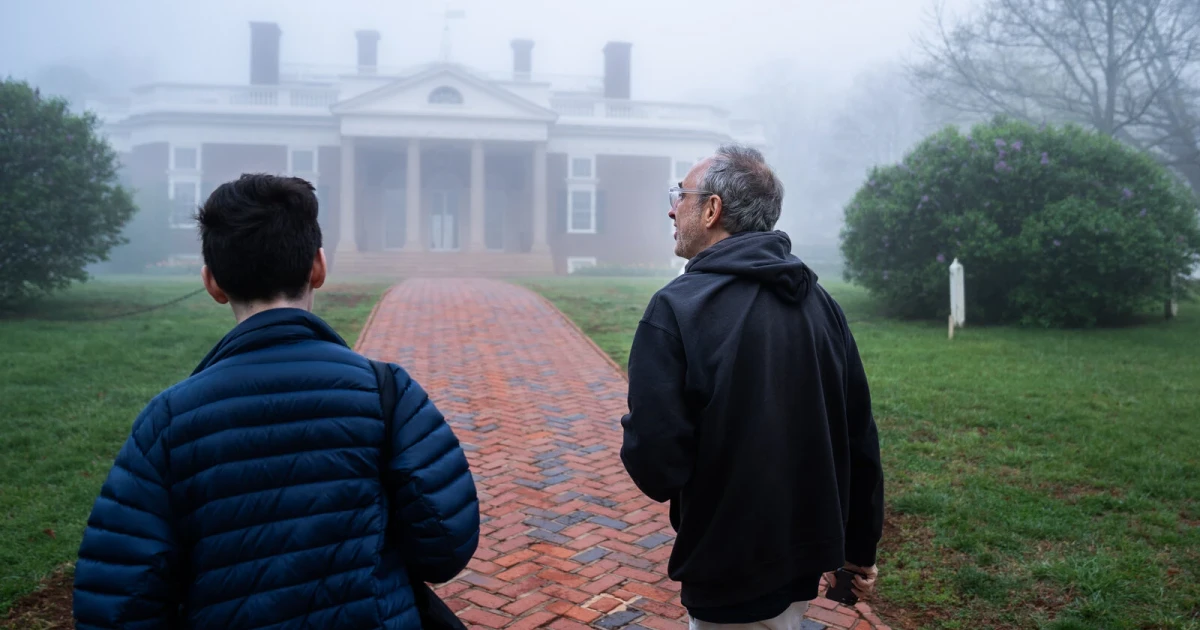
Gary Shteyngart took his American-born son to Monticello and found the contradictions of the country’s founding story built into Thomas Jefferson’s mountaintop home. For a writer born in Leningrad on July 5, 1972, and brought to the United States with his family in 1979 at age 7, the visit turned a family outing into a reminder of how newcomers and their children inherit America through both its promises and its omissions.
Shteyngart has spent much of his career writing about immigration, cultural dislocation and American life, and Monticello gave those themes a physical setting. The house in Charlottesville, Virginia, was designed and redesigned by Jefferson for more than 40 years, and today it stands as the only presidential home in the United States designated a UNESCO World Heritage site. That distinction places the property among the nation’s most cherished landmarks, but it also sharpens the tension at the center of the visit: Jefferson was the author of the Declaration of Independence and an enslaver who lived the reality of that contradiction every day.
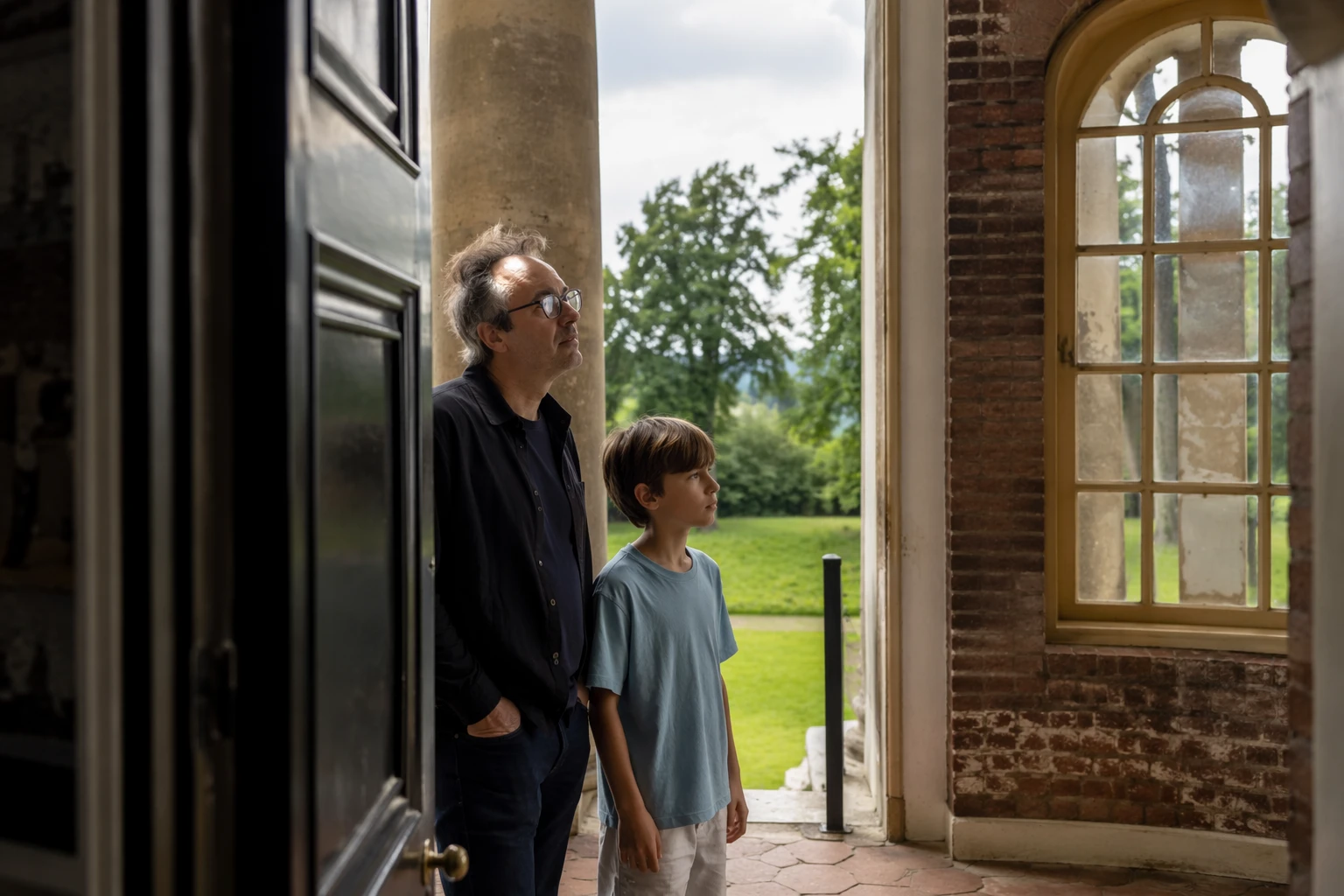
During Jefferson’s lifetime, Monticello was a 5,000-acre plantation where more than 400 enslaved men, women and children lived and labored. Jefferson enslaved more than 610 people over the course of his life. Monticello now interprets that history through the Slavery at Monticello program, the Burial Ground for Enslaved People, Mulberry Row and tours focused on the enslaved community, forcing visitors to confront the people who made the house function and the nation’s founding myth more complicated than schoolbooks often suggest.

That complexity carries added weight in 2026, as Monticello marks the 250th anniversary of the Declaration of Independence with special programming tied to Jefferson’s legacy. The timing makes the site more than a preserved home. It has become a place where a Soviet-born father and his American-born son can read the country differently at the same time, one shaped by memory of arrival and the other by inheritance.
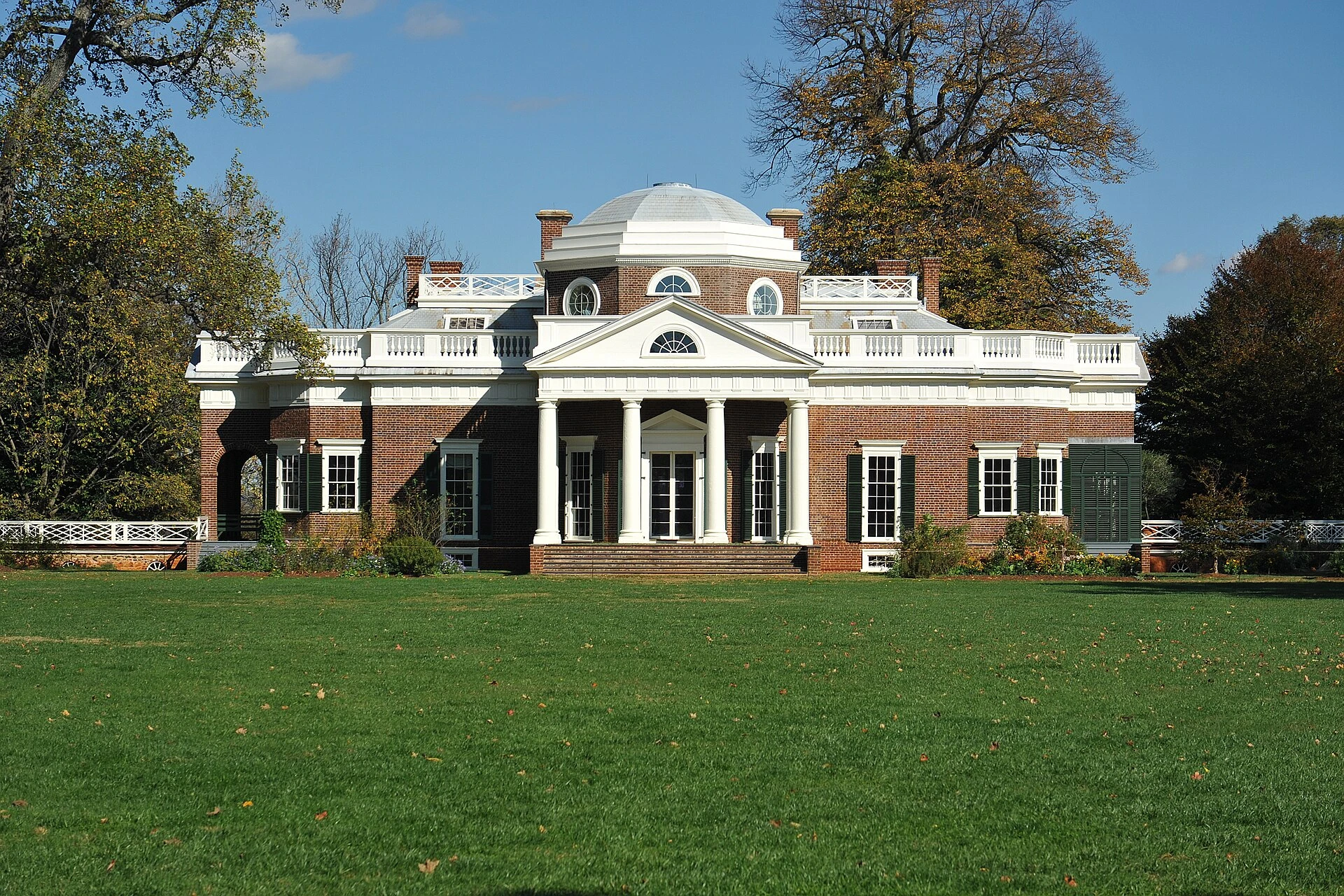
For Shteyngart, whose novels and memoir have long mined the absurdities of becoming American, the tour linked private family history to a public reckoning. Monticello presents Jefferson as a visionary who helped define the language of freedom, while its exhibits on slavery show the human cost of that vision. For immigrants and their children, that contradiction is not abstract. It is part of how the United States is learned, argued over and passed down.
Sources
- [1]nytimes.com
- [2]monticello.org