World
Soyuz MS-29 docks at ISS with NASA astronaut and Russian cosmonauts
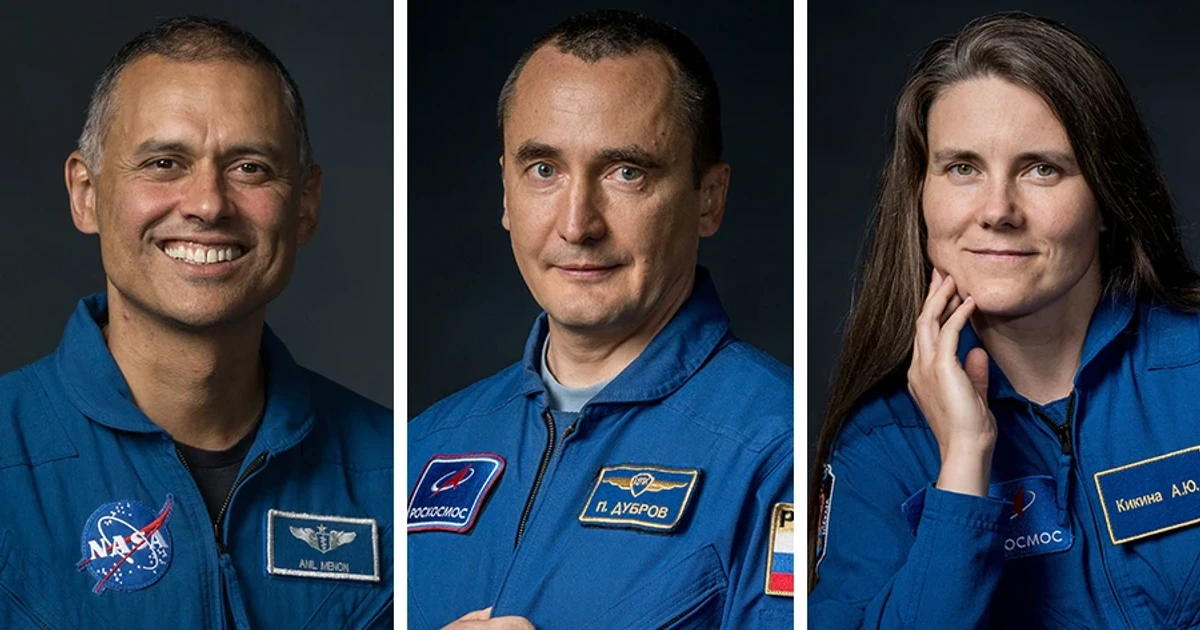
Soyuz MS-29 delivered NASA astronaut Anil Menon and Roscosmos cosmonauts Pyotr Dubrov and Anna Kikina to the International Space Station on Tuesday, a flight that once again tied the station’s crew rotation to Russia’s Soyuz system. The capsule reached the orbiting laboratory’s Prichal module at 1:52 p.m. EDT after lifting off from Baikonur Cosmodrome in Kazakhstan at 10:47 a.m. EDT aboard a Soyuz-2.1a rocket.
The launch marked Menon’s first trip to space and put him aboard an eight-month mission with two experienced fliers. Dubrov and Kikina joined the flight as veterans, and the three were welcomed into Expedition 74 after docking. NASA said the crew is scheduled to remain on the station for about eight months before returning to Earth in April 2027.
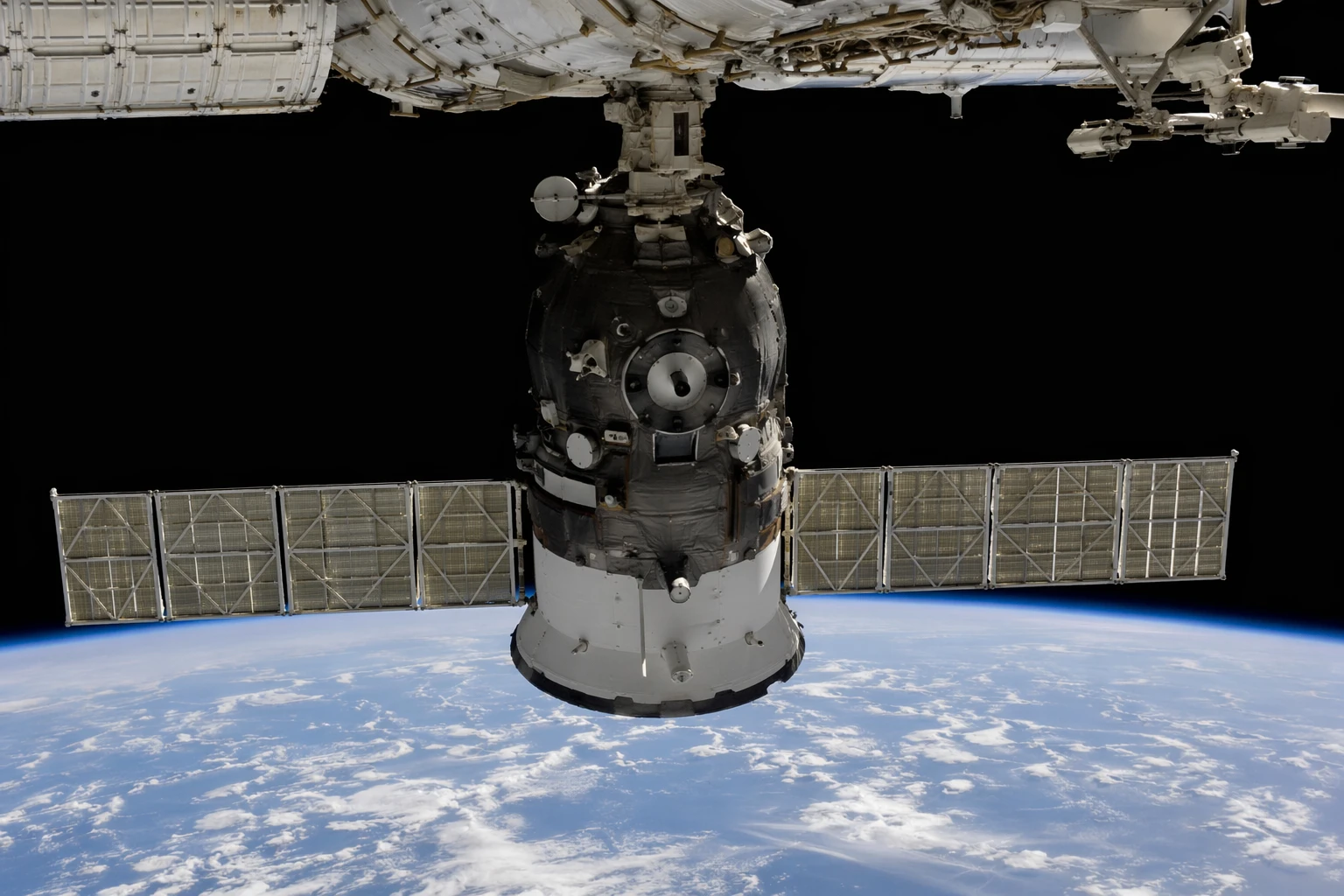
The mission replaces three other Soyuz crew members who have spent roughly 240 days in orbit, a reminder that the station’s staffing still turns on a tightly managed handoff between incoming and outgoing crews. That cadence keeps the ISS continuously occupied, but it also shows the limits of any clean break between the United States and Russia in human spaceflight. Even as broader relations remain strained, NASA and Roscosmos still rely on one another to move astronauts and cosmonauts to and from the station.

Soyuz MS-29 reached orbit about 8 minutes and 46 seconds after liftoff, a quick climb that set up the rendezvous with the station later in the day. NASA linked the mission to ongoing scientific work aboard the orbital laboratory, where crew rotations are scheduled around experiments that require steady staffing, maintenance and time-sensitive operations. Each arrival resets those schedules: one crew takes over systems checks, sample handling and daily station work while another prepares to depart after months in microgravity.
For NASA, the flight also reflects a practical contingency arrangement. Keeping astronauts on the ISS has depended on shared crew transportation since the end of the shuttle era, and that dependence remains visible every time a Soyuz capsule docks. The arrangement allows the station to keep operating as a joint research outpost even when political ties between Washington and Moscow are under pressure.
Sources
- [1]cbsnews.com
- [2]nasa.gov
- [3]apnews.com