Business
S&P 500 futures fall as tech sell-off ripples through global markets
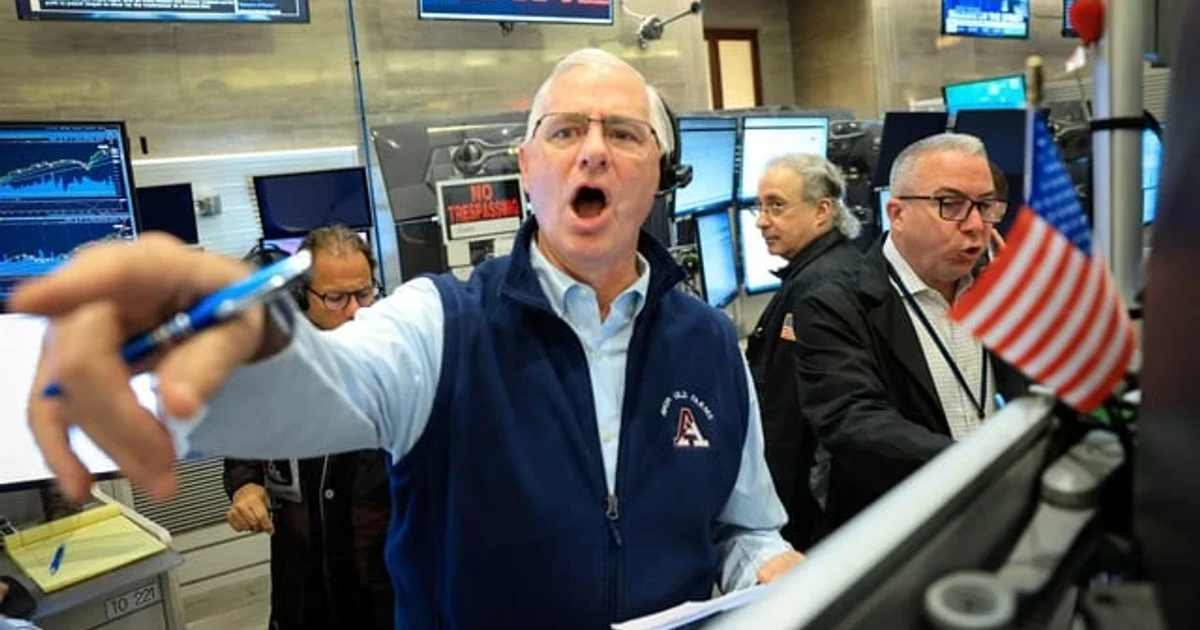
Traders spent Tuesday weighing whether the latest slide was just a reset in AI and megacap tech or the start of a broader global risk-off move. By 4 a.m. ET, S&P 500 futures were down 1.4% and Nasdaq 100 futures had fallen 2.3%, as a heavy tech selloff on Wall Street spilled into Asia and dragged South Korea’s benchmark deep into the red.
The pressure had already been building in the prior session. The S&P 500 and Nasdaq closed lower on Monday, June 22, pulled down by Alphabet and other megacap technology names, while the Dow Jones Industrial Average finished higher on gains in healthcare and industrial shares. SpaceX tumbled 16.4%, its biggest single-day drop, and added to the weakness in the Nasdaq Composite. Investors were also parsing developments in U.S.-Iran negotiations, adding a geopolitical layer to an already fragile market tone.
The next trading day brought the clearest evidence that the pullback was not confined to New York. South Korea’s KOSPI plunged 9.99%, its steepest drop in more than three months, after overseas investors sold chipmakers on signs that the sector’s rally had gotten overheated. Samsung Electronics and SK Hynix were the main drags, and the broader market was halted after triggering a circuit breaker, underscoring how concentrated South Korea’s equity gains had become around semiconductor and AI-linked stocks.
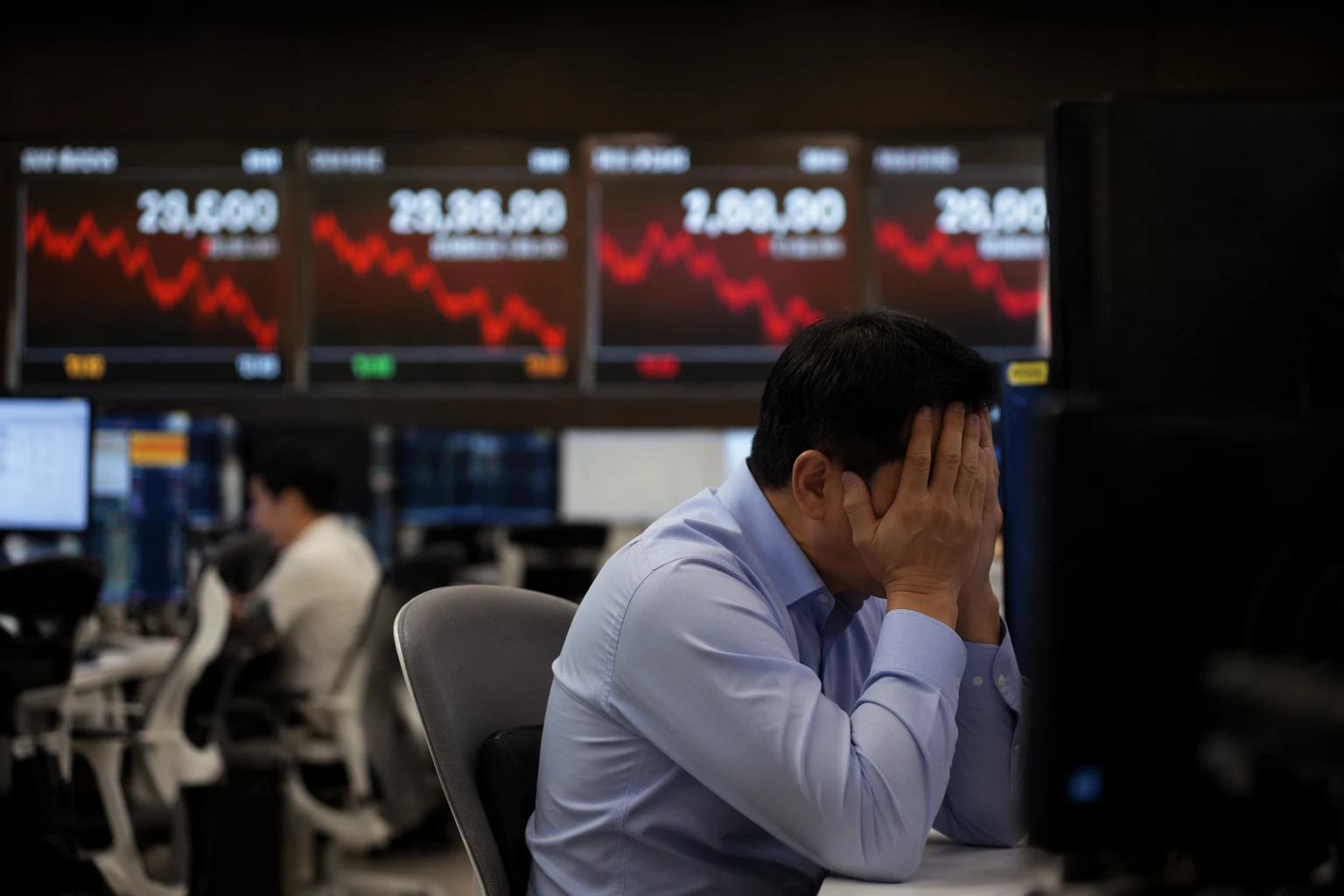
The move was stark even by the market’s recent standards. Trading Economics data showed the KOSPI near 9,115 on June 22 before falling to about 8,204 on June 23, a one-day swing that erased a significant chunk of this year’s gains. South Korea had been one of the world’s hottest equity markets, powered by AI enthusiasm and a powerful run in chip stocks, but the speed of the reversal showed how quickly crowded trades can unwind when sentiment changes.
Jeong Eun-bo, chief executive of Korea Exchange, sought to cool fears of a deeper break. “This is a rebalancing exercise, and has nothing to do with any loss of conviction in the Korean market,” he said. Still, the combination of lower U.S. futures, a sharp retreat in AI-linked shares and a halt in Seoul pointed to a market testing its valuation comfort zone. If the selling spreads beyond a handful of tech leaders, the next pressure point could be retirement accounts tied to index funds, consumer confidence and the cost of financing for companies that have depended on buoyant equity prices.
Sources
- [1]news.google.com
- [2]cnbc.com
- [3]money.usnews.com
- [4]msn.com
- [5]tradingeconomics.com