Business
S&P 500 Futures Slide Amid Strait of Hormuz Tension
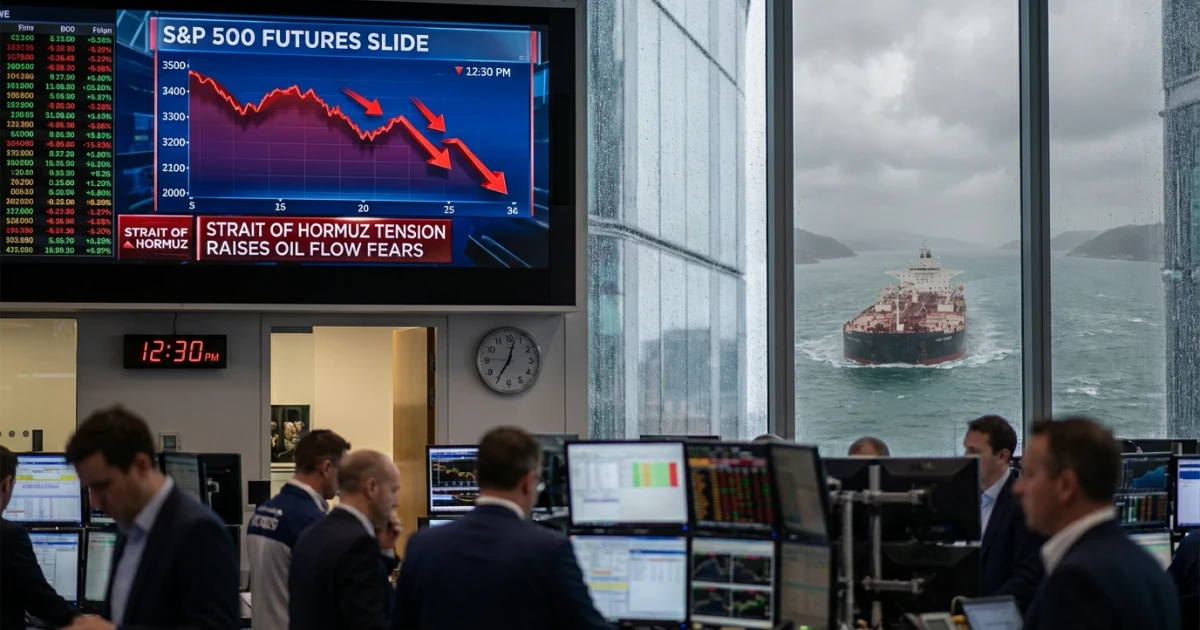
S&P 500 futures posted significant losses early Tuesday as investors reacted to growing uncertainty around the Strait of Hormuz, where a reopening deadline set by former President Donald Trump loomed over global markets. Concerns over the vital oil shipping route sent ripples through financial markets, with traders closely monitoring potential disruptions to energy supplies and their impact on equities.
Strait of Hormuz: A Critical Chokepoint
The Strait of Hormuz is one of the world’s most strategically important waterways, serving as a transit point for roughly 20% of global oil trade. Any disruption there can have immediate consequences for crude oil prices, global supply chains, and broader market sentiment. According to the U.S. Energy Information Administration, millions of barrels of oil pass through the strait each day, making it a key barometer for energy markets.
Market Reaction to Geopolitical Uncertainty
As the deadline imposed by Trump to reopen the strait approached, investors responded with a risk-off stance, pushing S&P 500 futures sharply lower in pre-market trading. The selloff reflected concerns that even a brief disruption to oil shipments could spike energy prices and add headwinds to global growth. While no direct military action had been confirmed as of Tuesday morning, the tension was enough to trigger volatility across asset classes.
- S&P 500 futures fell more than 1% in overnight trading, according to CME Group data.
- Oil prices climbed, with Brent and WTI futures both rising on supply concerns.
- Safe-haven assets like U.S. Treasurys and the U.S. dollar edged higher.
Broader Economic Impact
The S&P 500 Index is widely regarded as a benchmark for U.S. equities and global risk appetite. Prolonged instability in the Strait of Hormuz could exacerbate inflationary pressures, disrupt supply chains, and weigh on corporate earnings—especially for energy-intensive sectors. Research from the Brookings Institution underscores how even short-term blockages can lead to abrupt oil price spikes and increased market volatility.
Key Sectors at Risk
- Energy: Oil producers and refiners are directly exposed to supply disruptions and price swings.
- Transportation and Airlines: Higher fuel costs could translate to increased expenses and squeezed margins.
- Consumer Goods: Rising input costs may impact retail prices and consumer spending.
Global Response and Outlook
While the situation remains fluid, the international community has called for restraint and diplomatic solutions to avoid escalation. The U.S. Coast Guard continues to monitor maritime security, and OPEC members have indicated readiness to adjust export strategies if necessary, as seen in OPEC’s oil export data.
With the deadline set by Trump approaching, markets are bracing for further volatility. The coming days are likely to bring new developments as traders watch for official statements and any signs of de-escalation or renewed conflict.
Looking Ahead
Investors remain on alert, balancing hopes for a diplomatic resolution with the reality of heightened geopolitical risk. The S&P 500’s performance in the near term will largely hinge on oil market stability and the outcome of negotiations surrounding the Strait of Hormuz. For now, caution prevails as global markets navigate a period of uncertainty.