Science
Space Babies Remain Science Fiction: Experts Warn Major Hurdles for Human Reproduction Beyond Earth
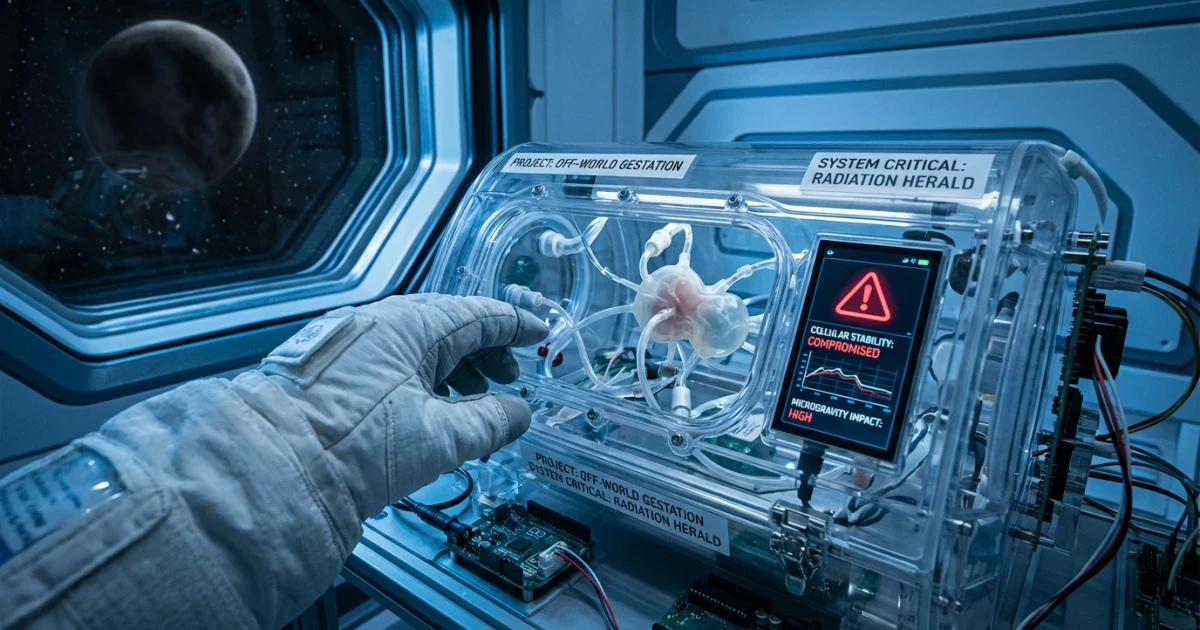
As humanity edges closer to routine space travel and dreams of colonizing other worlds, the prospect of human reproduction in space remains more science fiction than imminent reality. According to leading experts, we are nowhere near technologically or medically ready to safely conceive, gestate, or raise babies off Earth.
The Challenge of Reproduction in Microgravity
The idea of having children in space brings a host of biological and ethical complexities. Key among them is microgravity, the condition experienced by astronauts aboard the International Space Station (ISS) and during extended missions. Microgravity fundamentally alters human physiology—muscle atrophy, bone loss, and changes in fluid distribution are well-documented—but its impact on human fertility, conception, and embryonic development is largely unknown.
- Animal studies have shown that microgravity can disrupt cell division and embryo development.
- Potential risks include improper organ formation and increased chances of miscarriage.
Radiation: A Major Barrier
Another significant concern is the high levels of cosmic radiation outside Earth's atmosphere. Unlike on our planet, where the atmosphere shields us from the majority of harmful rays, space travelers are exposed to much higher doses. For developing embryos and fetuses, this could mean an elevated risk of genetic mutations and developmental disorders.
- Long-term exposure to cosmic radiation is linked to higher cancer risks and potential damage to reproductive cells.
- Protective shielding for habitats and advanced medical monitoring would be essential for any future attempts at space conception.
Space Tourism Raises ‘Urgent’ Fertility Questions
The rise of space tourism has prompted agencies like NASA to call for urgent research into the effects of space environments on reproduction. As private citizens spend longer periods in orbit, questions about accidental conception—and the ability to safely carry a pregnancy—are moving from the hypothetical to the practical.
Experts stress that while animals like mice have been studied in space with mixed results, no controlled studies exist involving human reproduction. Without more data, the risks remain largely theoretical—but potentially severe.
Ethical and Practical Considerations
Attempting to conceive or carry a pregnancy in space also raises profound ethical questions. Medical emergencies during pregnancy or childbirth would be difficult, if not impossible, to manage in a spacecraft or lunar base. The lack of neonatal intensive care and the unknowns around how space affects both mother and baby mean that, for now, such endeavors remain in the domain of future planning rather than immediate action.
Looking Ahead: The Path to Space Colonization
For permanent settlements on the Moon or Mars to become viable, overcoming the hurdles of safe human reproduction in space is essential. This will likely require:
- Long-term studies on the effects of space on human reproductive health
- Advanced protective habitats to minimize radiation exposure
- International guidelines and protocols for reproductive ethics in space
Until these issues are addressed, humanity’s expansion beyond Earth will be limited to adults—and space babies will remain the stuff of imagination, not reality.
Sources
- [1]Gizmodo