US News
Space Center Houston adds galactic soccer match ahead of World Cup
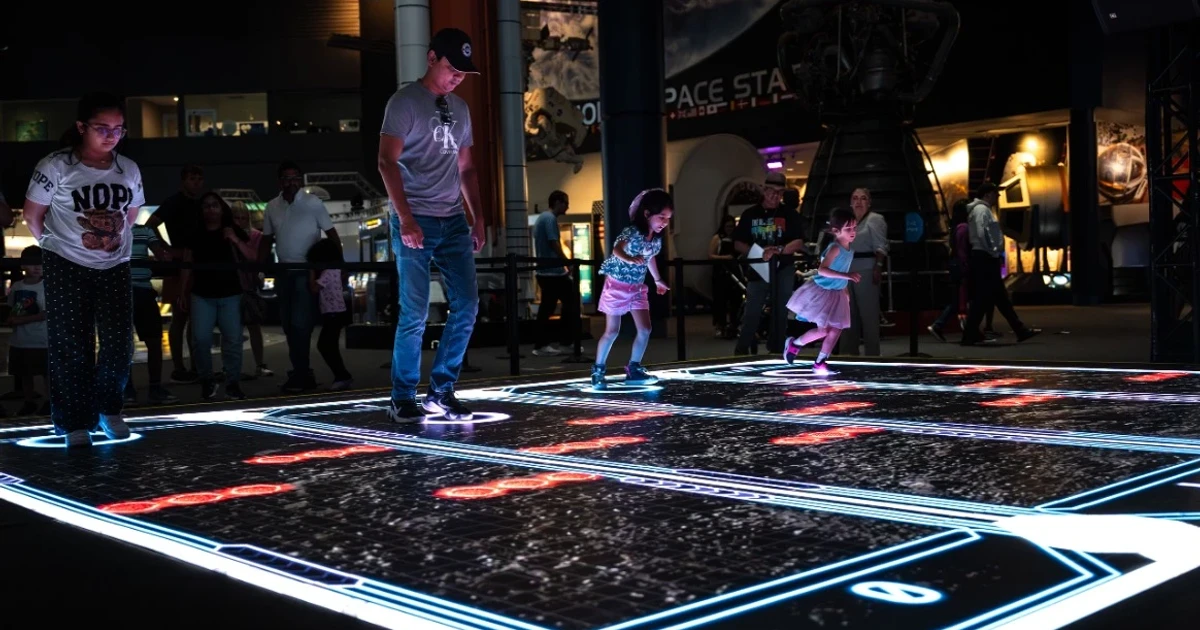
Space Center Houston is leaning into Houston’s World Cup moment by turning one of the city’s best-known science attractions into a global-facing stop for visiting fans. The official visitor center for NASA Johnson Space Center is not just a museum, but a civic brand statement: Houston wants travelers to leave with soccer memories and a reason to come back.
A NASA landmark at the center of Houston’s pitch
The center sits at 1601 NASA Parkway, also listed as 1601 E NASA Parkway, in Clear Lake, about 2 miles east of I-45 and roughly 20 minutes from downtown Houston. Its 183,000-square-foot footprint makes it one of the city’s most recognizable tourism assets, and that scale matters as Houston competes with other host cities for the longer tail of World Cup spending.
That competition is about more than match tickets. FIFA is promoting Houston as a destination for fans, and Space Center Houston gives the city something distinctive to sell alongside the tournament itself: a family-friendly, science-forward stop that translates a short sports trip into a broader Houston experience. In that sense, the center functions as part museum, part welcome center, and part economic development tool.
What visitors find inside
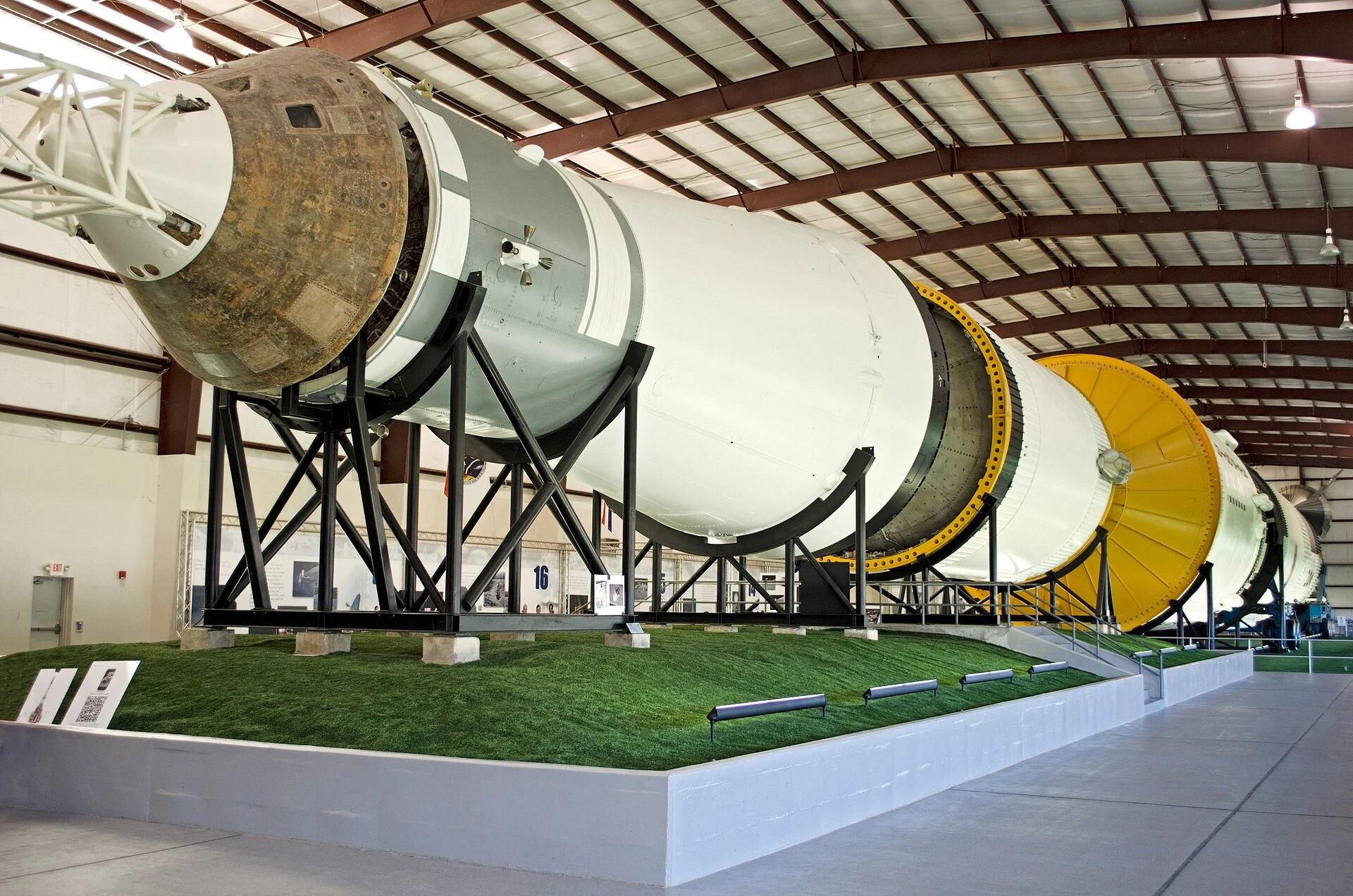
Space Center Houston opened on October 16, 1992, and has built its reputation on access to the story of American spaceflight. The center offers exhibits, live astronaut presentations, and the NASA Tram Tour, all under one roof, and today it lists hours from 9 a.m. to 6 p.m.
The scale of the audience helps explain why this stop keeps showing up in Houston’s tourism message. The International Astronautical Federation says Space Center Houston receives about 800,000 guests each year, while local reporting said attendance exceeded 1 million in 2022. That range suggests a place that already moves serious visitor traffic before the World Cup spotlight even arrives.
For travelers trying to decide whether to build it into a packed Houston itinerary, the key practical detail is simple: it is the official visitor center for NASA Johnson Space Center, not an unrelated attraction borrowing the NASA name. That official status gives the visit weight, especially for international fans who may be looking for one iconic stop that feels uniquely Houston.
The galactic soccer match and why it matters
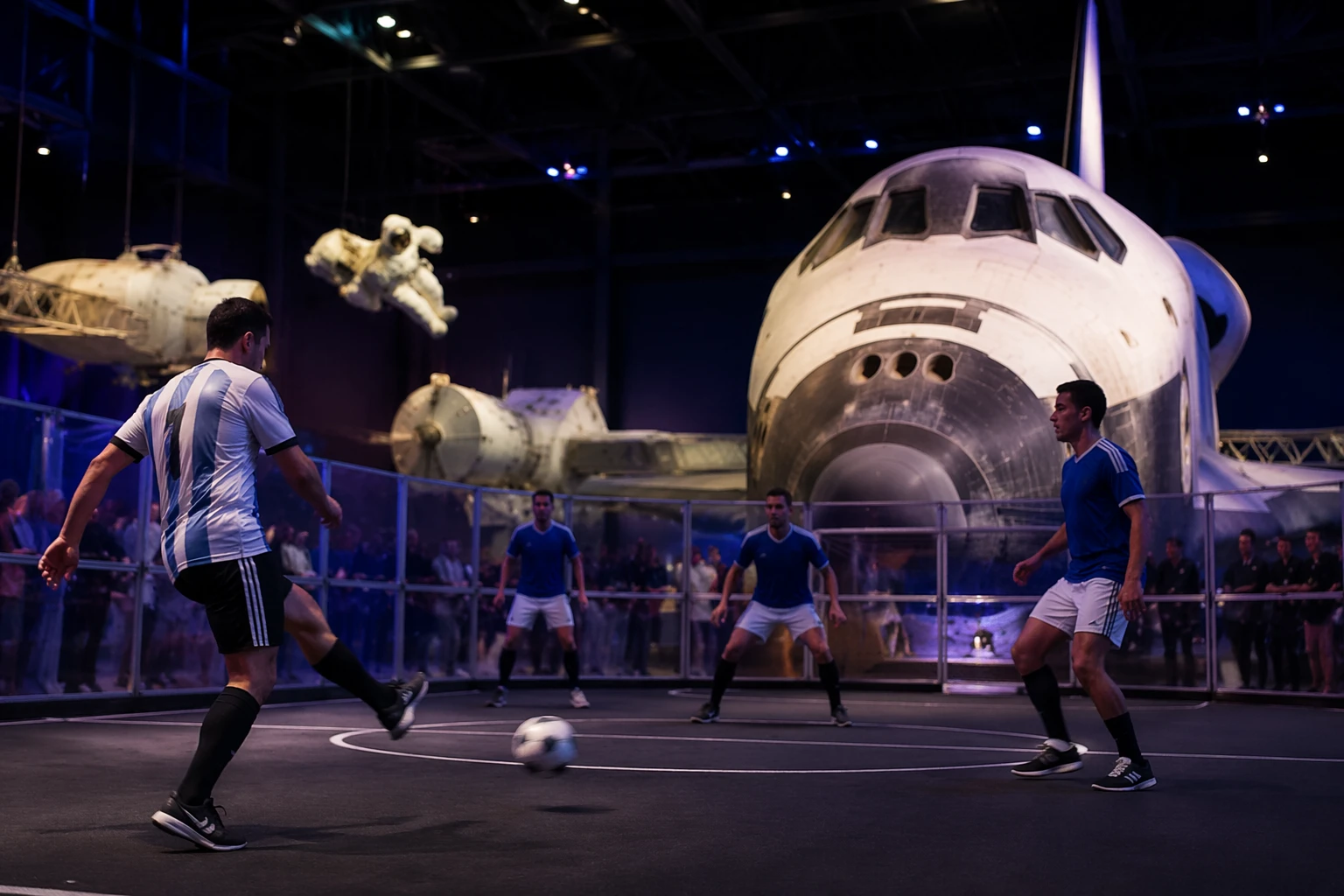
The newest World Cup-era hook is a themed activity the center is promoting as a “galactic soccer match,” and it is included in general admission. The concept is playful, but the strategy behind it is serious: tie a global sports event to an institution already associated with exploration, science, and Houston identity.
That matters because host cities are now in the business of extending the life of big tournaments beyond the final whistle. A city like Houston is not only trying to fill hotels and restaurants during the competition, but also to convert international attention into repeat visits, social media reach, and future spending. By folding a soccer-themed experience into a NASA landmark, Houston is making the case that a World Cup trip can double as a broader cultural visit.
There is also a public-facing equity angle in that approach. Tourism-heavy city branding often concentrates attention on a few highly visible sites, while the neighborhoods and workers who support that visitor economy remain less visible in the glossy pitch. A stop like Space Center Houston can widen access to Houston’s story, but the real test is whether the benefits of these global events travel beyond the attraction itself.
Why Houston’s space story fits a World Cup host city
Houston’s connection to public science tourism goes back decades. NASA says the Manned Spacecraft Center, now NASA Johnson Space Center, first welcomed the public during an open house on the weekend of June 6 and 7, 1964. That history gives today’s World Cup branding a deeper foundation: Houston has long been inviting outsiders to come see something bigger than themselves.
That legacy also helps explain why Space Center Houston feels so useful in the city’s international sales pitch. World Cup host cities have a narrow window to make themselves memorable to millions of visitors and television viewers, and Houston’s answer is to pair stadium energy with a place that already carries global prestige. Space travel, like soccer, crosses borders easily.
For visitors, the result is a neat and unusually Houston itinerary. The center is close enough to downtown to fit into a day trip, large enough to reward the time, and specific enough to feel like more than a generic tourist stop. In a tournament built on movement between cities and cultures, Space Center Houston gives Houston a clear identity: not only a host city, but a city that wants its World Cup guests to leave with a sense of discovery.
Sources
- [1]telemundo.com
- [2]spacecenter.org
- [3]iafastro.org
- [4]nasa.gov
- [5]chron.com
- [6]fifa.com