Business
Space Force awards SpaceX $1.6 billion for 18 military launches
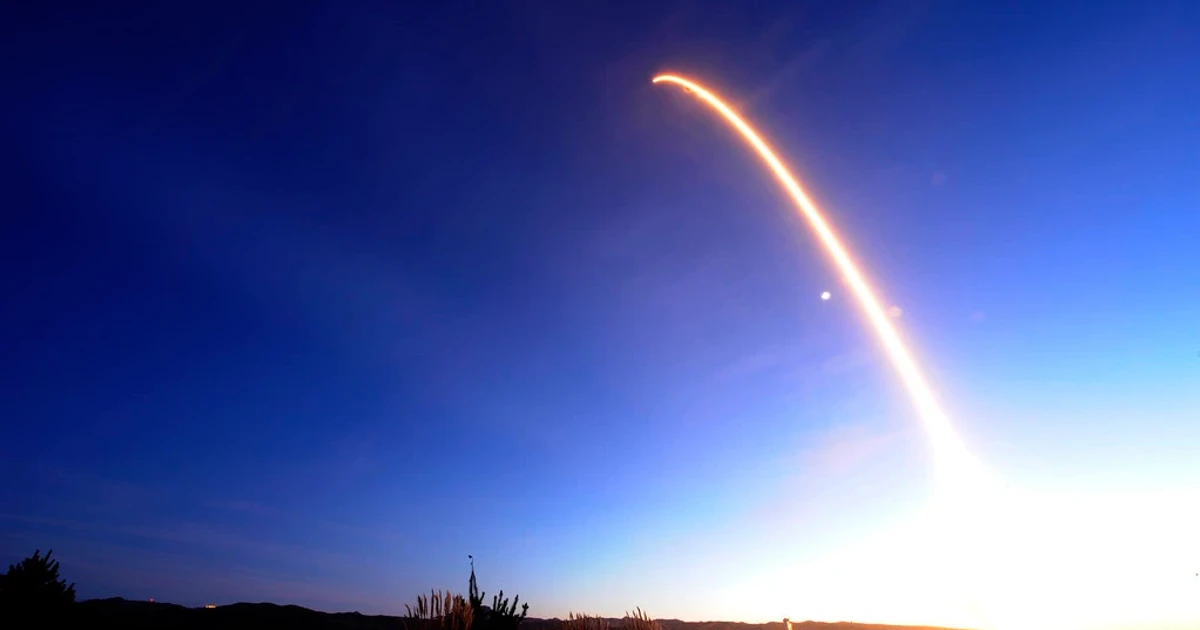
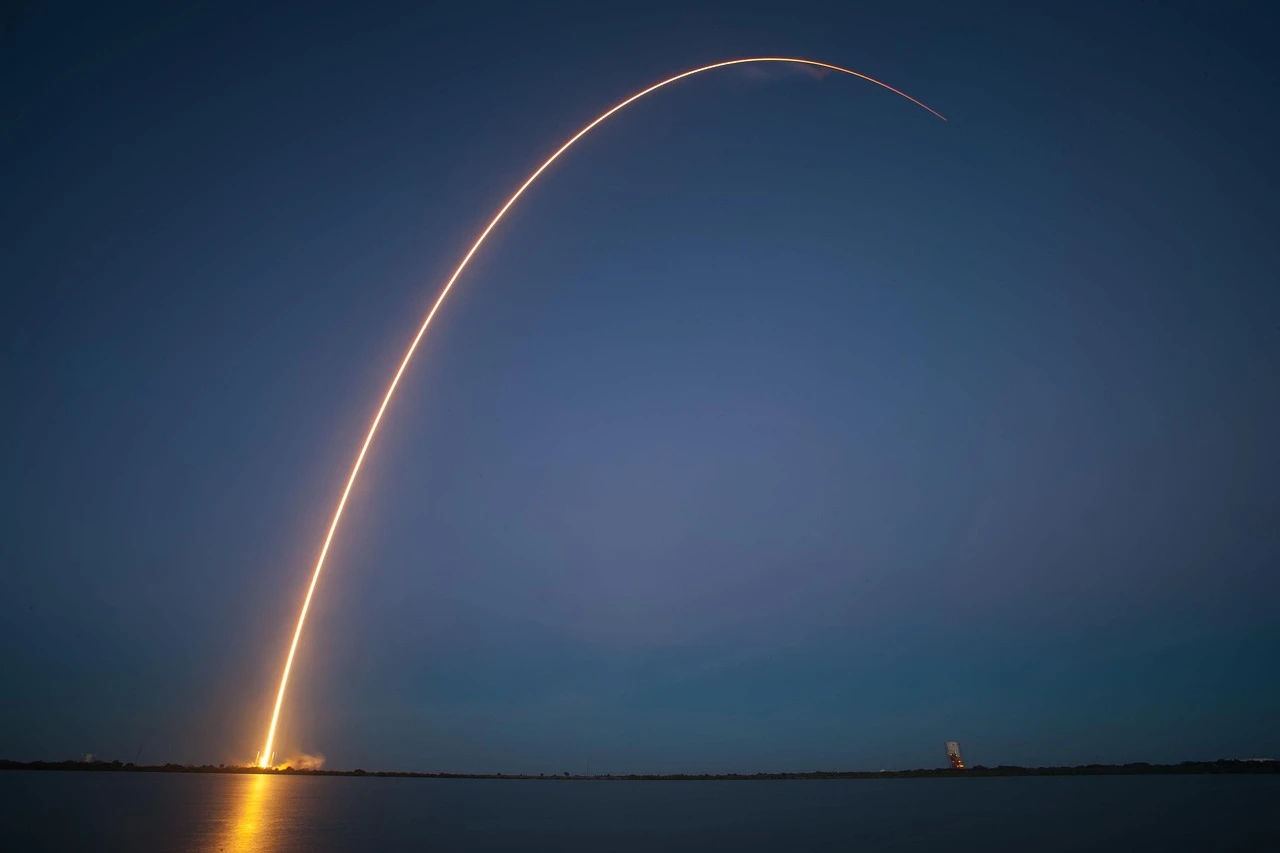
The U.S. Space Force has awarded SpaceX two launch task orders worth $1.6 billion, locking in 18 Falcon 9 missions for military satellites tied to the Pentagon’s Space Based Sensing and Targeting architecture. The award extends SpaceX’s grip on national-security launch work and gives the company another large block of government business built around its reusable rocket fleet.
Space Systems Command said the task orders were the first issued after the Space Force raised the ceiling on its National Security Space Launch Phase 3 Lane 1 contract vehicle on July 17. That lane is built for missions that can accept slightly higher risk in exchange for lower launch costs and faster access to orbit, a formula the Pentagon has leaned on as it tries to speed up deployment of new space systems.
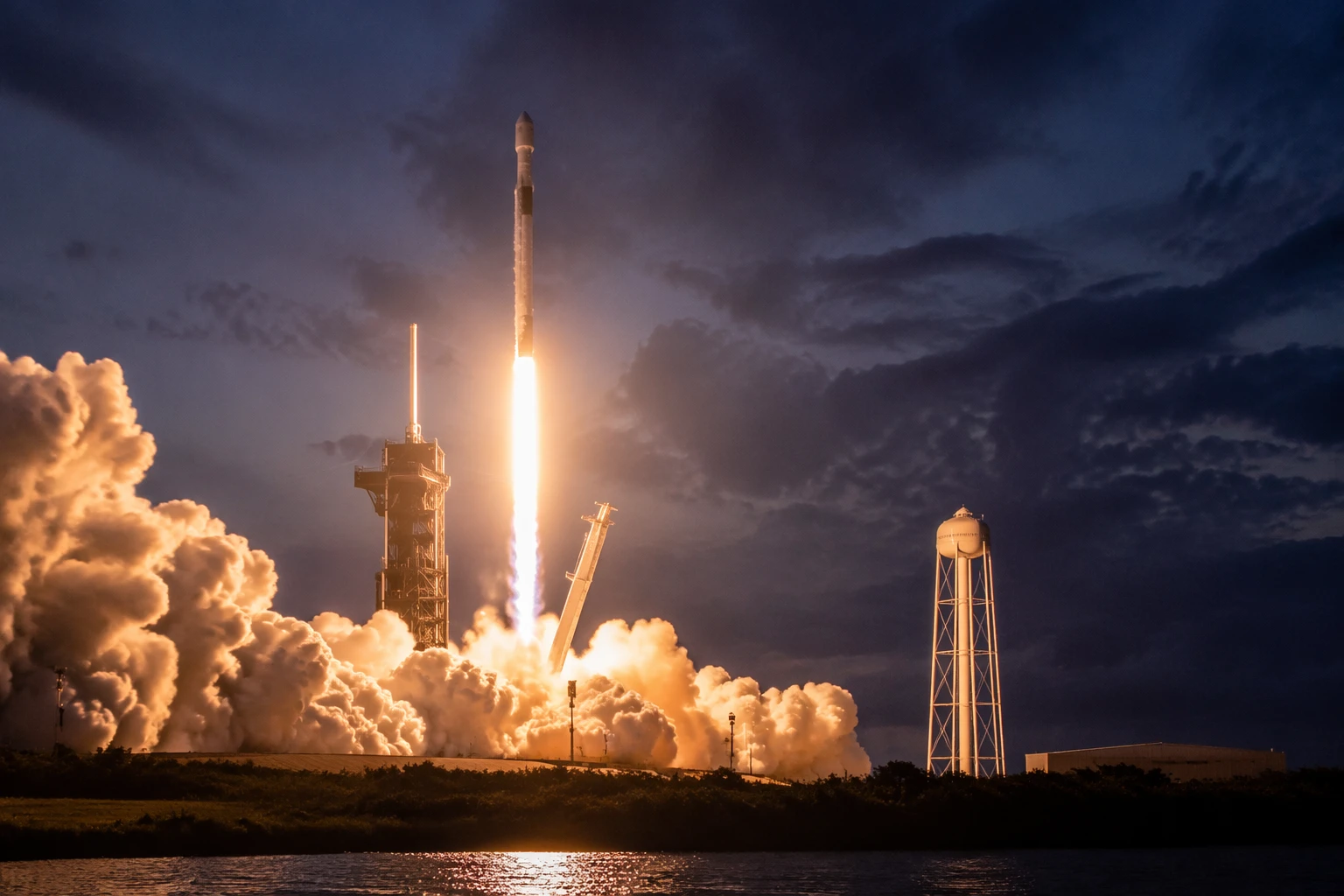
The 18 launches will support satellites used for communications, sensing and targeting, the kind of spacecraft that feed battlefield awareness and communications resilience. In practical terms, the order adds more lift for the military’s space-based sensing network at a time when the United States is pushing to harden those systems against rivals such as China and Russia. Faster launch access has become a military requirement, not just a procurement preference.
The deal also shows how difficult it remains for the Pentagon to reduce its dependence on SpaceX. SpaceX still wins much of the highest-value national-security work because its Falcon 9 rockets launch often and at prices that remain hard for competitors to match. United Launch Alliance and Blue Origin remain in the field, but SpaceX’s cadence gives the company a pricing and schedule advantage that shapes the entire market.
Space Systems Command has tried to broaden that market. In March 2025, Rocket Lab and Stoke Space were on-ramped into Phase 3 Lane 1, part of a plan to add providers through annual competition and lower-risk missions. Still, the latest $1.6 billion award suggests the diversification push is moving more slowly than the government’s dependence on SpaceX.
That tension is visible in the broader Pentagon launch picture. In April 2025, SpaceX, United Launch Alliance and Blue Origin were selected for National Security Space Launch contracts in a package worth about $13.5 billion, evidence that the government wants multiple launch suppliers in play even as one provider keeps absorbing the biggest share of missions. The Department of the Air Force’s fiscal 2025 budget request was $217.5 billion, underscoring how central space modernization and launch spending have become inside the defense budget.
Sources
- [1]reuters.com
- [2]ssc.spaceforce.mil
- [3]spaceforce.mil