Business
Space Force raises national security launch contract ceiling to $17 billion
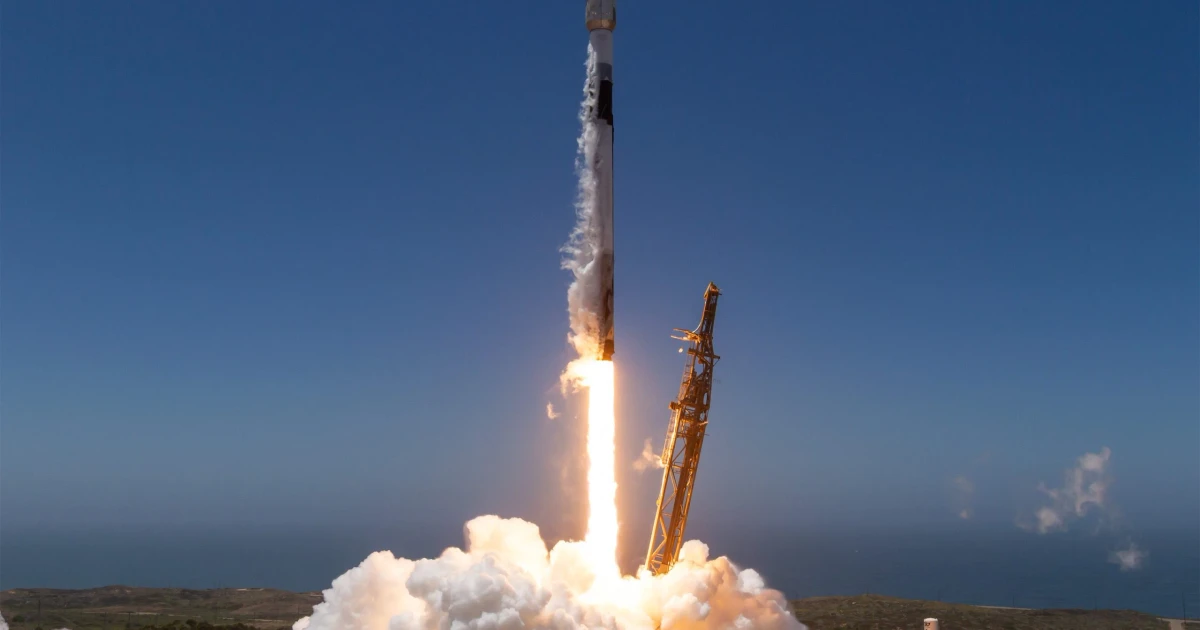
The U.S. Space Force has raised the ceiling on its National Security Space Launch Phase 3 Lane 1 contract from $5.6 billion to $17 billion, a sharp increase that gives the service room to buy many more launches as military demand for access to orbit keeps climbing. The move expands the budget headroom on a program built for commercial-like launch services and more risk-tolerant missions.
The larger cap reflects a backlog that is no longer limited to a handful of flights. National security launches carry missile warning satellites, communications systems, surveillance payloads and navigation support, and the Space Force has been working to make sure the launch market has enough capacity, resilience and competition to keep those missions moving. Another 25 high-energy missions were forecast for 2027 to 2029, a sign that the demand curve is stretching well beyond the original planning window.
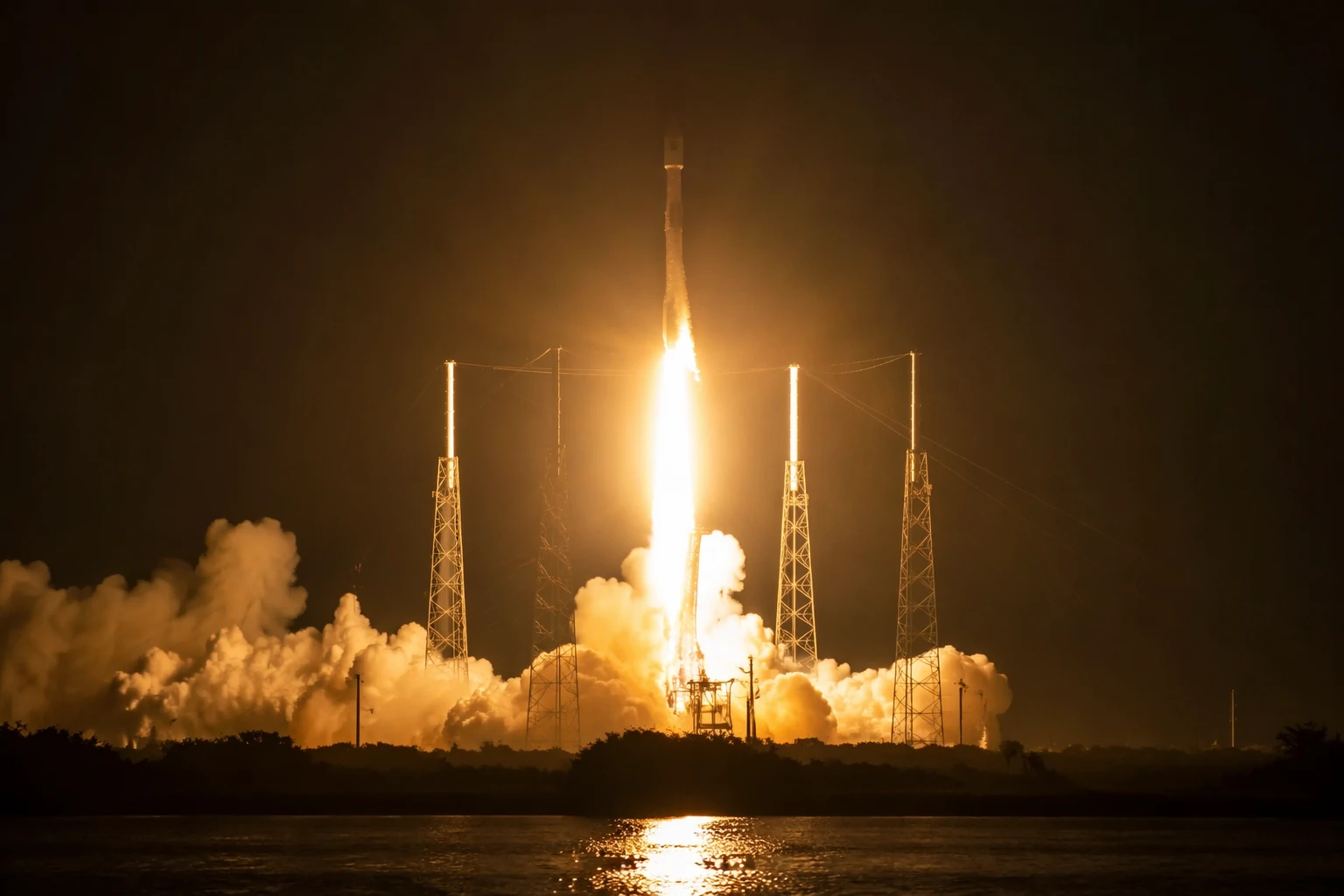
Phase 3 Lane 1 was previously framed as a competition among Blue Origin, SpaceX and United Launch Alliance for at least 30 national security missions. The service had already started turning that competition into awards: in January, it gave SpaceX nine national security space launch missions worth $739 million. By lifting the ceiling now, the Space Force is signaling that it wants the flexibility to keep buying missions without running into the old cap, even as launch orders accumulate.

The service is also still trying to widen the field. In July 2026, Space Systems Command awarded two contracts to on-ramp new providers to the National Security Space Launch Phase 3 Lane 1 program, a reminder that the Pentagon is not only buying more launches but also trying to deepen the pool of vendors that can compete for them. That matters because the service has been balancing cost, reliability and provider diversity against SpaceX’s dominant position in military launch.
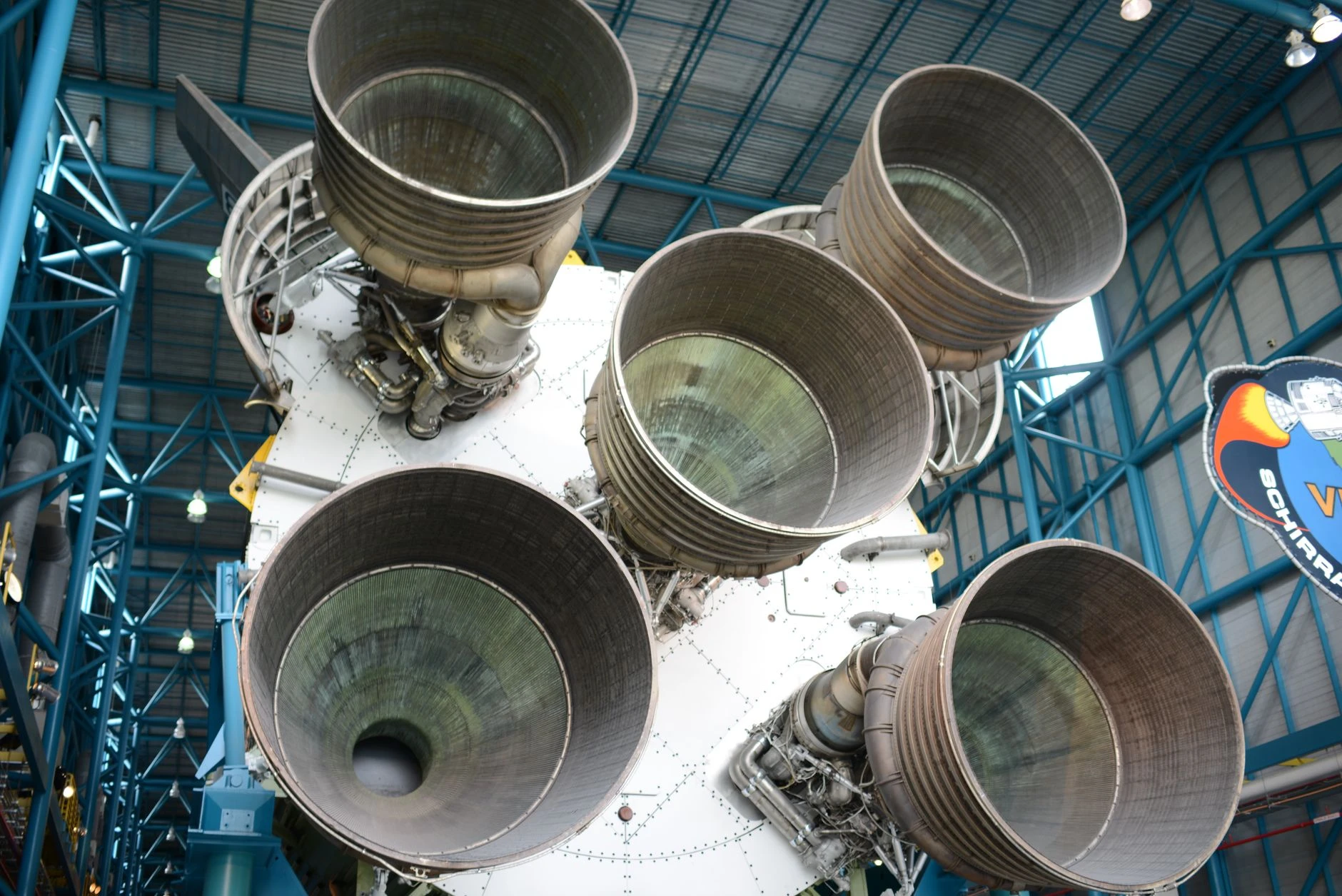

For launch companies, the higher ceiling is both an opportunity and a test. A bigger program suggests the Pentagon expects sustained demand rather than a short burst of buying, which can support investment in vehicles, infrastructure and workforce. It also means tougher execution standards: companies that want a larger share of the work will have to prove they can deliver on schedule, at competitive prices and with the reliability national-security missions require.