Business
SpaceX Aims for Record-Breaking IPO Valuation
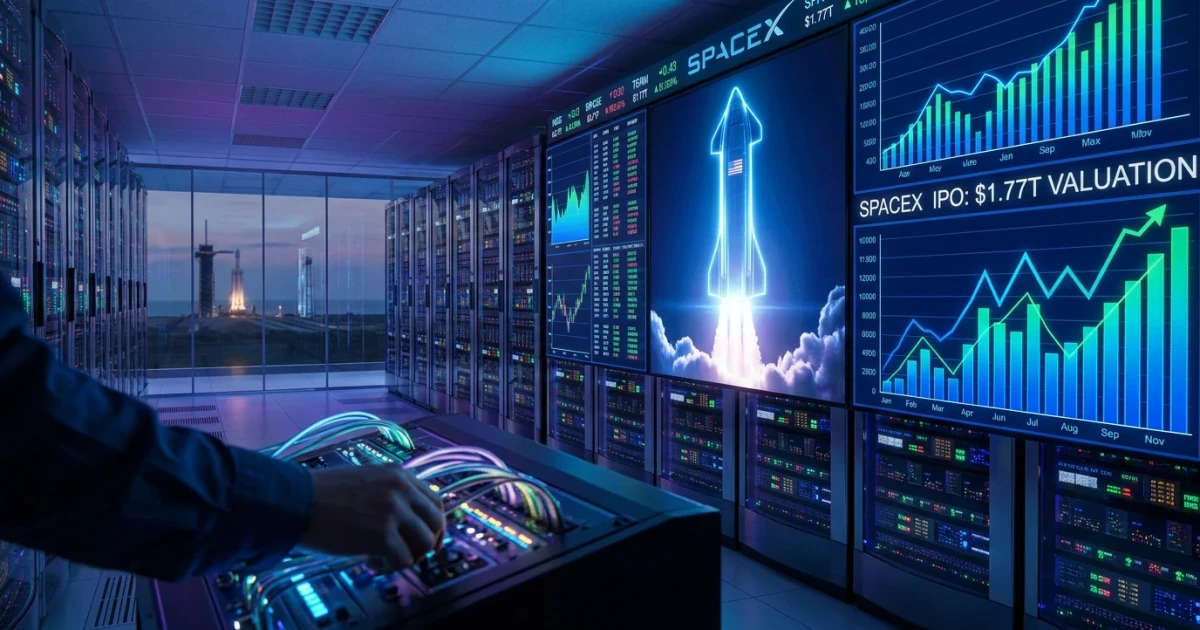
SpaceX is preparing to launch what may become the largest initial public offering (IPO) in history, with the company setting an IPO price of $135 per share and targeting a $1.77 trillion valuation. This bold move has drawn widespread attention from investors and the broader financial community, signaling a potential milestone for the private space industry.
Ambitious Valuation Sets New Benchmark
The New York Times reported that SpaceX’s proposed IPO price would deliver a valuation far surpassing any previous public offering. For context, this target outpaces the record set by Saudi Aramco, which debuted in 2019 at a valuation of $1.7 trillion. SpaceX’s anticipated market capitalization reflects investor confidence in its innovative launch vehicles, expanding satellite businesses, and leadership in commercial spaceflight.
- $135 per share IPO price set by SpaceX
- $1.77 trillion target valuation, potentially the world’s largest IPO
- Surpasses prior IPO records and sets a new standard for private-to-public transitions
Comparing Industry Valuations
SpaceX’s valuation leap also marks a dramatic increase from earlier estimates. Recent analyses from market research firms and financial data providers had valued SpaceX in the range of $100 billion to $180 billion over the past two years. The jump to $1.77 trillion illustrates the immense expectations placed on SpaceX’s future growth, including its Starlink satellite internet business, ongoing government contracts, and ambitions for Mars exploration.
According to CB Insights, SpaceX’s previous funding rounds had already made it one of the world’s most valuable private companies. The planned IPO would not only solidify its market dominance but could also reshape the landscape for space and technology investments globally.
What’s Driving Investor Interest?
Several factors contribute to the enthusiastic response from investors:
- Leadership in Reusable Rockets: SpaceX’s advances in reusable booster technology have dramatically reduced launch costs, making frequent and reliable missions possible.
- Starlink Expansion: The company’s satellite internet initiative, Starlink, is already operational in dozens of countries and aims for global coverage. This business alone is projected to generate billions in annual revenue.
- Deep Government Ties: SpaceX continues to win contracts from NASA, the U.S. Department of Defense, and international partners, ensuring a steady pipeline of high-value projects.
- Visionary Leadership: CEO Elon Musk’s ambitious goals for Mars colonization and rapid innovation keep SpaceX in the global spotlight, fueling speculation and optimism about its long-term potential.
Potential Risks and Market Skepticism
Despite record-setting ambitions, the IPO is not without risks. Some analysts caution that the $1.77 trillion valuation is dependent on the successful scaling of both established and emerging businesses. Any setbacks in Starlink deployment, launch failures, or regulatory hurdles could impact investor confidence.
Additionally, the broader equity market’s appetite for high-growth technology stocks will play a role in the IPO’s performance. The scale of the offering could also test capital markets, as no other space or technology company has approached this valuation at debut.
Looking Ahead
As SpaceX moves toward its anticipated public listing, the financial world will be watching closely. Should the company achieve its targeted $1.77 trillion valuation, it would not only set a new benchmark for IPOs but also mark a watershed moment for the commercialization of space. Investors, industry peers, and policymakers alike will be gauging the ripple effects of this historic offering on the future of space exploration and private enterprise.