Business
SpaceX aims to launch space AI demos by late 2027
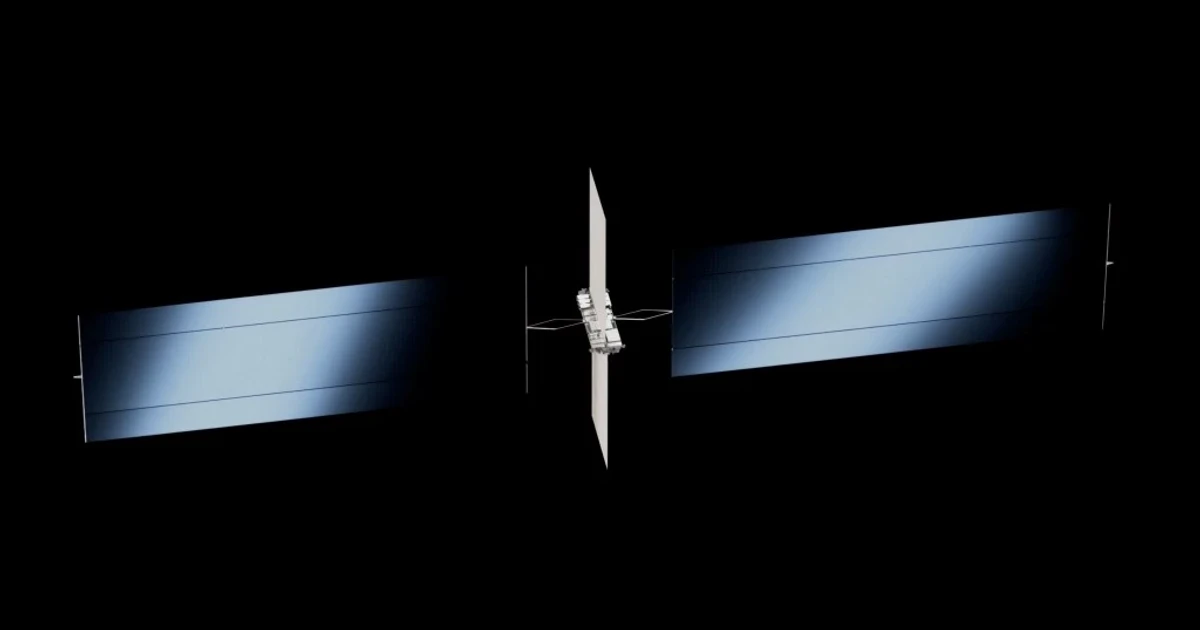
SpaceX is asking investors to look past rockets and toward orbiting computers. In two pre-IPO presentations, executives said the company is aiming to launch initial demonstrations of space-based artificial intelligence computing infrastructure by late 2027, a timetable that pulls forward the “as early as 2028” window disclosed in its filing and sharpens the debate over what the public market would really be buying.
The pitch matters because the valuation story is no longer just about launch cadence or satellite broadband. Much of the upside now appears tied to SpaceX’s orbital data center ambitions, a business that could be far larger in theory than the company’s proven launch operations but is also far less tested. Some estimates have already put SpaceX’s private-market value at roughly $350 billion in 2024, underscoring how much optimism is embedded in the company’s next phase.
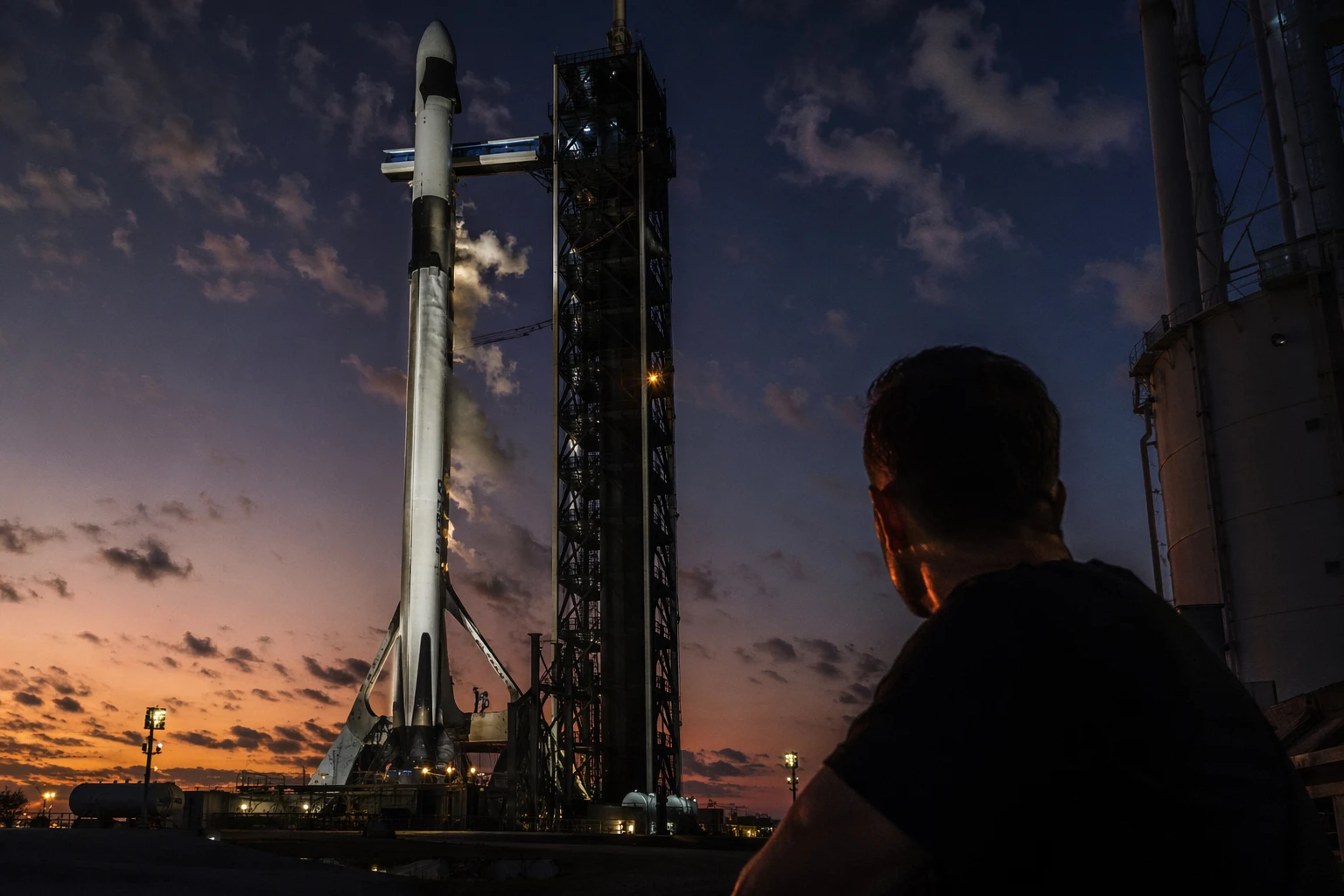
That optimism is centered on the SpaceX Orbital Data Center System, for which SpaceX filed with the Federal Communications Commission on January 30, 2026. The FCC accepted the application for filing in DA-26-113 on February 4, 2026. The filing contemplates a system of up to one million satellites operating between 500 kilometers and 2,000 kilometers in altitude, linked by optical inter-satellite connections and designed to work with SpaceX’s first- and second-generation Starlink systems.
The scale has drawn scrutiny from regulators and space-policy groups. The Secure World Foundation says the Commission should treat the proposal as precedent-setting and non-routine, and has called for stronger system-level review, phased authorization and clearer risk standards. Other commenters have warned about orbital congestion and the debris risk that comes with adding another massive layer of infrastructure to already crowded low Earth orbit.
Elon Musk has also offered a more detailed look at the AI1 satellite concept, which has been described as roughly 20 meters tall with a deployed wingspan of about 70 meters and average compute power around 120 kilowatts. That hardware picture suggests SpaceX is not merely marketing a concept; it is sketching a manufacturing and deployment roadmap that would require capital, regulatory clearance and a market willing to finance years of development before meaningful revenue arrives.
CNBC reported that SpaceX has filed for an IPO and plans to list on Nasdaq under the ticker SPCX, putting the company’s launch business, Starlink operations and orbital AI bets into the same public-market package. For investors, the real question is not whether SpaceX can keep launching. It is how much of the IPO price will rest on a working business today, and how much on moonshots that may not pay off until the end of the decade, or later.
Sources
- [1]techcrunch.com
- [2]msn.com
- [3]docs.fcc.gov
- [4]swfound.org
- [5]finance.yahoo.com
- [6]cnbc.com