Science
SpaceX CRS-34 Delivers Science and Supplies to ISS
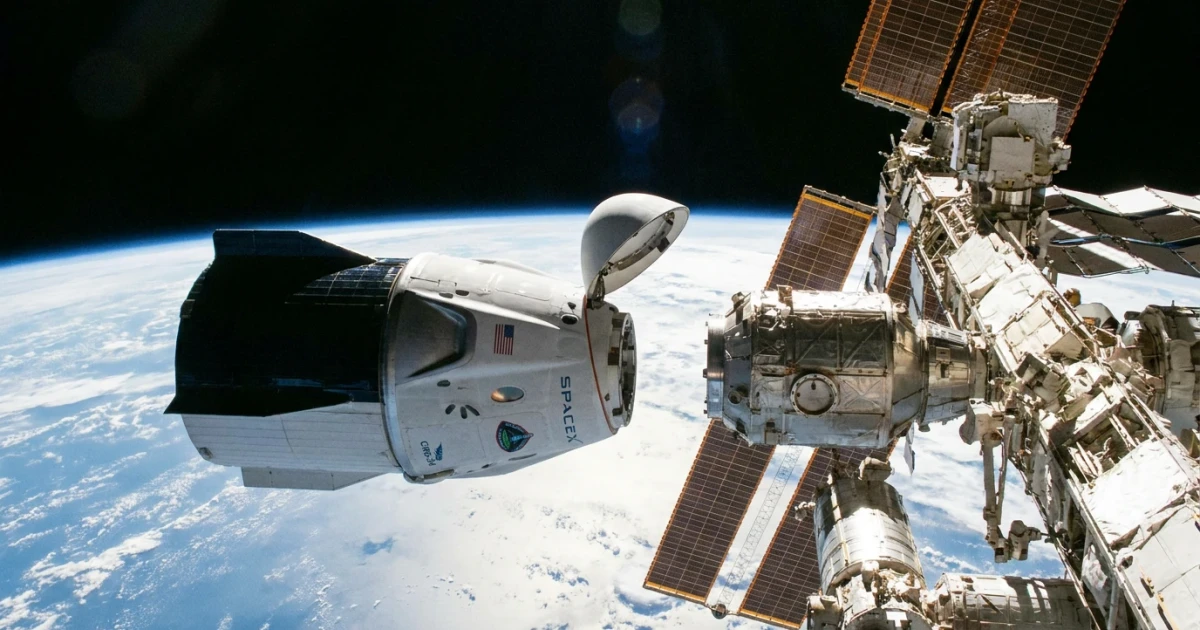
NASA's SpaceX CRS-34 mission successfully launched from Kennedy Space Center, delivering a diverse cargo of science experiments, essential supplies, and technology demonstrations to the International Space Station (ISS). This marks the 34th resupply mission by SpaceX under NASA's Commercial Resupply Services (CRS) program, further strengthening the partnership between public and private sectors in space exploration.
Mission Overview and Launch Details
The CRS-34 mission saw the SpaceX Dragon spacecraft lift off carrying over two tons of cargo destined for the ISS. This shipment included both scientific payloads and daily necessities for the station's crew, highlighting the critical role of regular resupply missions in sustaining long-term orbital operations. The Dragon is scheduled to spend several weeks attached to the station, enabling astronauts to unload supplies and initiate new experiments.
- Over two tons of cargo delivered, supporting station operations and research.
- Launch took place at Kennedy Space Center, marking another milestone in SpaceX's CRS track record.
- Dragon will remain docked for several weeks, facilitating both crew needs and ongoing scientific investigations.
Scientific Investigations and Research Payloads
At the heart of the CRS-34 mission is a suite of new science experiments aimed at advancing knowledge in biology, materials science, and technology development in microgravity. The cargo manifest features investigations designed to leverage the unique environment of the ISS, allowing researchers to obtain results impossible on Earth.
- Biological studies focusing on cell growth and adaptation in microgravity.
- Materials science experiments exploring advanced manufacturing and durability in space.
- Technology demonstrations to test new tools and systems for future missions.
For a deeper look at the experiments delivered and their objectives, readers can explore the research highlights from CRS-34.
Commercial Resupply Services and Ongoing Collaboration
The CRS program, which began in 2012, has become a cornerstone of ISS logistics. SpaceX's continued success in delivering supplies and science payloads is documented in official mission records, showcasing the reliability and frequency of launches supporting station operations. The CRS-34 flight underscores the value of public-private partnerships in advancing space research and ensuring the sustainability of crewed missions in orbit.
According to NASA, each CRS mission brings critical resources and innovative research projects to the ISS, enabling scientists around the world to benefit from microgravity studies. The Dragon's ability to deliver cargo and return experiments safely to Earth remains a unique advantage for ongoing science activities.
Looking Ahead: Science in 2024 and Beyond
The CRS-34 mission is part of a broader plan for station science in 2024, with dozens of new investigations scheduled throughout the year. These missions support NASA's goals for human health, technology advancement, and future exploration beyond low Earth orbit. As the ISS continues to serve as a proving ground for research and innovation, the steady cadence of resupply missions like CRS-34 ensures that scientists and astronauts can push the boundaries of what’s possible in space.
In summary, SpaceX CRS-34 represents another successful chapter in the ongoing effort to supply the ISS and foster groundbreaking science in microgravity. As NASA and its partners prepare for future missions, the lessons and discoveries from CRS-34 will inform both near-term research and long-term ambitions for deep space exploration.