Business
SpaceX enters bond market after blockbuster IPO, eyes AI expansion
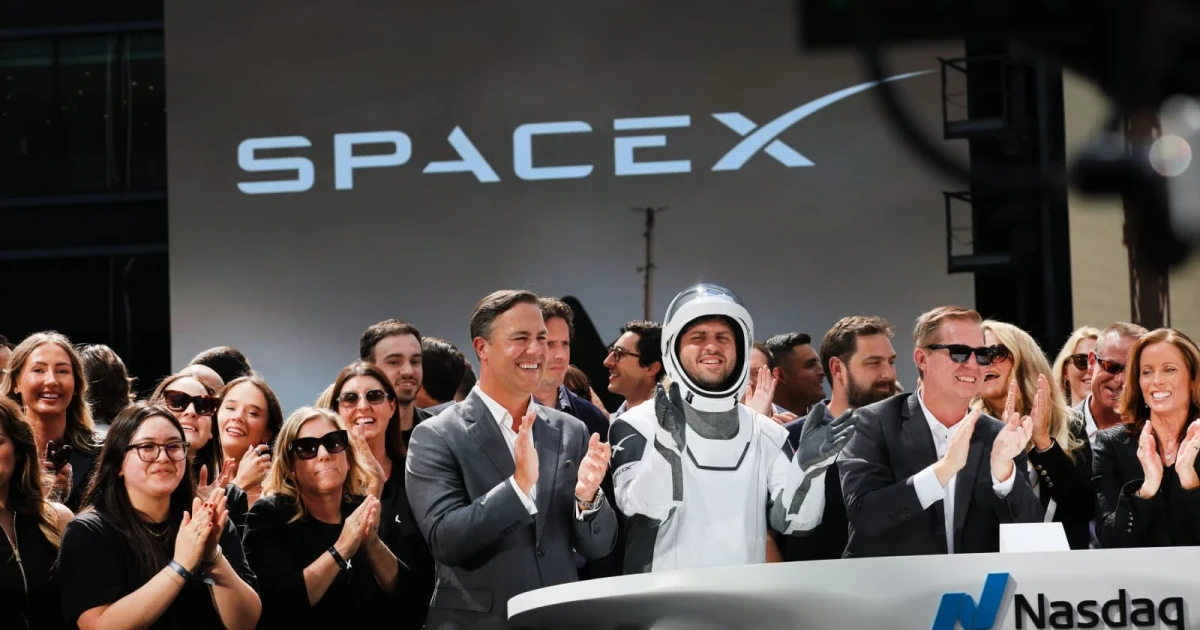
SpaceX is testing how a company with one of the largest cash piles in corporate America finances the next phase of its expansion. Just days after its blockbuster Nasdaq debut, Elon Musk’s rocket and satellite company launched its first-ever senior unsecured notes offering and disclosed about $100.8 billion in cash and cash equivalents as of June 19.
The timing sharpened the question facing investors: why borrow at all after raising about $85.7 billion in its initial public offering? SpaceX closed that IPO on June 15 after the underwriters fully exercised their overallotment option, selling 638,888,888 Class A shares. By moving quickly to the debt market, SpaceX is replacing short-term bridge financing with longer-dated obligations, a move that preserves flexibility while giving the company more room to fund capital-intensive plans.
SpaceX said the notes will be unsecured obligations ranking equally with its other unsubordinated debt. Proceeds will repay borrowings under its bridge loan facility in full, cover fees and expenses, and support general corporate purposes. Market commentary suggested the sale could ultimately reach at least $20 billion, with maturities ranging from five to 30 years, although SpaceX has not confirmed size or pricing.
The financing also says something about the company’s posture after going public. Debt lets SpaceX expand without issuing more shares, a crucial advantage for Musk, who controls 82% of the voting power through SpaceX’s dual-class structure. Adam Sarhan of 50 Park Investments said the choice of bonds over new equity preserves economic ownership and avoids dilution, a reminder that even after an IPO, capital structure decisions remain central to control.
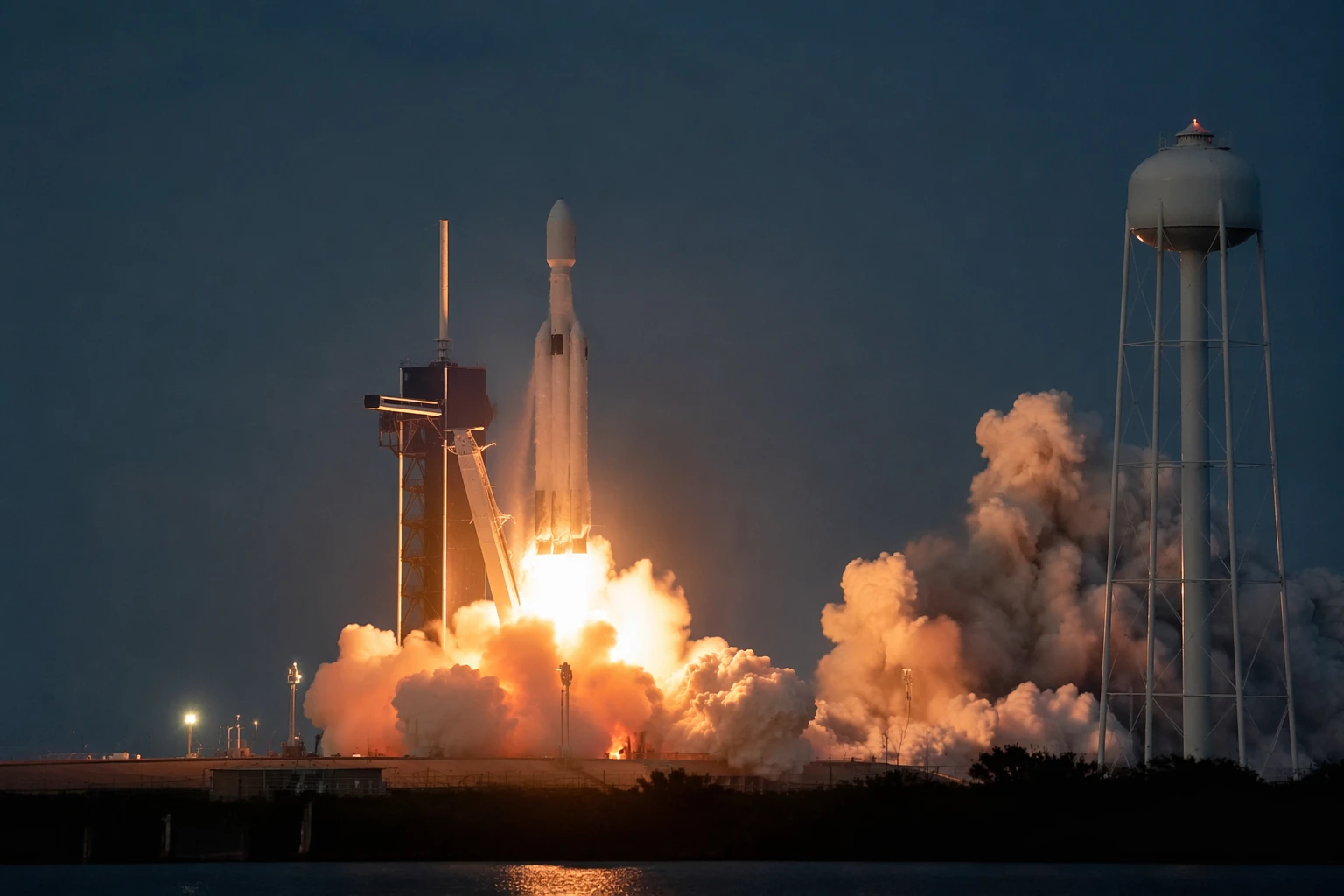
SpaceX’s spending plans are broad and expensive. The company has been investing heavily in AI infrastructure, Starship development and the integration of xAI, even as Starlink continues to drive growth. Reuters-linked reporting said 2025 revenue rose 33% to $18.67 billion, yet separate filing-based reporting put the company’s net loss at about $4.9 billion, underscoring how much money is still being poured back into expansion.
That AI push has already become concrete. CNBC reported a compute deal with Reflection AI that could be worth up to $6.3 billion, with Reflection paying $150 million a month from July 1 through 2029 for access to Nvidia GB300 chips at SpaceX’s Colossus 2 data center near Memphis, Tennessee. Taken together, the IPO, the cash balance and the bond sale suggest SpaceX is no longer behaving like a pure moonshot. It is starting to look like a capital-hungry industrial giant with long-term obligations to match.
Sources
- [1]msn.com
- [2]ir.spacex.com
- [3]cnbc.com
- [4]money.usnews.com