Science
SpaceX Falcon 9 Steps In After ULA Vulcan Glitch Delays Military Launch
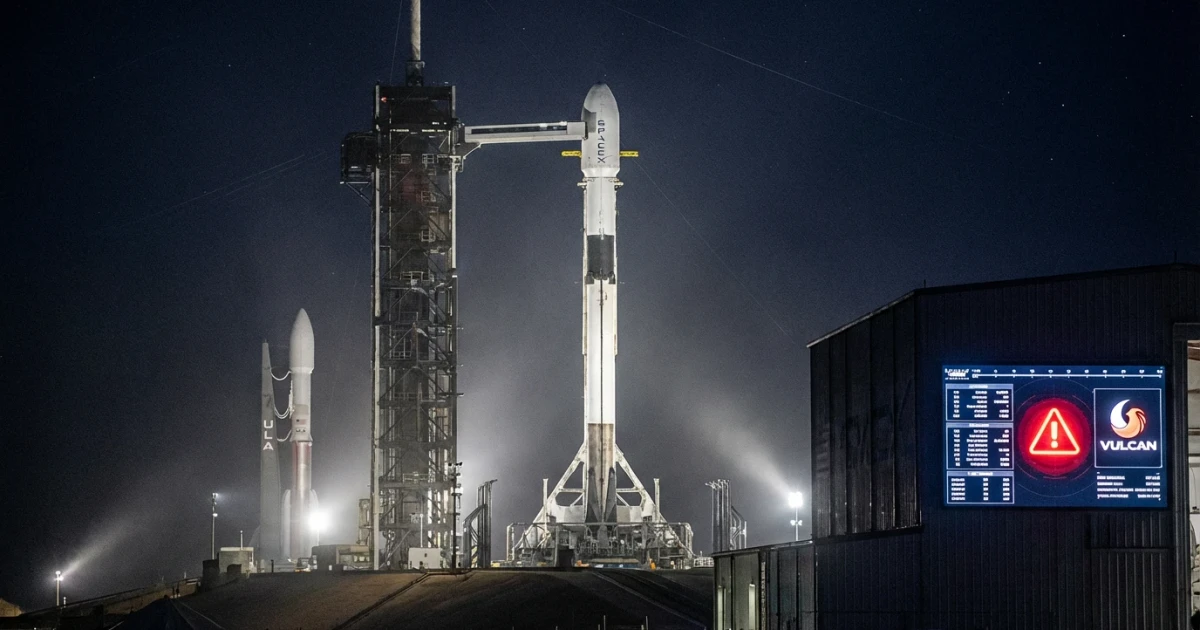
United Launch Alliance (ULA) faced another setback this week as the US Space Force was compelled to transfer an important military satellite launch from ULA’s new Vulcan rocket to SpaceX’s Falcon 9. The decision comes after a technical glitch grounded Vulcan, underscoring persistent reliability issues with the vehicle.
US Space Force Alters Launch Plans
The mission in question involves the deployment of a next-generation GPS satellite, crucial for both military operations and civilian navigation. Originally scheduled to ride ULA’s much-anticipated Vulcan rocket, the payload will now launch aboard SpaceX’s Falcon 9, according to reporting from Ars Technica. This marks the latest instance where ULA's delays have forced the Department of Defense to seek alternatives to meet mission timelines.
Vulcan Rocket Faces Technical Challenges
The Vulcan rocket, designed to replace ULA’s Atlas V and Delta IV fleets, has been beset by delays and technical issues since development began. The most recent glitch, details of which remain undisclosed, was significant enough to prompt military officials to make a last-minute launch provider switch. Analyses of Vulcan’s technical specifications and previous test flights show a pattern of schedule slips and reliability challenges.
- ULA’s Vulcan was intended to be the primary launch vehicle for national security missions.
- Development delays and test anomalies have persisted since 2022.
- The latest incident mirrors previous cases where last-minute switch-overs were required to maintain critical mission timelines.
SpaceX’s Falcon 9: A Reliable Alternative
SpaceX’s Falcon 9, by contrast, has demonstrated a high degree of reliability, with a string of successful launches supporting both commercial and government customers. According to SpaceX’s technical overview and launch data, Falcon 9 has achieved over 100 consecutive successful missions in recent years, earning a strong reputation with the Department of Defense.
This rapid substitution underscores the growing reliance on SpaceX when ULA’s vehicles cannot deliver. As noted by Ars Technica, the US military’s trust in Falcon 9 is based not just on technical performance but also on the company’s ability to accommodate urgent mission changes.
Broader Implications for US Launch Providers
The recurring issues with Vulcan have broader implications for the US launch industry, especially as competition heats up for lucrative military contracts. A Government Accountability Office report found that delays in launch vehicle development can put military readiness at risk and drive up costs, prompting the Department of Defense to maintain multiple contracted providers as a hedge against such technical risks.
The switch to Falcon 9 for this GPS mission is the latest in a series of adaptations by the Space Force to cope with ongoing launch uncertainties. While Vulcan’s eventual success remains important for US launch independence, repeated delays have shifted near-term confidence toward providers with proven track records.
Looking Ahead
ULA’s ability to recover from Vulcan’s setbacks will be closely watched by military and commercial customers alike. In the meantime, SpaceX’s Falcon 9 continues to fill the gap, keeping key missions on schedule and maintaining US leadership in space launch capability. For the Space Force, adaptability remains critical as they await Vulcan’s return to reliable service.