Science
SpaceX Falcon Heavy Returns After 18-Month Hiatus
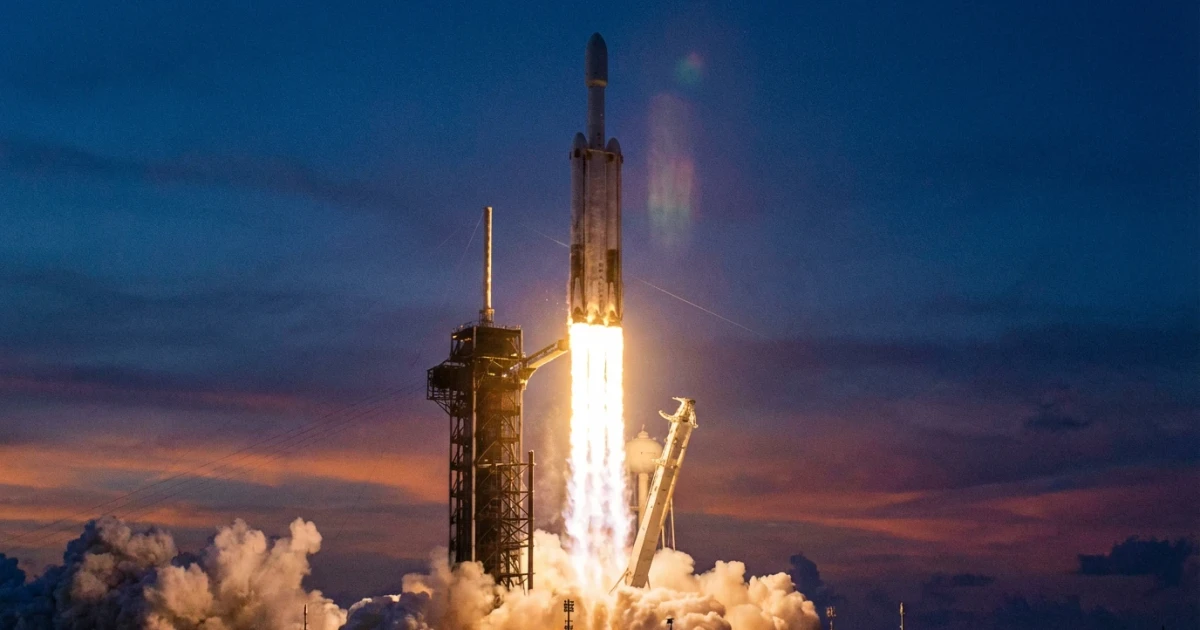
SpaceX is preparing for a highly anticipated launch as its powerful Falcon Heavy rocket returns to flight after an extended 18-month break. The mission, scheduled for April 27, will carry the Viasat-3 F3 payload and marks a crucial moment for both commercial and scientific space endeavors.
Falcon Heavy: A Powerful Player in Space Launches
The Falcon Heavy stands out as one of the most capable commercial launch vehicles currently in operation, boasting immense thrust and significant payload capacity. According to SpaceX, Falcon Heavy can deliver up to 63,800 kg to low Earth orbit, making it a preferred choice for missions requiring high performance and flexibility. Its return after 18 months signifies renewed momentum in the industry, as highlighted by recent data from Spaceflight Now's launch schedule.
- First Falcon Heavy launch since late 2024
- Capable of carrying large payloads for commercial and government clients
- One of the most powerful rockets available, with a thrust of over 5 million pounds
Mission Details: Viasat-3 F3 and Broader Impact
The April 27 launch will deliver the Viasat-3 F3 satellite into orbit, a mission critical for expanding global broadband coverage. NASA records confirm that Viasat-3 is designed to significantly enhance communications infrastructure, providing improved network access across underserved regions. This mission underscores SpaceX’s role in enabling advanced connectivity and supporting commercial satellite operators.
- Viasat-3 F3 is the third in a series of high-capacity satellites
- The payload will help boost internet coverage and data transmission globally
- Launch from Florida’s Kennedy Space Center, a hub for commercial and government space activity (NASA Kennedy Space Center Falcon Heavy launches)
Why This Launch Matters
Falcon Heavy’s return is more than a technical milestone; it reflects broader trends in the space sector. Analysts note that the rocket’s reliability and heavy-lift capabilities are crucial for missions ranging from scientific research to commercial telecommunications. According to a recent research analysis, Falcon Heavy’s performance puts it among the top contenders for future deep space and lunar missions, offering cost-effective options for large payloads.
For many observers, the 18-month gap between launches signals the shifting landscape of space launches, where demand, scheduling, and technical upgrades drive the pace and timing of missions. The upcoming launch is also part of a series of back-to-back missions from Florida, highlighting the region’s growing activity and importance within the industry.
Looking Ahead
With the successful deployment of Viasat-3 F3, SpaceX is expected to continue ramping up Falcon Heavy launches. The mission will not only expand satellite coverage but also reinforce the rocket’s track record for reliability and performance. As more satellite data and tracking information become available, industry watchers anticipate further advancements in both launch technology and global connectivity.
SpaceX’s April 27 launch marks a notable return for Falcon Heavy, reaffirming its role in shaping the future of commercial and scientific space operations, and setting the stage for even more ambitious missions ahead.