Business
SpaceX goes public at record valuation, Musk keeps control
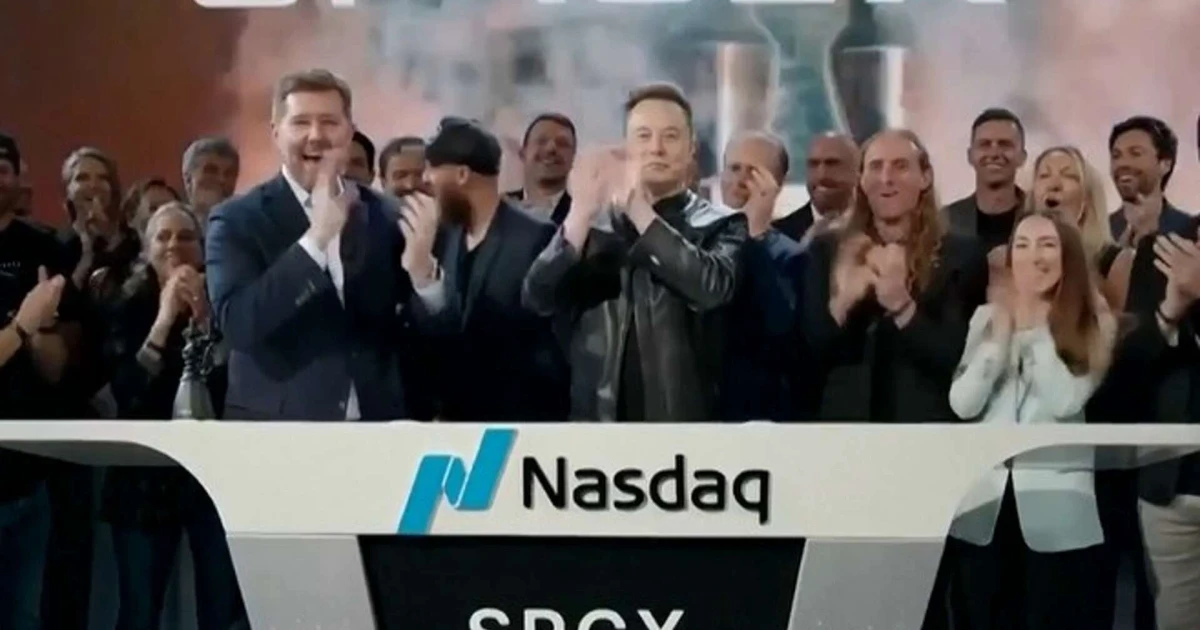
SpaceX has priced its blockbuster initial public offering at $135 a share, setting up a market debut that would raise about $75 billion and value the company at roughly $1.75 trillion. That would make it the largest IPO in history, but the bigger story is governance: Elon Musk is taking public money while preserving near-total control of the company he founded.
SpaceX said it would sell more than 555 million shares and trade on Nasdaq under the ticker SPCX. Musk will remain chief executive officer, chief technical officer and chairman of SpaceX’s nine-member board, giving him control over strategy, engineering and the boardroom at the same time. The structure leaves public investors with a far smaller voice than they would have in a conventional listing.
The filing relies on a dual-class system that sharply tilts voting power toward insiders. Class B shares carry 10 votes each, while the Class A shares sold to the public carry just one vote each. The prospectus also includes arbitration provisions and other restrictions that limit shareholder litigation rights, making it harder for investors to challenge management decisions if the company misses targets or stumbles after the offering.
That control premium comes as SpaceX is selling a growth story built around Starlink, which the latest disclosed financials identify as the company’s main profit engine. At the same time, the company has been absorbing heavy losses tied to its broader AI ambitions and other transactions, underscoring the gap between its profitable satellite internet business and the riskier bets Musk is still financing inside the empire.
The offer has also drawn political and regulatory scrutiny. Senator Elizabeth Warren urged the SEC to delay the IPO, citing concerns about valuation accounting and investor protections. Even so, investor demand was reported to be extremely strong, a reminder that Wall Street is still willing to pay up for Musk’s brand, SpaceX’s launch business and Starlink’s cash flow.
For investors, the tradeoff is stark: access to one of the most valuable private companies ever built, but with unusually limited leverage over the man running it. SpaceX’s listing is not just a test of market appetite for aerospace and satellite growth. It is a test of how much power public investors are willing to surrender in exchange for a seat in Musk’s orbit.
Sources
- [1]nytimes.com
- [2]rte.ie
- [3]techcrunch.com
- [4]cbsnews.com
- [5]msn.com
- [6]ir-impact.com