Science
SpaceX Grounds Falcon 9 Fleet After Upper Stage Anomaly Disrupts Launch Schedule
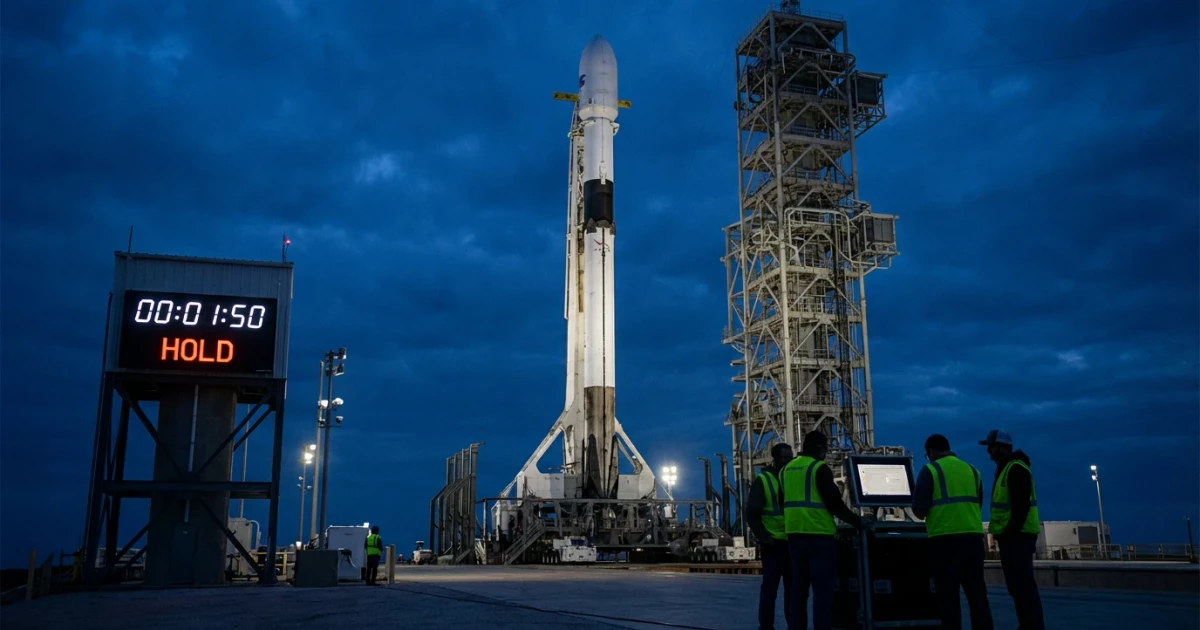
SpaceX has halted all Falcon 9 rocket flights after an upper stage anomaly was detected following a recent Starlink deployment. The decision, announced after the latest launch experienced irregularities with its second stage, marks a rare operational pause for the company and raises questions about the near-term schedule for commercial and government missions reliant on Falcon 9.
What Happened During the Starlink Launch?
The anomaly occurred shortly after the Falcon 9 rocket delivered its Starlink payload to orbit. According to reports, SpaceX identified an issue with the upper stage of the vehicle during post-launch analysis. While the Starlink satellites were successfully deployed, the anomaly prompted an immediate review of all Falcon 9 operations.
- The anomaly was detected during upper stage operations, following payload deployment.
- Starlink satellites reached their intended orbit, but the post-launch review flagged concerns.
- SpaceX responded by grounding its Falcon 9 fleet until the root cause can be determined and addressed.
Operational Impact: Delays and Industry Repercussions
This suspension affects not only SpaceX's internal schedule but also a range of commercial and government customers. Falcon 9 has become the world’s most frequently flown launch vehicle, supporting missions from satellite deployments to cargo resupply for the International Space Station. The grounding means:
- All upcoming Falcon 9 launches are on hold, pending the outcome of the investigation.
- Customers awaiting launches, such as telecommunications companies and NASA, face potential delays.
- The incident draws attention to the rigorous safety and reliability standards SpaceX maintains for its fleet.
SpaceX’s Track Record and Response
SpaceX's Falcon 9 has developed a reputation for reliability, with a high success rate over hundreds of launches. Anomalies are rare, and when they occur, the company typically grounds affected vehicles for investigation. This approach reflects a commitment to safety and mission assurance, even at the expense of short-term launch cadence.
Next Steps: Investigation and Path Forward
SpaceX is now conducting a thorough review to identify the cause of the upper stage anomaly. The company will not resume flights until the issue is fully understood and corrected, ensuring the safety of future missions. Industry analysts note that while such pauses can impact schedules, they also reinforce the company’s dedication to reliability—a key factor in its widespread adoption by commercial and government customers.
Looking Ahead
The Falcon 9 fleet’s grounding underscores the complexities of spaceflight and the importance of rigorous oversight. While the duration of the suspension is uncertain, SpaceX’s methodical approach is likely to reassure stakeholders. The company’s rapid innovation, combined with its established safety protocols, suggests that Falcon 9 launches will resume once the root cause has been addressed, maintaining SpaceX’s leadership in the commercial launch sector.