Technology
SpaceX launches SiriusXM's most powerful satellite to refresh constellation
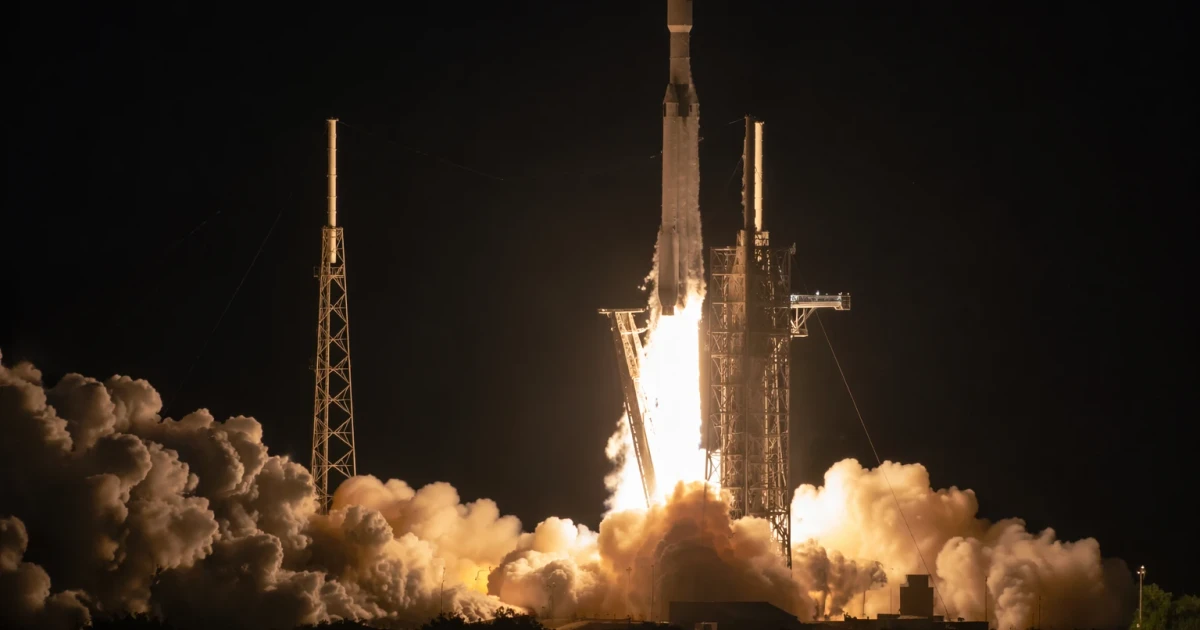
SpaceX launched SiriusXM’s SXM-11 satellite, a 15,000-pound spacecraft billed as the company’s most powerful high-powered satellite, to replenish a geostationary network that still carries audio and information services across the United States, Canada and the Caribbean. The mission marked another step in SiriusXM’s constellation refresh, replacing older satellites in orbit with newer hardware built for stronger reception and wider coverage.
The Falcon 9 lifted off from Space Launch Complex 40 at Cape Canaveral Space Force Station in Florida, with SpaceX targeting a four-hour window that opened at 10:25 p.m. ET and keeping a backup opportunity for Monday, June 29. SpaceX planned to begin its webcast about 15 minutes before liftoff. About 34 minutes after launch, SXM-11 was scheduled for deployment into geosynchronous transfer orbit.
The first stage booster on the mission was flying for a 17th time, underscoring how routine reuse has become in commercial launch operations. After separation, SpaceX set the booster down on the droneship A Shortfall of Gravitas in the Atlantic Ocean, part of a landing profile that has become standard for missions heading to high-energy transfer orbits.
SXM-11 was built by Lanteris Space Systems, formerly Maxar Space Systems, on the IM-1300 class platform and is the 12th high-powered digital audio radio satellite built for SiriusXM’s network. Intuitive Machines has said SXM-10 was the 11th such satellite for the service, placing SXM-11 directly in the next slot of that long-running build sequence. SiriusXM has said the satellite is intended to improve signal reception and expand coverage in Alaska, where geostationary reception can be more challenging than in the lower 48 states.
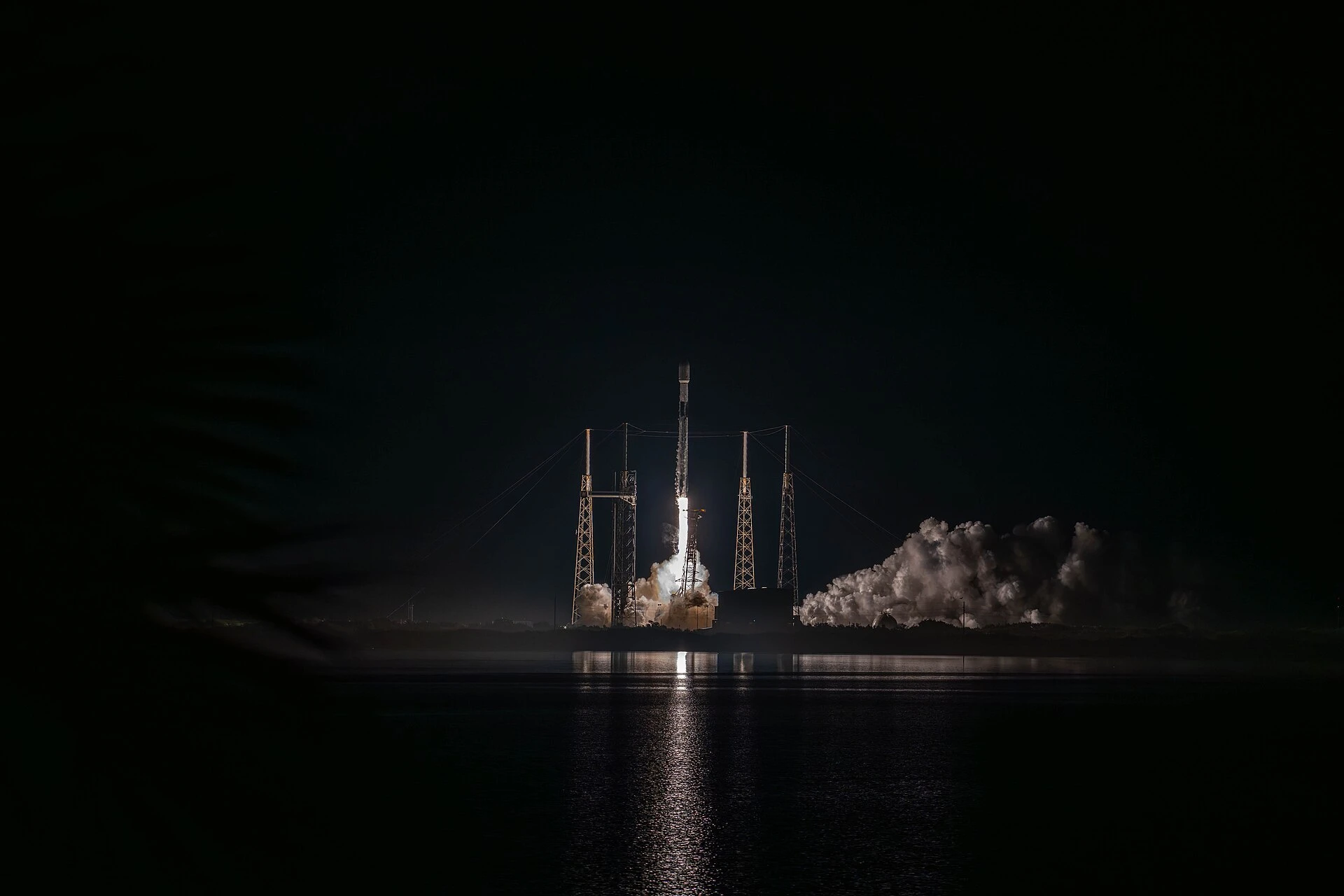
The launch also reflected the economics of satellite broadcasting in a streaming-heavy era. SiriusXM continues to invest in orbiting infrastructure because satellite radio remains useful in vehicles, on remote highways and in regions where terrestrial networks can be less reliable. For SpaceX, the mission showed how launch providers have become part of the maintenance system for everyday communications services, not just a transport option for experimental spacecraft.
Sources
- [1]news.google.com
- [2]spacex.com
- [3]spaceflightnow.com
- [4]intuitivemachines.com
- [5]floridatoday.com
- [6]usatoday.com