Business
SpaceX listing tests investor appetite for Elon Musk premium
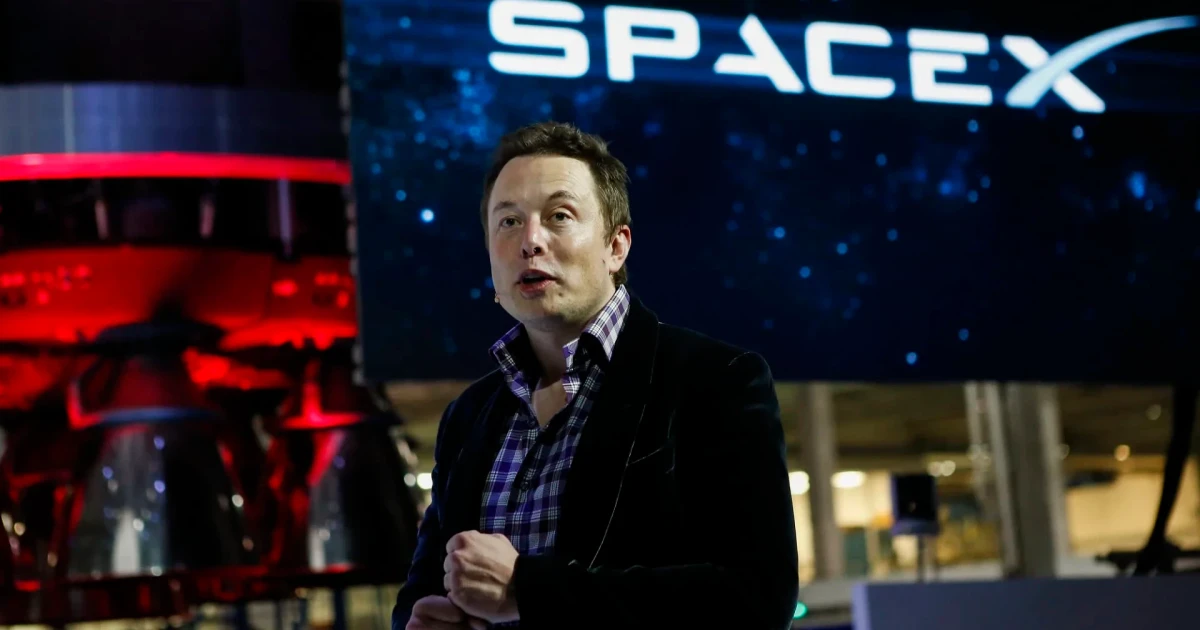
SpaceX’s planned market debut is shaping up as a referendum on whether investors are buying cash flow or charisma. The company is targeting a $1.77 trillion valuation for a Nasdaq listing under the ticker SPCX, a price that would make it one of the most valuable publicly traded companies in the United States and the clearest test yet of the Elon Musk premium.
The deal is built around a fixed price of $135 a share and could raise as much as $75 billion through the sale of about 555,555,555 new shares. It is structured as an all-primary offering, leaving Musk and other insiders with the vast majority of the float. The listing is expected around June 12, and the company has said retail investors will be able to buy shares through Charles Schwab, Fidelity, Robinhood, SoFi and E*TRADE, broadening the pool of potential buyers well beyond institutions.

The numbers behind the valuation show why some investors are uneasy. SpaceX reported $18.67 billion in revenue in 2025, up 33% from the prior year, but also posted a net loss of $4.94 billion. At the proposed price, the company would be valued at about 94.53 times sales, far richer than Tesla’s 16.73 times sales on 2025 revenue, according to LSEG data cited in the reporting. That gap is the heart of the debate: whether SpaceX deserves to trade like a category-defining growth engine or whether the market is already pricing in years of near-perfect execution.
Bullish investors argue that Musk has repeatedly turned ambitious ideas into dominant businesses, and some see room for a much larger business if SpaceX can keep scaling launch services, satellites and newer technologies. Morgan Stanley has projected SpaceX revenue could reach $3.4 trillion in 2040, a forecast that captures how far the most optimistic backers are leaning into the company’s long-term growth story. But the same enthusiasm also rests on unproven bets, including the company’s AI efforts such as orbital data centers.
The timing adds to the significance. Goldman Sachs is lead left on the deal, with Morgan Stanley, Bank of America, Citigroup and JPMorgan Chase also involved, and the Securities and Exchange Commission review moved faster than expected, helping accelerate the timetable. If the stock launches strongly, it would reinforce Musk’s ability to command extraordinary market enthusiasm. If it stumbles, it would signal that even the most famous brand in private markets has limits when the price becomes this stretched.
Sources
- [1]usnews.com
- [2]cnbc.com
- [3]finance.yahoo.com
- [4]reuters.com