Technology
SpaceX pushes Starship launch attempt to Thursday after earlier delay

SpaceX pushed its next Starship launch attempt to Thursday, July 23, after an earlier abort during engine ignition at Starbase, Texas. The shift keeps the company’s 13th test flight on a short reset cycle, but it also puts fresh attention on how quickly Starship can move from testing to routine operations.
The latest delay followed an automatic abort after some engines failed to ignite. Elon Musk said the launch would be tried again in a few days, and SpaceX quickly settled on a new target date rather than letting the attempt drift. That kind of rapid reset fits the company’s test-first culture, where setbacks are treated as data points rather than stop signs.
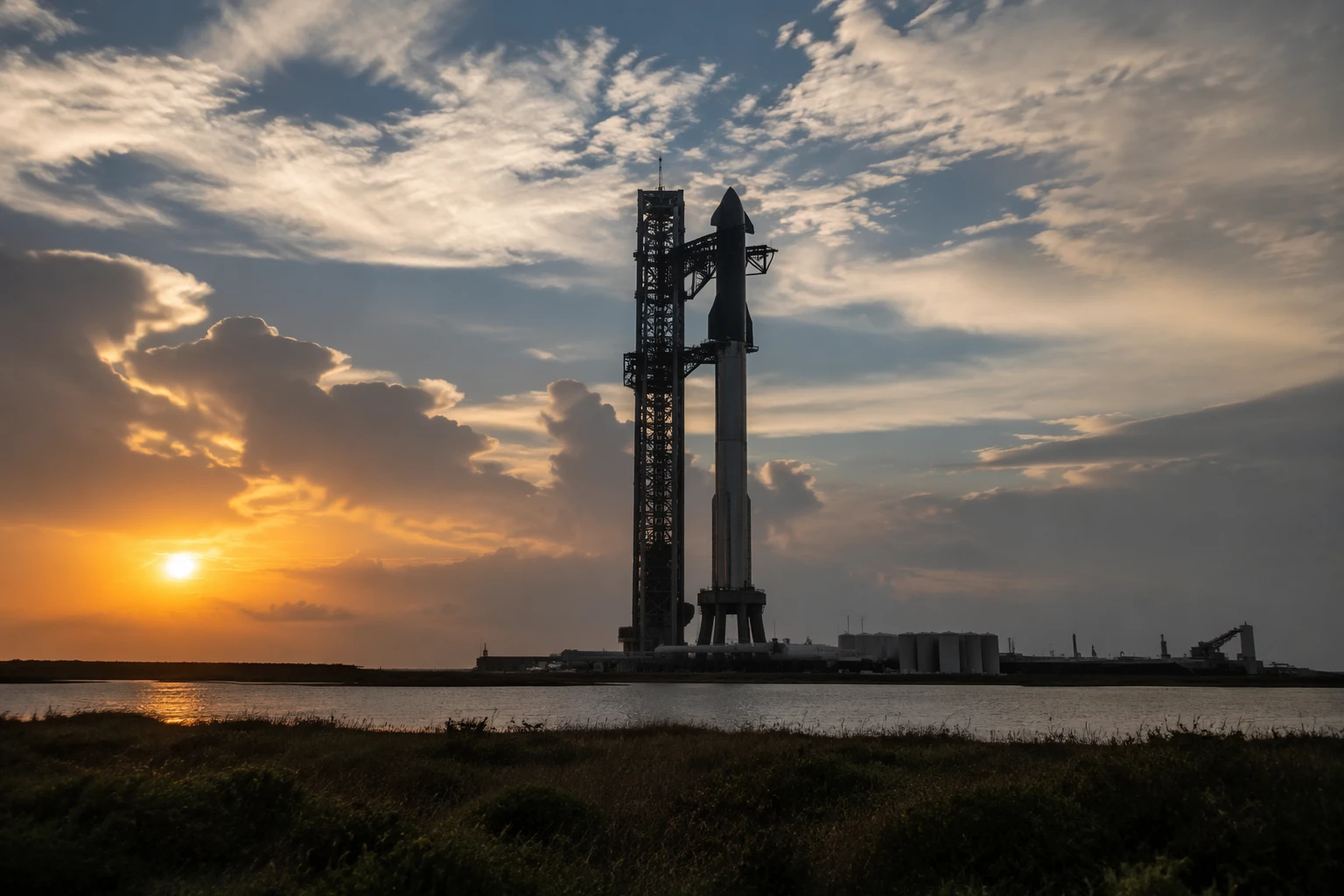
Starship is not a conventional launch vehicle. SpaceX describes it as the world’s largest and most powerful rocket, built around a fully reusable architecture that the company says could lower the cost of putting heavy payloads into orbit and beyond. It is also central to Musk’s long-term Mars plans and to NASA’s future lunar ambitions through the agency’s Human Landing System work, which depends on landers for Artemis missions.
That makes even a short slip meaningful. A one-day change to Thursday looks like normal noise for a program this technically demanding, especially after an engine-ignition abort. The earlier setback points more to launch-readiness issues than to a major policy blockage, since the FAA had already closed its review ahead of SpaceX’s next test flight. In other words, the regulatory gate had been cleared before the latest delay, leaving weather, hardware checks, range coordination and final systems reviews as the likelier variables.
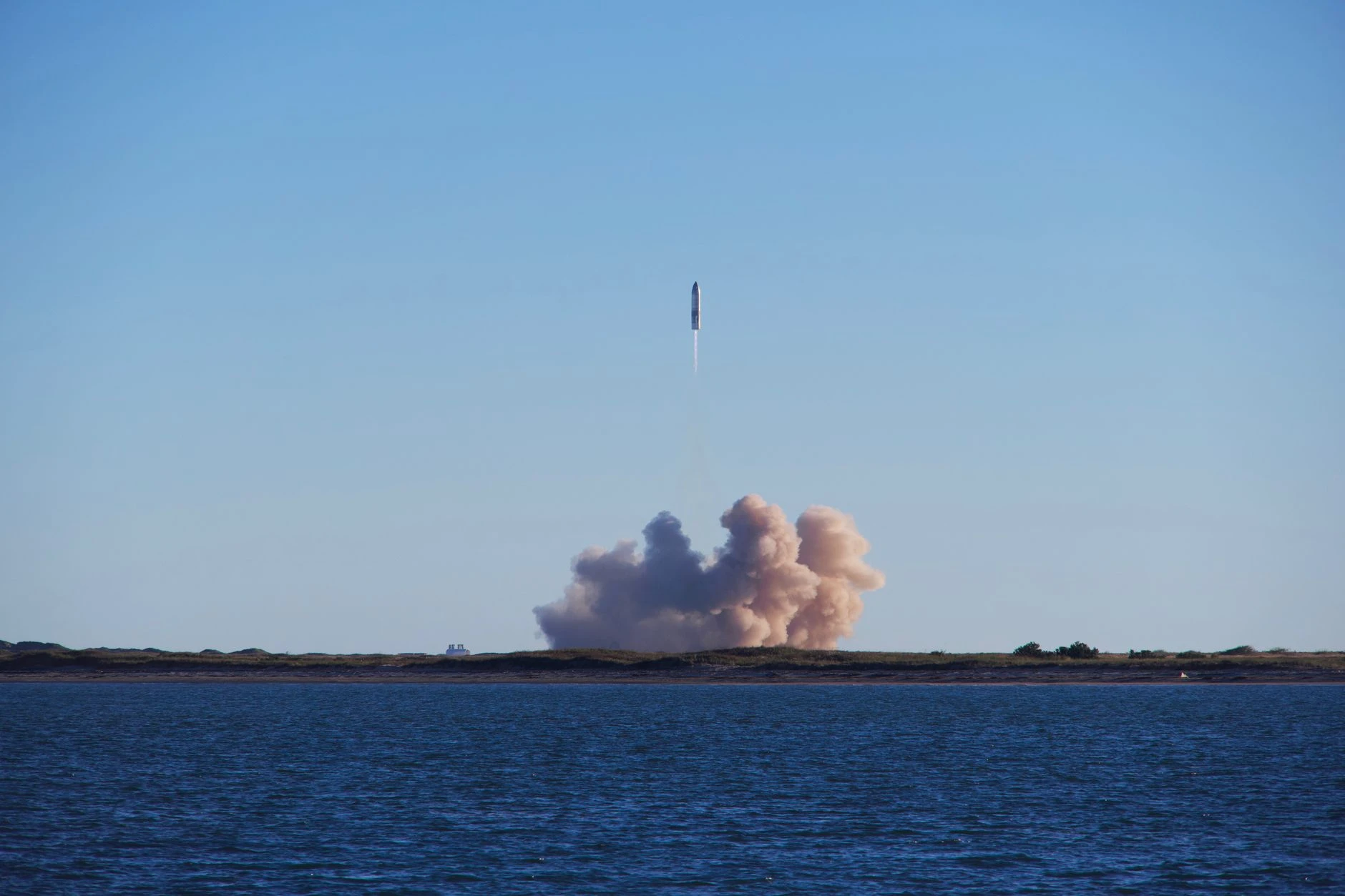
SpaceX’s cadence has become part of the story around Starship. The first integrated Starship orbital test flight launched on April 20, 2023, and the program has moved through a steady sequence of flights, revisions and increasingly ambitious objectives. Each attempt feeds the same long-term goal: proving that a giant fully reusable rocket can launch, land and fly again often enough to support commercial missions, lunar logistics and eventually deep-space travel.
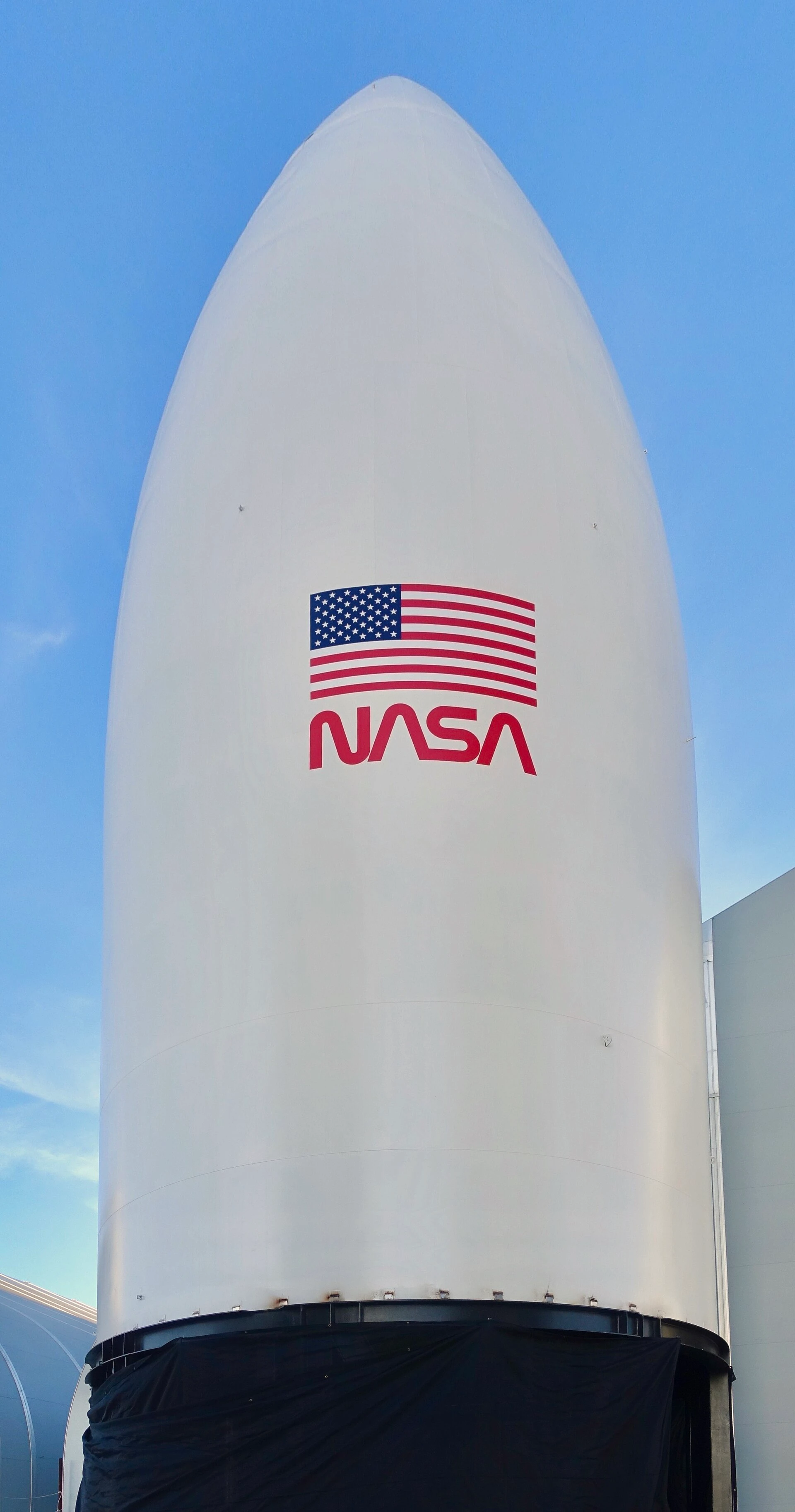
For NASA, that pace cuts both ways. SpaceX’s willingness to test aggressively is one reason it has become dominant in commercial launch, but Starship’s scale means every abort or delay also carries schedule pressure for Artemis planning. For regulators and commercial customers, the question is less whether a Thursday slip is unusual than whether ignition problems and launch-readiness resets remain isolated events or a sign that the system still needs more time before it can hold to a tighter cadence.
Sources
- [1]reuters.com
- [2]floridatoday.com
- [3]nasa.gov
- [4]spacex.com