Technology
SpaceX readies Starship Flight 13 after abort, Moon mission progress
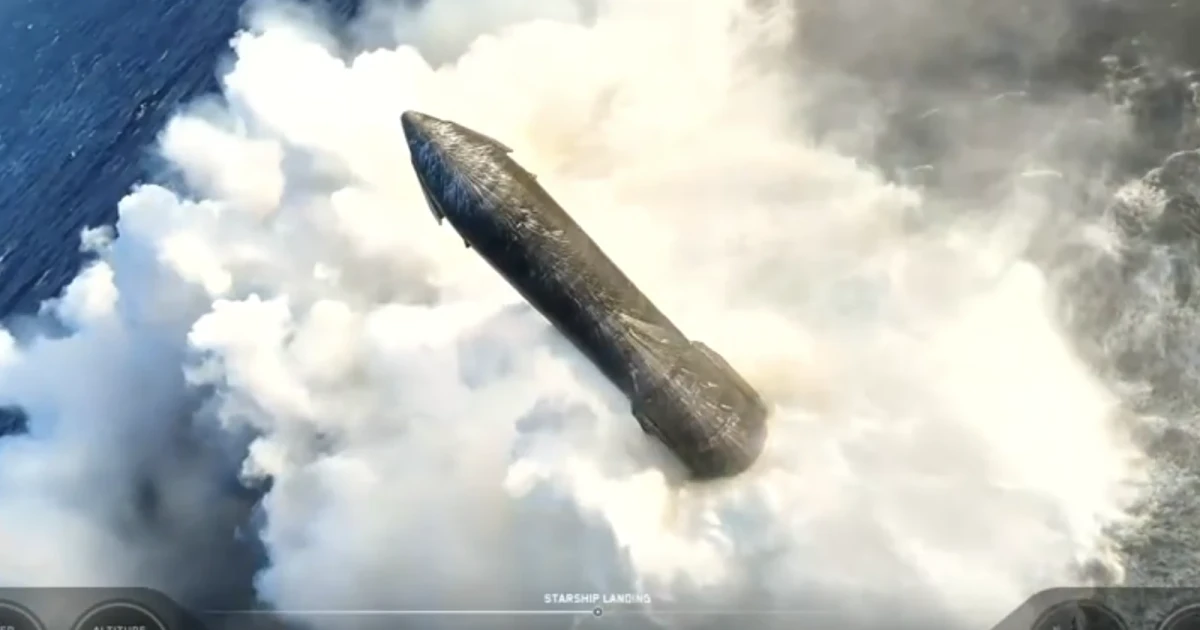
SpaceX’s Starship Flight 13 ended with an upper-stage soft splashdown and a booster landing that was less clean, after the company worked through an earlier abort before liftoff and a weather-battered second attempt from Starbase in South Texas.
The flight was another step in SpaceX’s rapid-iteration push for the fully reusable Starship-Super Heavy system, which the company has cast as central to future Moon and Mars missions. SpaceX had planned to open a 90-minute launch window at 5:45 p.m. CT as early as Thursday, July 23, then shifted the live schedule to July 24, with coverage set for 6:15 p.m. EDT. Reuters reported on July 16 that the 13th test launch aborted before liftoff, and Reuters later said the company moved the attempt to Thursday. Spaceflight Now said the second attempt followed post-abort engine work and ran into complications as Tropical Storm Bertha passed through the area.
The mission carried more than test-flight symbolism. It was the second V3 model Starship flight and came after SpaceX had flown Starship 12 times since April 2023 from Starbase. RocketLaunch.Live said Flight 13 was slated to deploy 20 real V3 Starlink satellites, a sign that SpaceX is trying to turn test flights into operational demonstrations for both the rocket and its commercial broadband network. That makes the mission more than a spectacle: it is part of the company’s effort to prove that the vehicle can carry real payloads while still absorbing hardware changes at a pace traditional aerospace programs rarely attempt.
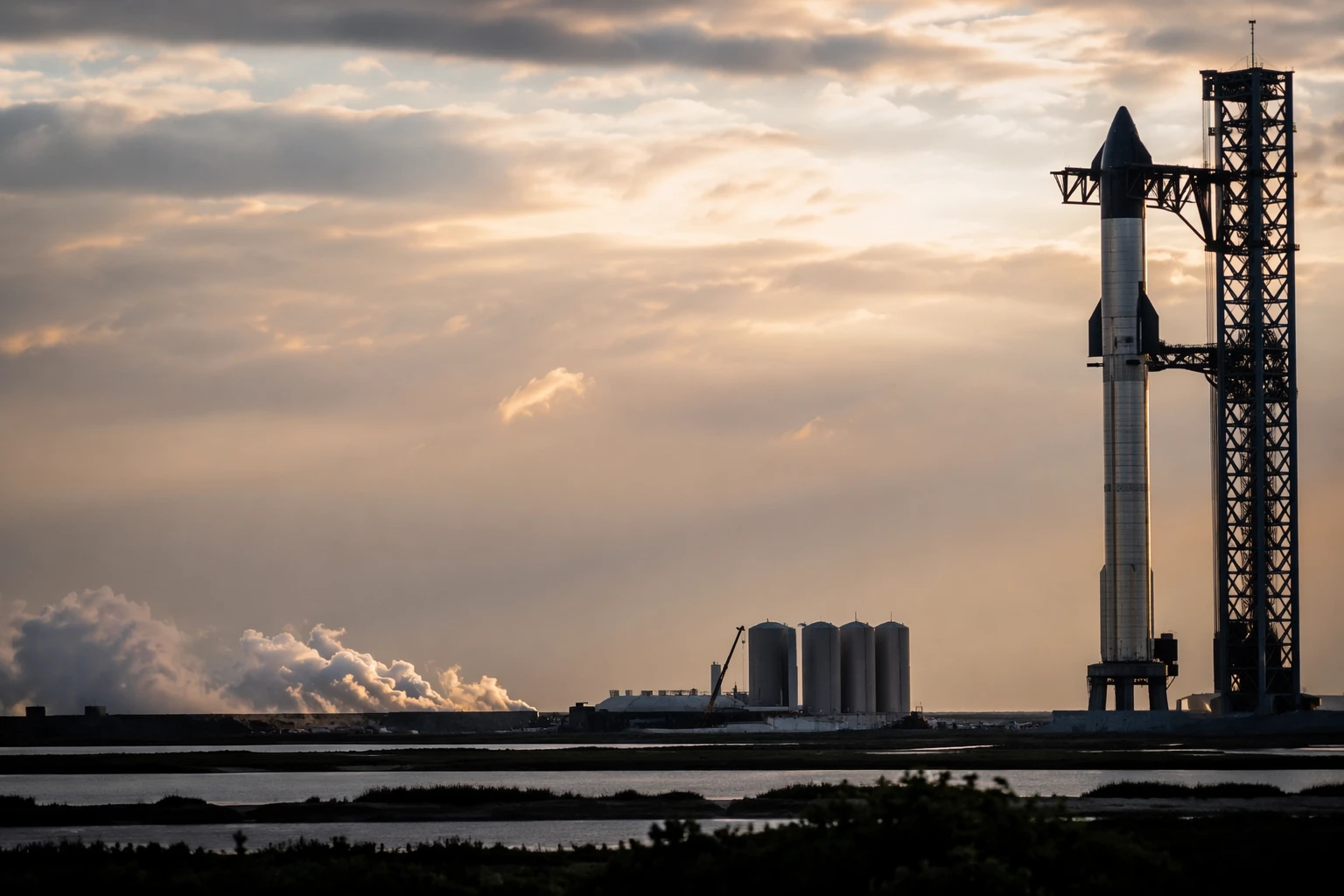
For NASA, the significance is tied directly to Artemis. NASA’s Artemis campaign page links Starship test flights to mission progress, and a June estimate said at least 15 Starship launches would be needed to reach the Moon once, underscoring how much refueling and launch cadence still have to work before Starship can support a lunar landing architecture. In June, NASASpaceflight said Booster 20 completed its first successful cryogenic proof test at Massey’s, while Ship 40 continued static-fire preparations; later updates said Ship 40 completed a 60-second static fire on July 1 and Booster 20 fired for 25 seconds with all 33 engines on July 10.
Flight 13 therefore proved two things at once: SpaceX can keep pushing the development line forward after an abort, and the vehicle can still reach important milestones like payload deployment and splashdown. It did not yet prove that Starship’s reusability, landing reliability and launch cadence are ready for the repeated flights NASA and commercial customers will need.
Sources
- [1]news.google.com
- [2]spacex.com
- [3]spaceflightnow.com
- [4]reuters.com
- [5]spacenews.com
- [6]nasa.gov
- [7]youtube.com
- [8]rocketlaunch.live
- [9]space.com
- [10]spacelaunchschedule.com