Science
SpaceX Reschedules Starship V3’s First Test Flight
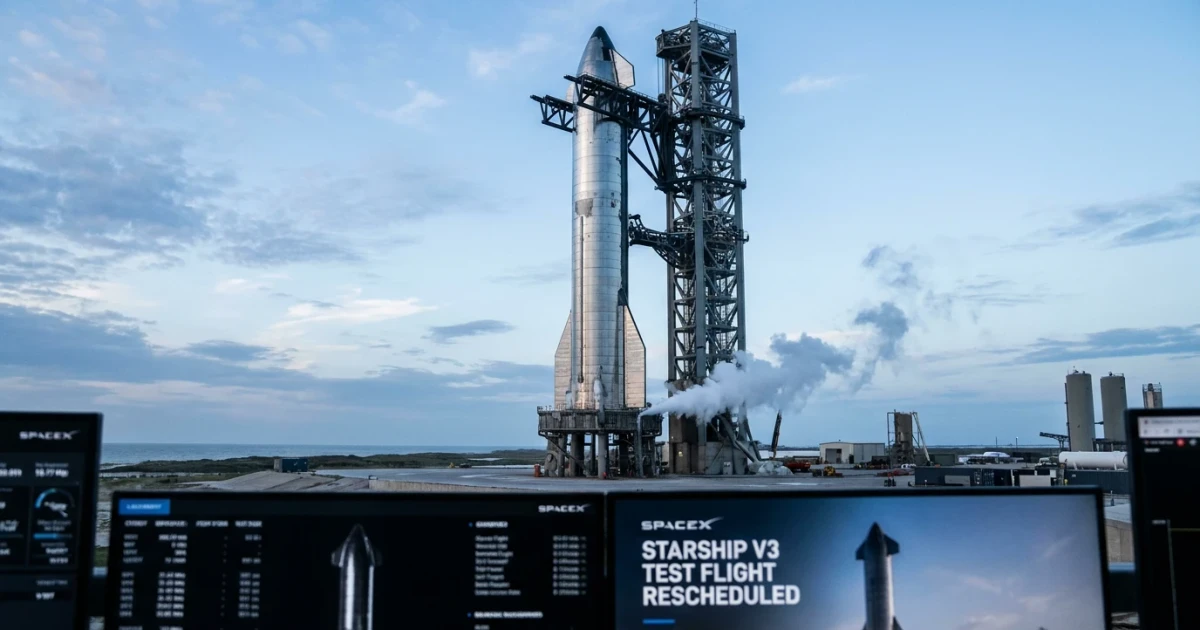
SpaceX has set a new launch date for the inaugural test flight of its highly anticipated Starship V3, marking a significant milestone for the company’s efforts to develop a fully reusable super heavy-lift launch vehicle. The mission, designated Starship Flight 12, is now scheduled to launch on May 20, according to recent updates reported by Space.com and SpaceFlightNow.
New Timeline for Starship V3’s Debut
The upcoming test flight will be the first to feature the upgraded V3 configuration of SpaceX’s Starship vehicle. Originally targeting mid-May, the launch date was pushed back to May 20 to provide additional time for pre-flight checkouts and coordination with regulatory agencies. SpaceX’s teams at the Starbase facility in Boca Chica, Texas, are finalizing preparations after integrating the latest upgrades to both the Starship upper stage and its Super Heavy booster.
According to the Federal Aviation Administration’s commercial space launch database, SpaceX’s Starship program is currently the only U.S.-licensed super heavy-lift reusable system, and each test flight is closely monitored by regulators and industry observers alike.
What Makes Starship V3 Different?
The Starship V3 represents the latest evolution in SpaceX’s rapidly iterated vehicle design. While specific technical details are closely guarded, independent analysis from a recent arXiv preprint highlights several expected upgrades:
- Enhanced Raptor engines with improved thrust and reliability
- Refined heat shield tiles for better atmospheric reentry performance
- Structural improvements to increase payload capacity and reduce dry mass
- Upgrades to avionics and flight control systems
SpaceX aims to demonstrate V3’s full-stack performance in this test, paving the way for both commercial satellite deployment and eventual human spaceflight missions as part of NASA’s Artemis Human Landing System.
Launch Window and Flight Objectives
The current timeline calls for liftoff on the morning of May 20, with a launch window expected to open around 8:00 a.m. Central Time. The flight profile will closely resemble earlier Starship tests, aiming for a full-duration ascent, stage separation, and a controlled descent back toward the Gulf of Mexico. SpaceX will attempt to gather crucial data on V3’s performance and recovery systems, setting the stage for more ambitious follow-up flights later this year.
As with previous Starship launches, the mission will be livestreamed on SpaceX’s official channels, offering real-time coverage for industry watchers and the general public. The NASA launch schedule confirms the updated timing, and coordination with the FAA and local authorities remains ongoing to ensure safe flight operations.
Looking Ahead for Starship and SpaceX
The upcoming Starship V3 flight is seen as a critical test for SpaceX’s ambitions to deliver rapid reusability and heavy payload capabilities to orbit and beyond. Success with V3 could accelerate timelines for operational missions—including large-scale Starlink deployments and NASA’s Artemis program.
Observers note that Starship’s iterative development approach has already yielded significant progress, with each flight providing valuable data. If the V3 test meets its objectives, SpaceX will be positioned to further expand the scope and scale of its missions, potentially reshaping commercial launch services and enabling new frontiers in human space exploration.
For readers interested in tracking the latest Starship flight records and technical milestones, NASA maintains an open data repository with detailed mission outcomes and vehicle configurations.
The countdown to May 20 will be closely followed by the space industry and enthusiasts around the world, as SpaceX seeks to demonstrate the capabilities of its most advanced launch system yet.