Science
SpaceX rocket debris expected to crash into the moon

A SpaceX Falcon 9 upper stage was expected to hit the Moon near Einstein Crater at about 06:35 UTC on Aug. 5, a school-bus-sized piece of hardware that had been drifting since a January 2025 launch. The object was tied to a mission that carried Firefly Aerospace’s Blue Ghost lunar lander and ispace’s Resilience lander, turning a routine launch artifact into a visible case of lunar debris.
The stage weighed about 3.9 tonnes to five tons, depending on the report, and some accounts put its impact speed at about 8,700 km/h, or roughly 5,400 mph. After launch, it did not have enough fuel for a disposal burn, leaving it to wander through the Earth-moon system until orbital calculations pointed it toward the Moon’s near side. That path matters because it shows how end-of-mission decisions can fail long after liftoff, when there is no practical way to recover what is left behind.
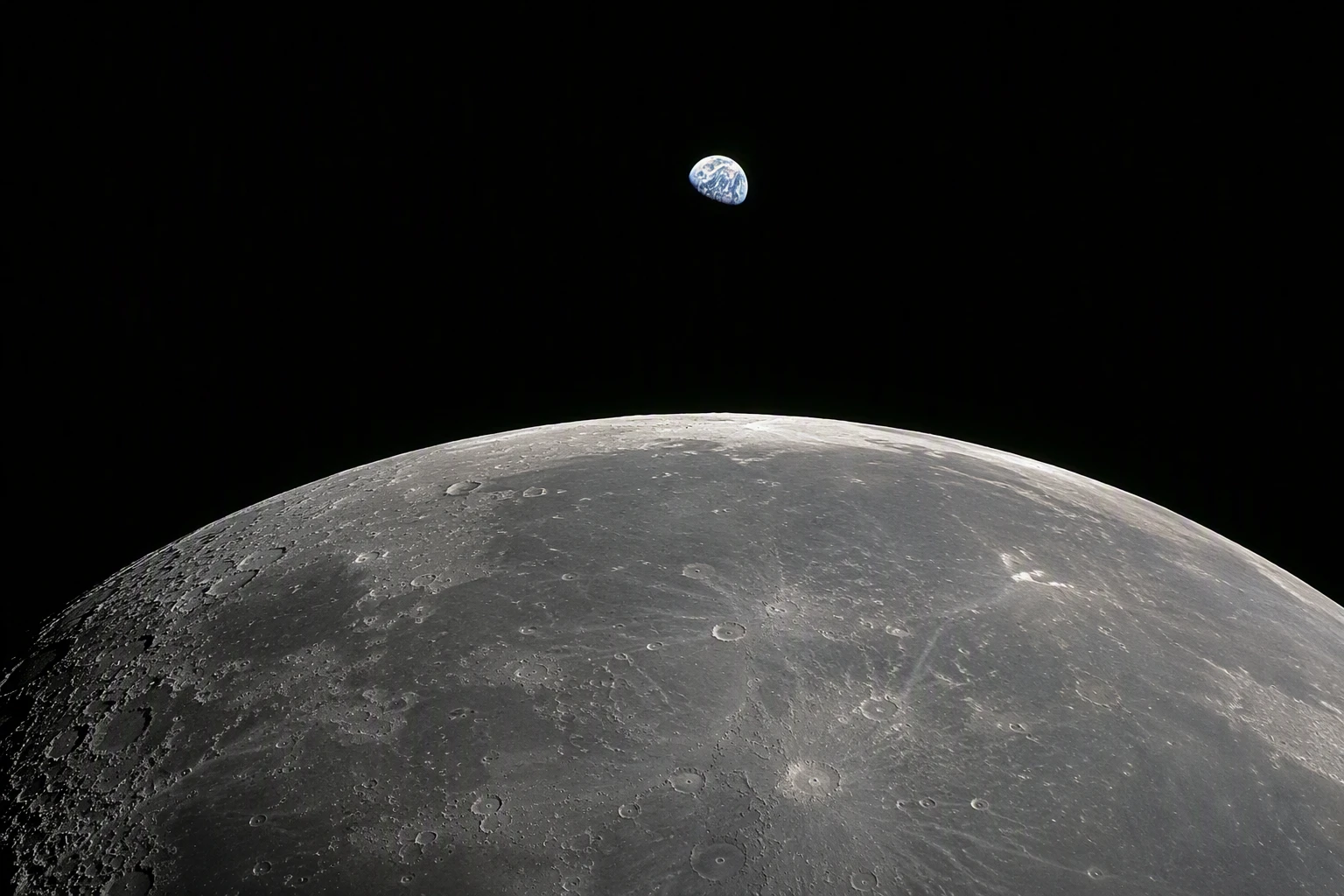
The larger problem reaches beyond this single impact. SpaceX has pushed commercial launch to a pace that would have been hard to imagine a generation ago, and each spent stage, adapter or component that remains in space adds to a growing field of inert hardware. Some spacecraft burn up in the atmosphere, some are moved into disposal orbits, and some stay aloft for years or decades. ESA said in a February 2022 explainer that debris headed for the Moon can be studied and that the Moon’s airless surface offers no shield from incoming objects. In its 2025 space-environment report, ESA said Earth’s orbital environment was already crowded with debris.
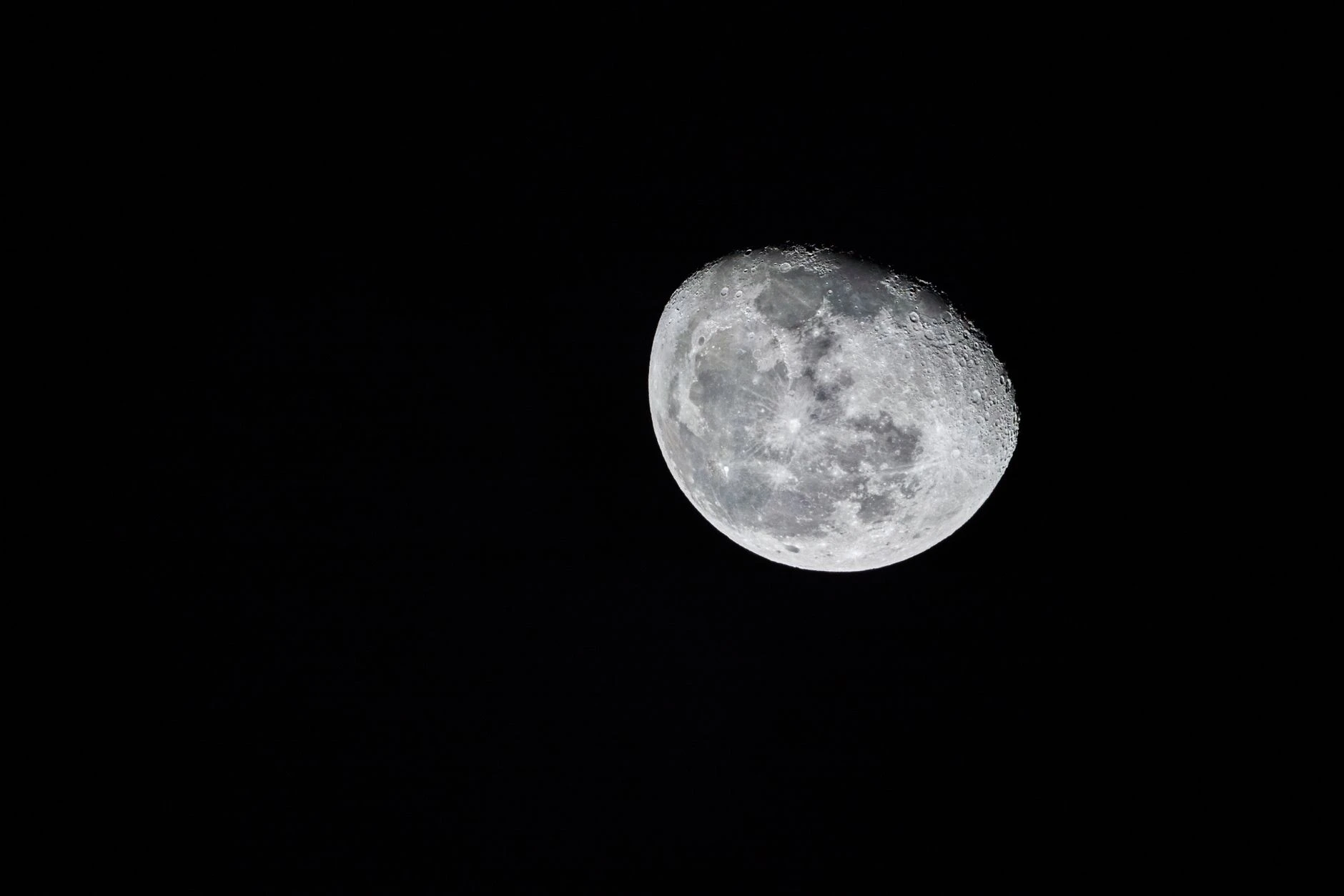
Bill Gray’s Project Pluto called the lunar strike something of “some (probably minor) scientific interest” that “doesn't present any danger to anyone,” while also pointing to “a certain carelessness about how leftover space hardware is disposed of.” Scientists planned to observe the collision, with NASA’s Lunar Reconnaissance Orbiter and South Korea’s Danuri among the spacecraft named in some reports. Some observers expected a crater and a dust plume visible only through sensitive telescopes for minutes.
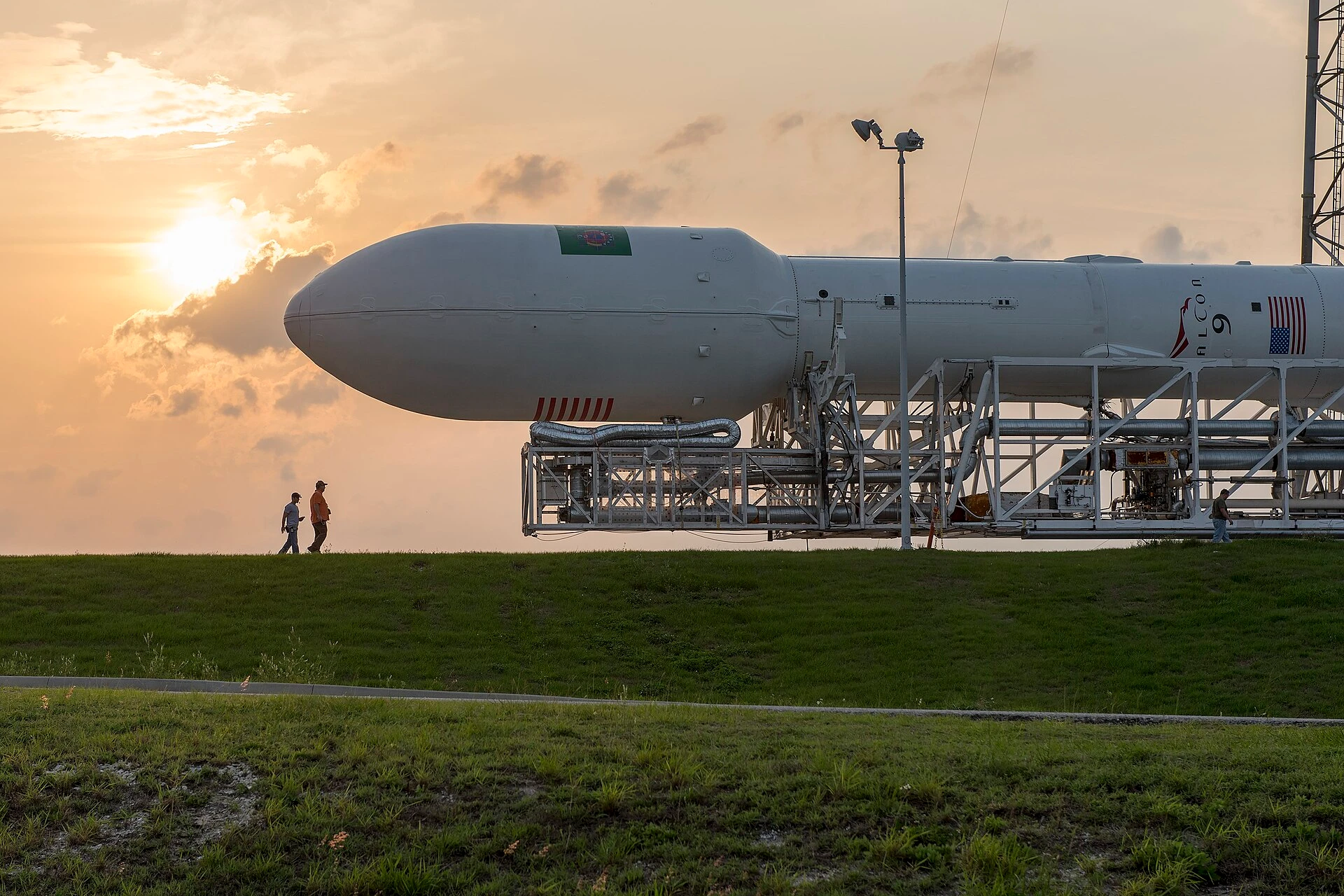
NASA’s lunar-impact material says the Moon experiences hundreds of detectable impacts each year, but this one carried a sharper political and regulatory edge because the object was human-made. As private companies, governments and research institutions send more hardware beyond low Earth orbit, the question is no longer just where rockets go when the mission ends, but who is responsible when they become celestial litter.
Sources
- [1]reuters.com
- [2]projectpluto.com
- [3]esa.int
- [4]floridatoday.com
- [5]livenowfox.com
- [6]cleveland.com
- [7]fireflyspace.com