Science
SpaceX rocket stage on collision course with the moon
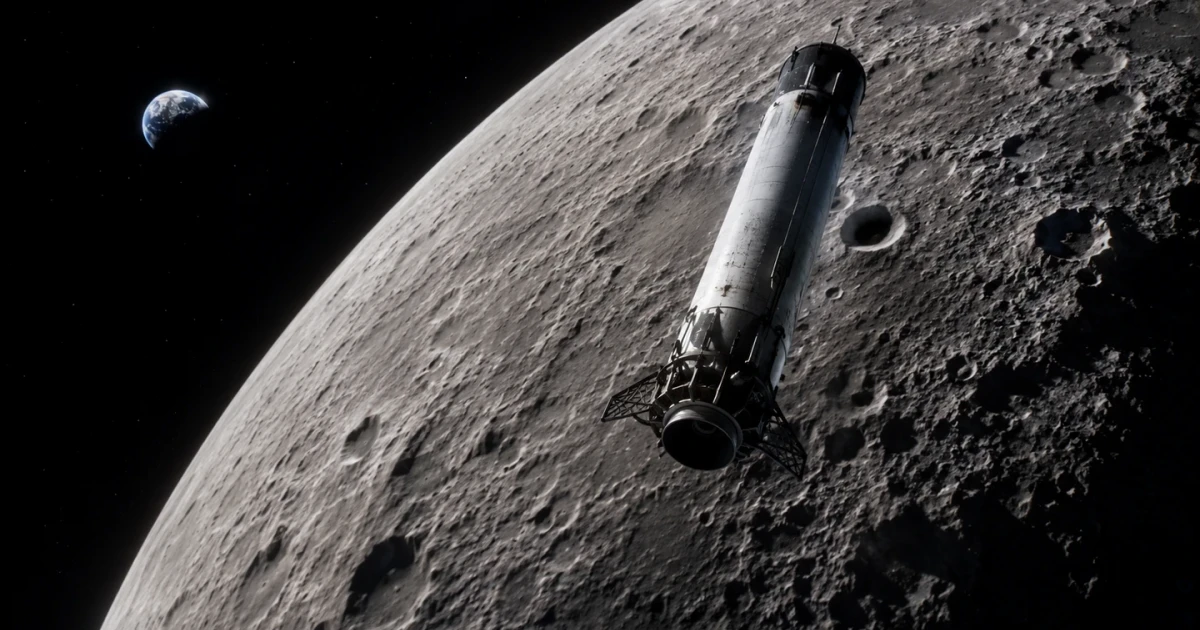
A spent SpaceX Falcon 9 upper stage will slam into the moon on Wednesday, Aug. 5, at about 2:34 a.m. ET, after drifting in space for roughly 19 months since it helped launch Intuitive Machines’ IM-2 mission. The five-ton stage, about 4,000 kilograms or 8,800 pounds, is traveling at roughly 5,400 mph, or 8,700 kph, and is expected to strike near Einstein crater on the moon’s far side.
Bill Gray, the independent space tracking expert who flagged the collision path, calculated that the hardware had been moving on a chaotic trajectory long after it finished its original job. The impact will not be a routine end-of-life disposal. It is an uncontrolled crash, and scientists expect it to carve a fresh crater while kicking up a dust-and-debris plume from a surface that has no atmosphere to burn away incoming junk the way Earth does.
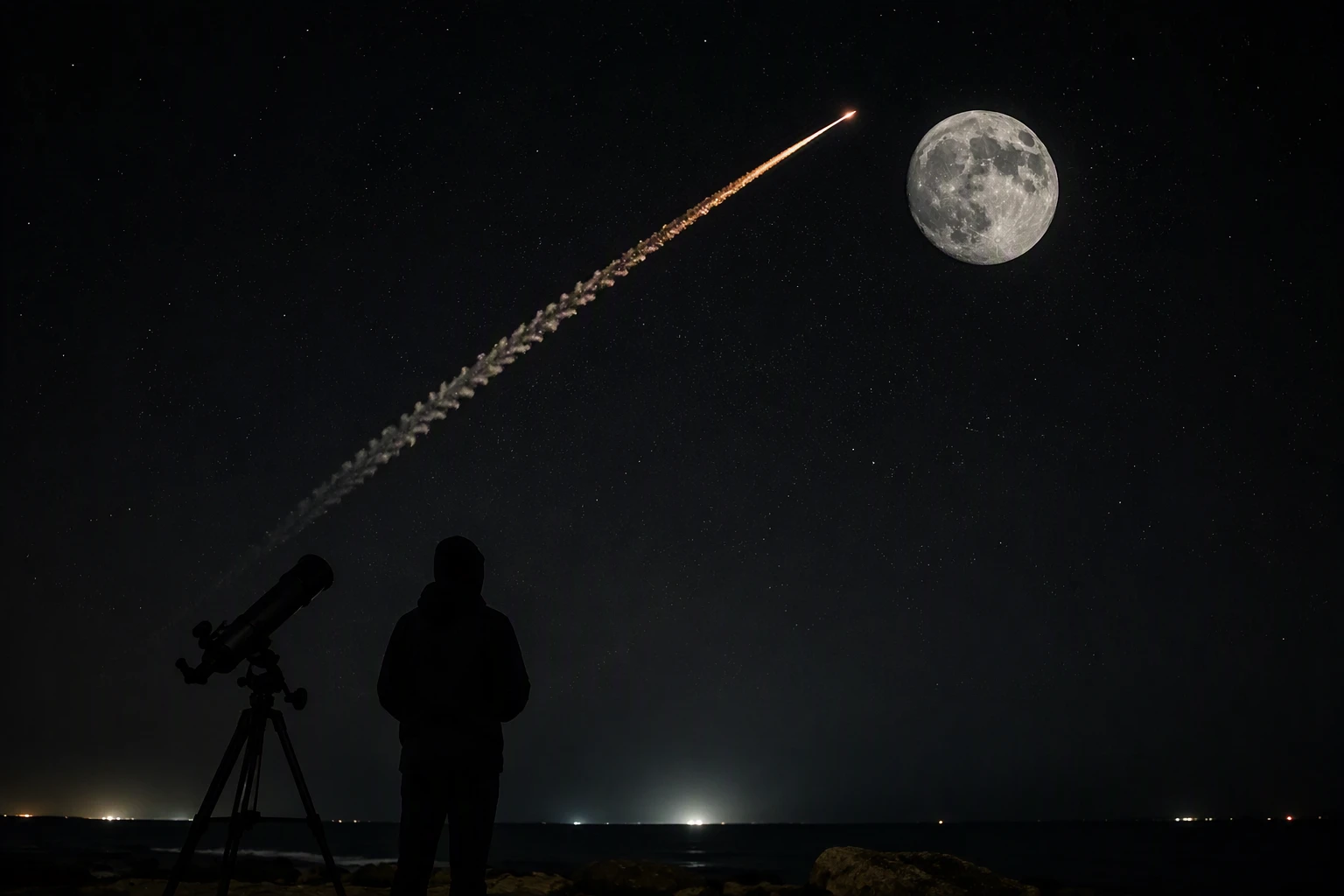
That difference matters for lunar science. An arXiv paper on observational planning says researchers will watch for the flash, plume and ejecta behavior as a rare real-world test of how impacts excavate lunar soil. Under the right conditions, the blast could be visible from Earth, giving astronomers a direct look at how fast-moving debris interacts with the moon’s surface and how crater material spreads outward after impact.
The event also sharpens the accountability problem that comes with a busier space economy. SpaceX, NASA contractors and other commercial operators are launching more hardware than ever, and every mission can leave behind upper stages, boosters and other components that remain in motion for years. Unlike spacecraft that are deliberately deorbited into the moon for science, this stage will hit by accident, reviving questions about who is responsible for tracking and disposing of hardware once a mission is over.
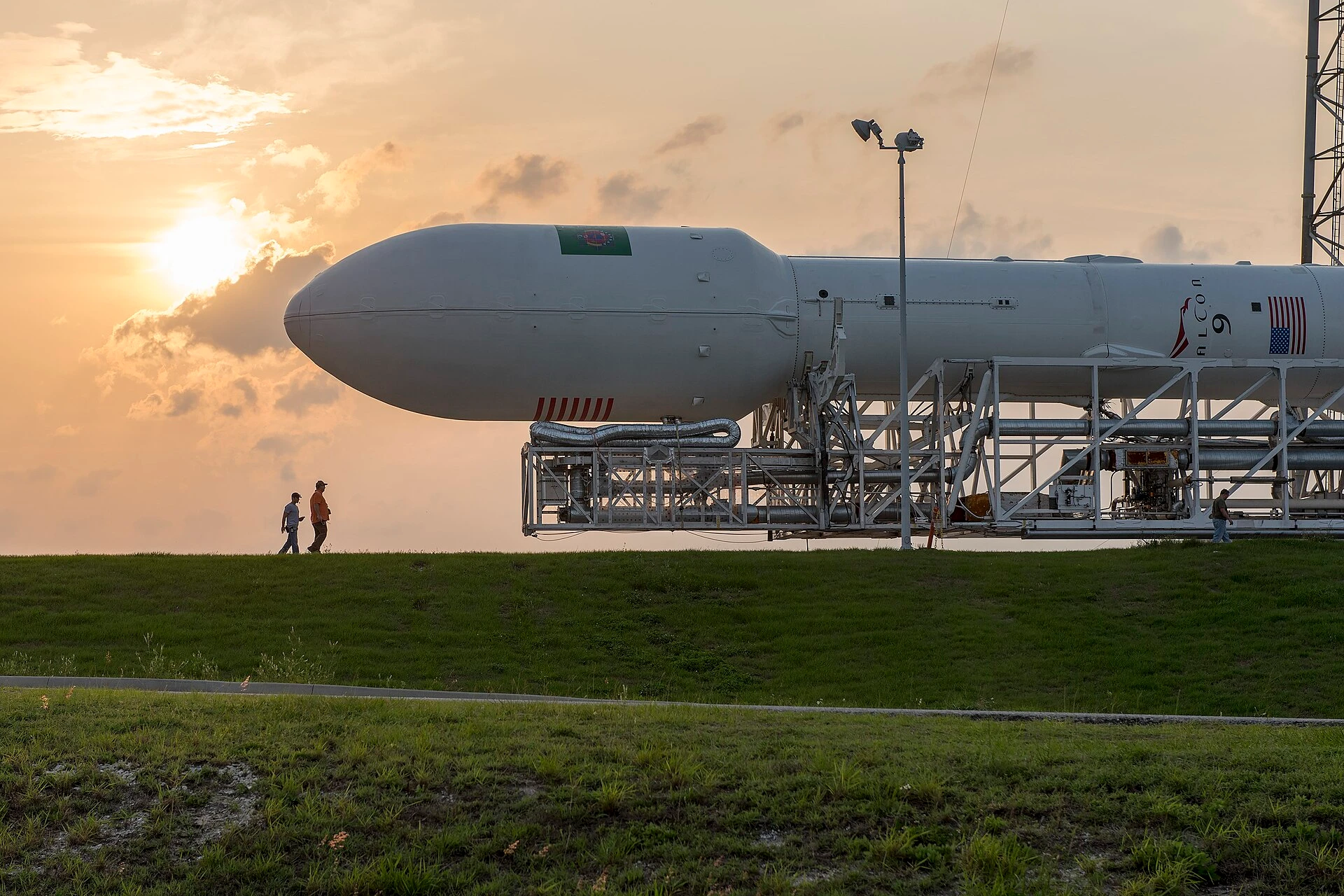
The concern is not new. In 2022, another leftover SpaceX Falcon 9 upper stage was already expected to hit the moon in early March, a reminder that these impacts are possible when launch vehicles are left in unstable orbits. The current case is drawing more attention because the object is larger, better tracked and tied to a live lunar mission, making it both a scientific opportunity and a warning about how crowded the space environment has become.
Sources
- [1]apnews.com
- [2]mercurynews.com
- [3]abcnews.com
- [4]usatoday.com
- [5]newsweek.com
- [6]projectpluto.com
- [7]arxiv.org
- [8]space.com
- [9]phys.org