Technology
SpaceX rocket stage set to crash into the Moon near Einstein crater
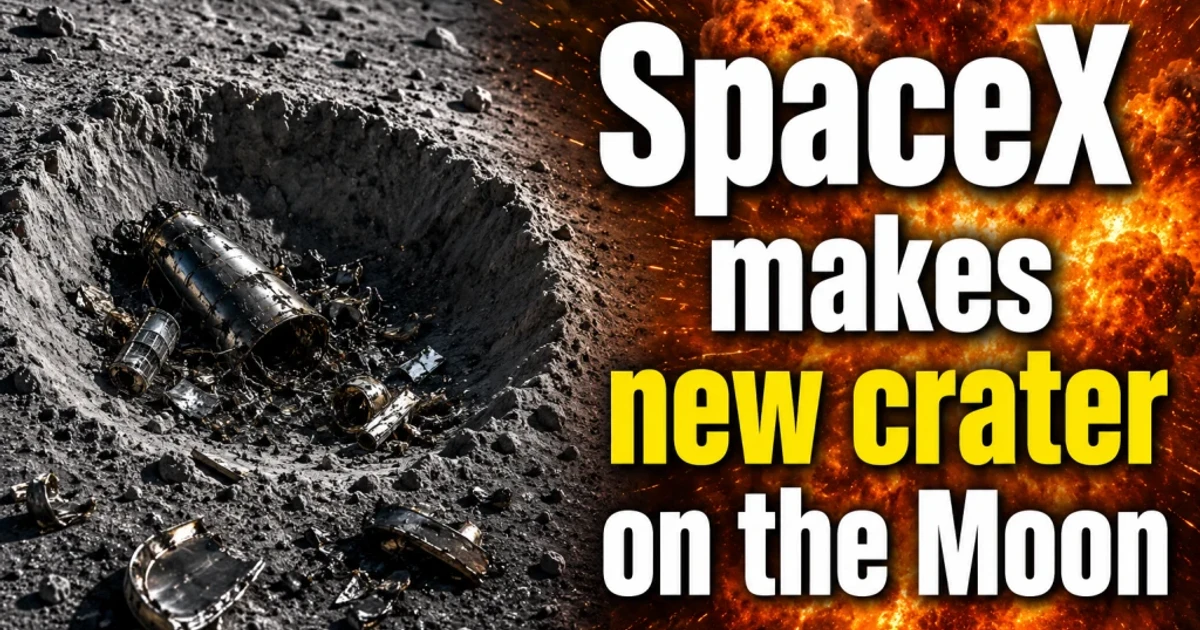
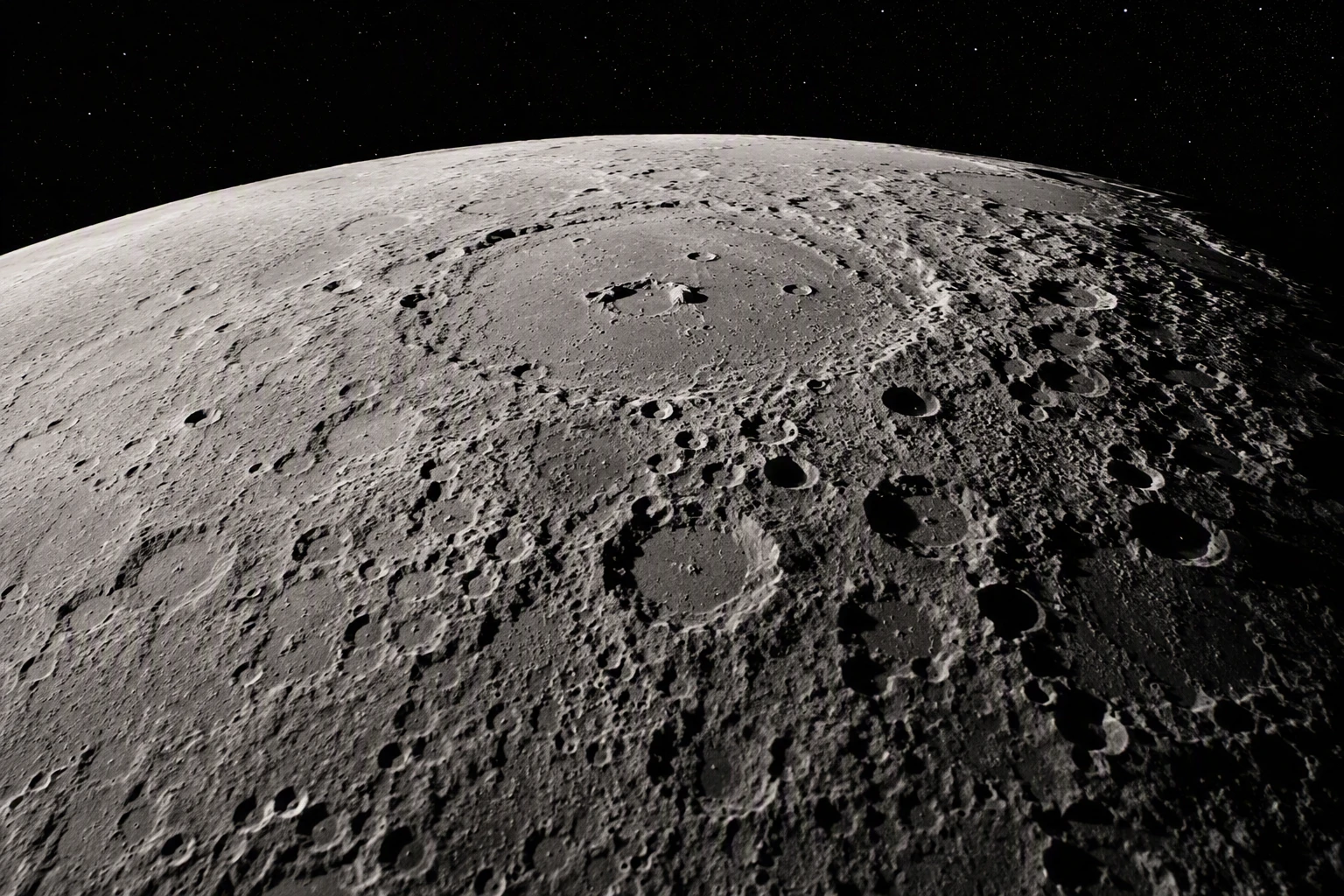
A SpaceX Falcon 9 upper stage was expected to slam into the Moon near Einstein crater at about 06:35 UTC on Aug. 5, after more than a year adrift in space. Amateur and professional astronomers trained telescopes on the predicted impact site, but most saw nothing.
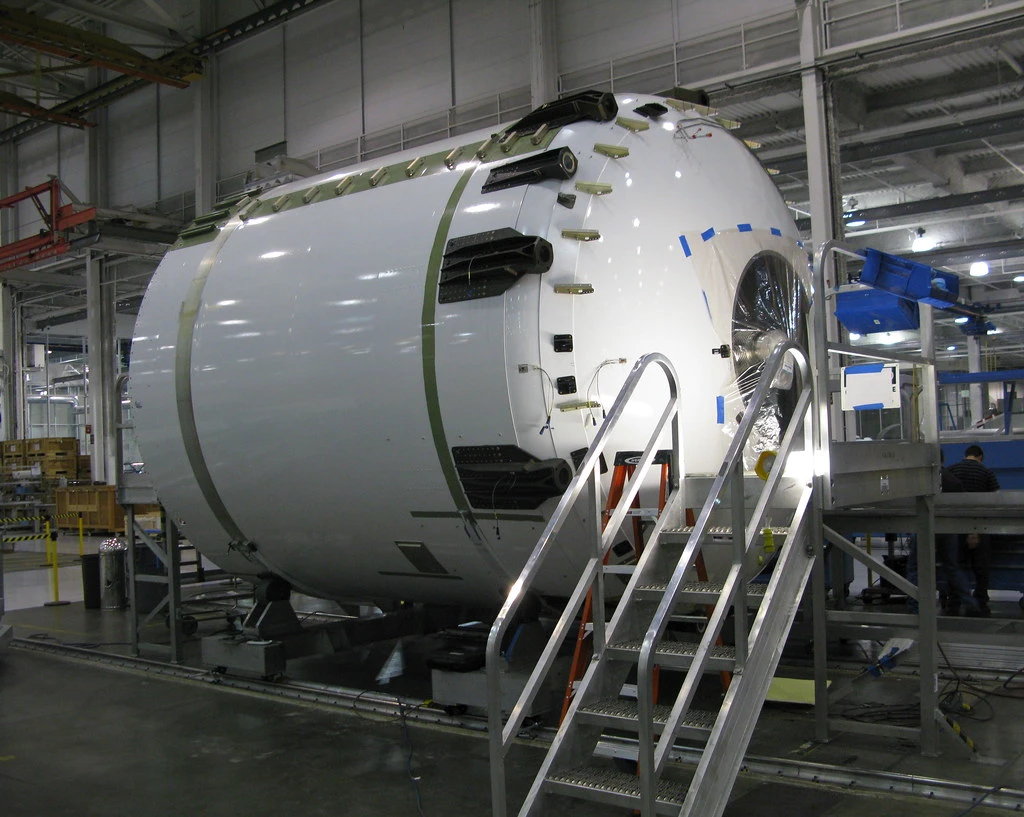
The roughly 3.9-ton rocket stage was left behind after SpaceX launched Firefly Aerospace’s Blue Ghost Mission 1 and ispace’s Resilience lunar landers on Jan. 15, 2025. Pre-impact estimates put the speed at about 8,700 km/h, or 5,400 mph, and scientists said the collision could excavate a crater about 27 meters wide while throwing a dust plume as high as 100 kilometers.
NASA said it would try to observe the lunar strike. The agency’s effort reflected how ad hoc this kind of monitoring remains: observers on Earth were piecing together the event from predicted trajectories, telescope time, and luck, even though the object was large enough to matter scientifically.
The impact was expected to produce no danger to Earth, but it carried unusual scientific value. Mission planners and lunar scientists described it as a rare chance to study how high-speed impacts reshape the lunar surface and to sharpen models for future Moon exploration, especially as more spacecraft head for the Moon.
The event also stood out because it was described as only the second known case of space debris accidentally striking the Moon. That rarity helped explain why the observation problem remains so severe. Reports noted that no impact flash has ever been convincingly detected on the Moon’s sunlit surface, even by professional telescopes, making direct confirmation of lunar strikes frustratingly difficult.
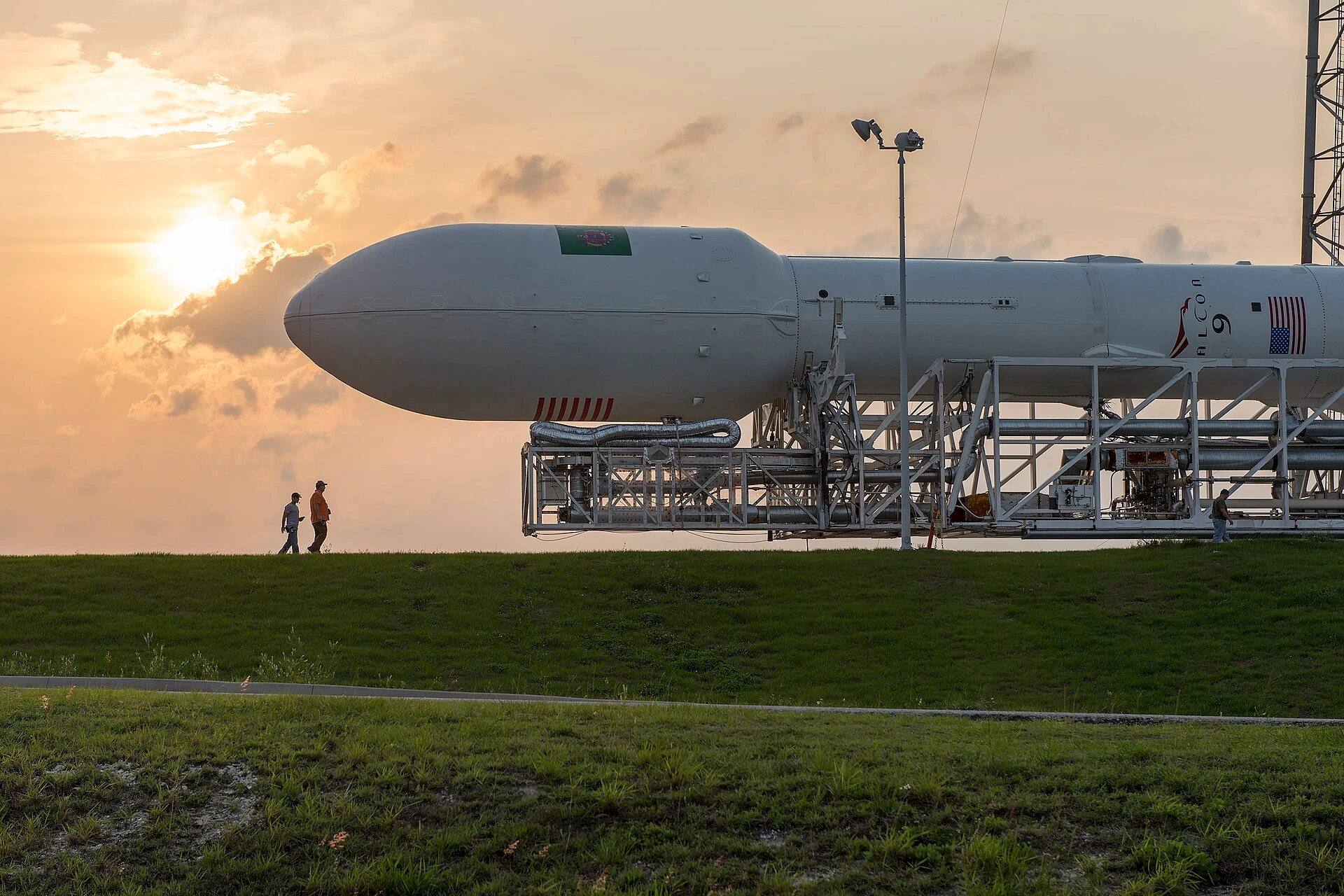
The challenge is becoming more important as lunar traffic grows. A stage that was useful only for the first part of a mission was still able to make a measurable collision months later, and that kind of leftover hardware is increasingly part of the cislunar environment. For now, though, the Moon still absorbs these impacts with far less scrutiny than Earth orbit gets, leaving even a multi-ton crash difficult to verify in real time.
Sources
- [1]nytimes.com
- [2]nasa.gov
- [3]cnn.com
- [4]space.com
- [5]bbc.com
- [6]projectpluto.com
- [7]aljazeera.com
- [8]france24.com
- [9]youtube.com