Technology
SpaceX rolls out smaller, lighter Starlink V5 dish in select areas

SpaceX has started offering its Starlink V5 residential dish in select areas, pitching a smaller form factor, lighter design and greater power efficiency than the V4 kit as it tries to widen access to satellite broadband for homes that still lack dependable terrestrial service.
The new kit is built for fixed residential installation, not for in-motion use, and Starlink says the residential plan starts at $130 a month. For rural households, off-grid users and RV owners who spend long stretches outside fiber and cable networks, the appeal is not just the hardware footprint. A lighter dish that uses less power can make installation easier and reduce the strain on power-limited setups, even as the monthly bill remains unchanged.

Starlink lists speeds up to 375+ Mbps for the V5 residential kit. The company says availability is region-dependent for now, and broader rollout should expand as production ramps to meet global demand. That limited launch means the dish is entering the market unevenly, with access still shaped by where SpaceX has capacity to ship and activate service.
The company’s own materials draw a sharp line between residential kits and mobility products. In-motion use is available only in select areas and under separate service terms, while the V5 is presented as a home internet product. That distinction matters for buyers who want satellite service on the move: the V5 is not a roaming or vehicle-mounted answer, but a fixed-home option meant to compete on installation simplicity and performance.
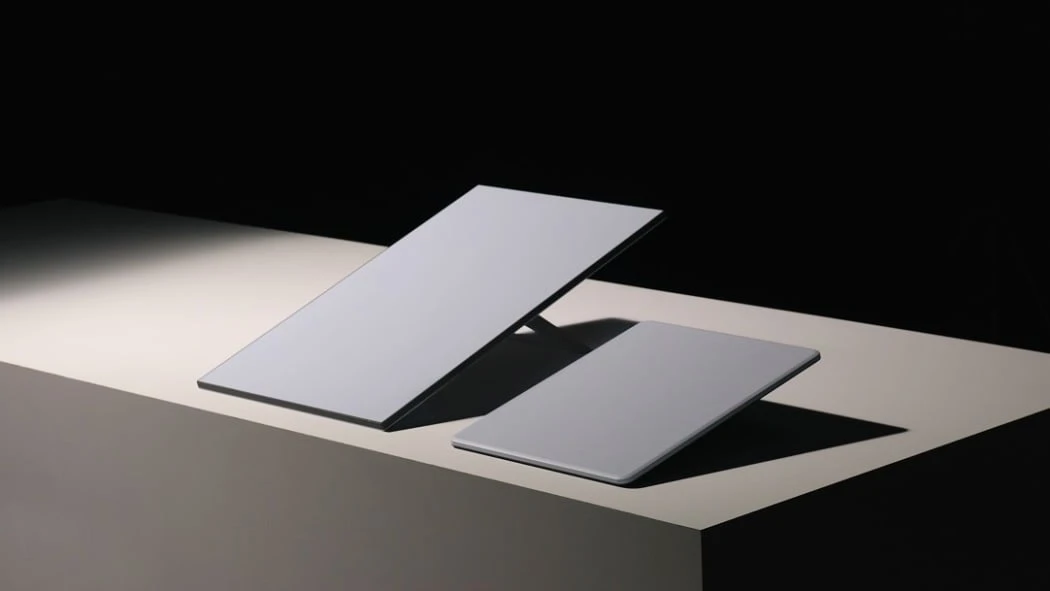
For context, Starlink’s older Standard 4X kit is listed by the company’s specifications at 173 x 93 x 35.75 mm and 0.65 kg for the power supply component. Starlink says its specifications and service plans can change over time, underscoring how quickly the hardware line is still evolving.

That pace has tracked with rapid customer growth. In a July 14, 2025 update, Starlink said it had expanded to 42 new countries, territories and other markets over the previous year, added 2.7 million-plus active customers globally and now serves more than 6 million. The V5 rollout fits that broader push: a smaller, more efficient dish could lower the friction of getting new customers online, especially in places where wired broadband still falls short.
Sources
- [1]theverge.com
- [2]starlink.com