Science
SpaceX Sends 6,500 Pounds of Cargo to ISS After Delay
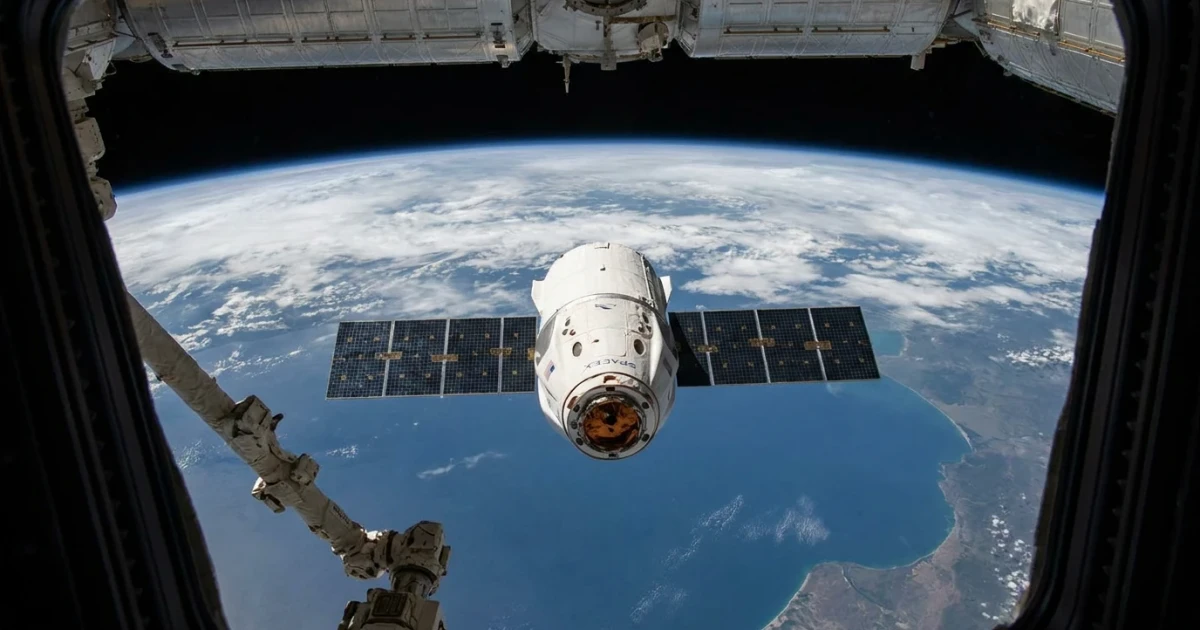
SpaceX has successfully launched its CRS-34 cargo mission, sending 6,500 pounds of supplies, experiments, and equipment to the International Space Station (ISS) after a brief delay. The mission, which lifted off from the Kennedy Space Center, highlights the ongoing partnership between NASA and SpaceX in supporting scientific research and crew needs aboard the orbiting laboratory.
SpaceX CRS-34 Mission Lifts Off
After a short postponement, the CRS-34 mission launched aboard a SpaceX Falcon 9 rocket, carrying a Dragon capsule loaded with cargo for the ISS. The launch, visible from Florida’s space coast, marked another successful resupply effort under NASA’s Commercial Resupply Services contract, continuing a series of regular deliveries critical to sustaining operations aboard the station.
What’s Onboard: Supplies and Science
The 6,500 pounds of cargo included a variety of essential items for the international crew, as well as scientific experiments that will advance research in areas such as biology, physics, and technology development. Recent data from NASA underscores the importance of these missions, with hundreds of investigations delivered to the ISS over the past decade. Each resupply mission brings new opportunities for discovery, supporting research on everything from human health in microgravity to innovations for future space exploration.
- Fresh food and crew supplies to sustain the astronauts on board
- Advanced scientific payloads for experiments in life sciences and materials science
- Technology demonstration hardware for testing in the station’s unique environment
Supporting International Science and Exploration
The ISS functions as a unique platform for research, hosting experiments that benefit life on Earth and inform missions beyond low-Earth orbit. SpaceX cargo missions like CRS-34 enable scientists worldwide to conduct experiments not possible on the ground, from growing cells in microgravity to studying fluid dynamics in space.
Looking Ahead
With CRS-34 now en route, the SpaceX Dragon will spend several weeks attached to the ISS as astronauts unload cargo and activate new experiments. Ongoing updates on the mission and research progress are available via NASA’s official records. As the ISS continues to advance scientific knowledge and prepare for future lunar and Mars missions, the role of commercial cargo providers remains central to maintaining the station’s operation and research output.
The successful launch of CRS-34—despite its initial delay—demonstrates the resilience and reliability of the SpaceX resupply program, ensuring that the ISS remains a hub for international collaboration and scientific discovery.