Science
SpaceX Sends Final GPS III Satellite Into Orbit
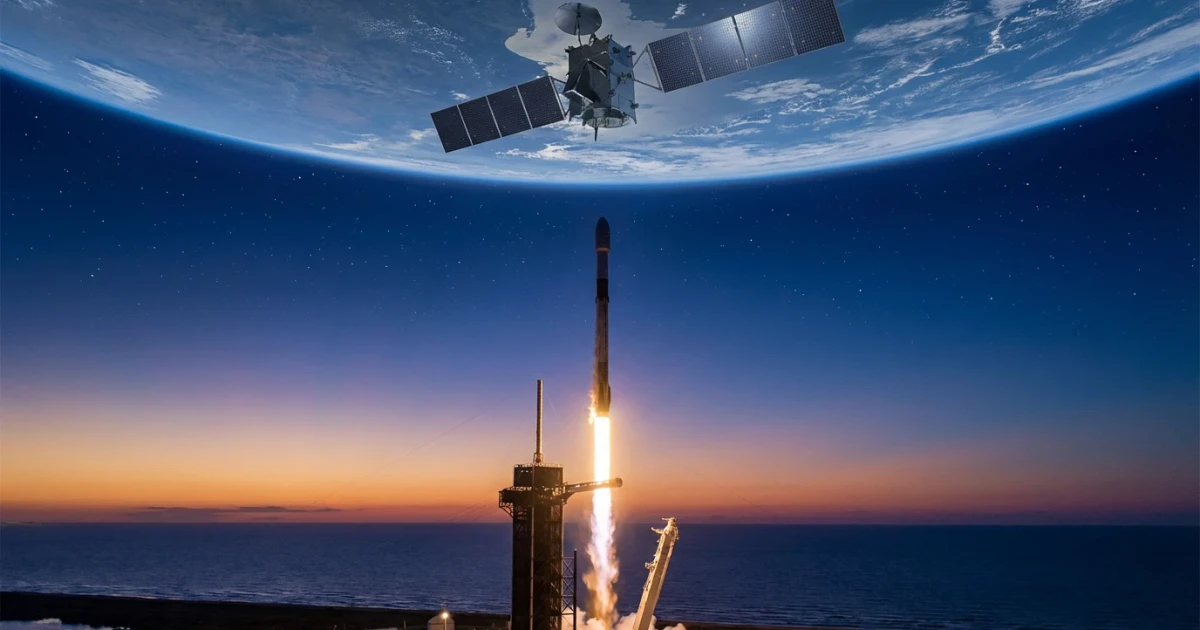
SpaceX successfully launched the final GPS III satellite for the U.S. Space Force's Global Positioning System constellation, concluding a multi-year upgrade to the nation's critical navigation infrastructure.
Milestone Launch Caps GPS III Deployment
The launch took place late at night from Florida, attracting both local space enthusiasts and international attention. With this mission, the U.S. Space Force now completes the deployment of the GPS III satellite series, which has been steadily replacing older satellites with more advanced technology since the first GPS III was launched in 2018.
Upgrades Enhance Accuracy and Security
- GPS III satellites offer three times better accuracy than previous generations, according to the U.S. Space Force.
- The satellites provide up to eight times improved anti-jamming capabilities, making signals more resilient against interference.
- New features include an enhanced civilian signal (L1C), designed to improve compatibility with global navigation systems like Europe’s Galileo.
The Lockheed Martin-built GPS III satellites represent a key leap forward in global positioning technology. This new generation will support military, commercial, and civilian users worldwide, offering improved accuracy for everything from smartphone navigation to advanced military operations.
SpaceX’s Role in National Security Launches
SpaceX has played a crucial role in deploying the GPS III fleet, leveraging its Falcon 9 rocket for reliable and cost-effective launches. The use of reusable boosters has contributed to cost savings and mission flexibility for the U.S. government.
Looking Ahead: GPS Modernization Continues
With the final GPS III satellite now in orbit, the focus shifts to maintaining and enhancing the constellation’s performance. The U.S. Space Force will continue overseeing satellite health and status, ensuring global coverage and reliability for all users.
- The constellation now consists of over 30 operational satellites, providing continuous global service.
- GPS technology underpins critical infrastructure, emergency response, and financial systems worldwide.
According to analysis in Acta Astronautica, GPS III satellites have demonstrated increased longevity and performance, setting the stage for future upgrades and evolving uses of GPS data in science and industry.
Conclusion: A New Era for Global Navigation
The completion of the GPS III deployment marks a significant technological achievement for the United States and its allies. As new applications and devices rely on ever-more-precise positioning, the advanced capabilities of the GPS III constellation will benefit both national security and daily life for billions of users worldwide.