Business
SpaceX sets record $75 billion IPO at up to $1.77 trillion valuation

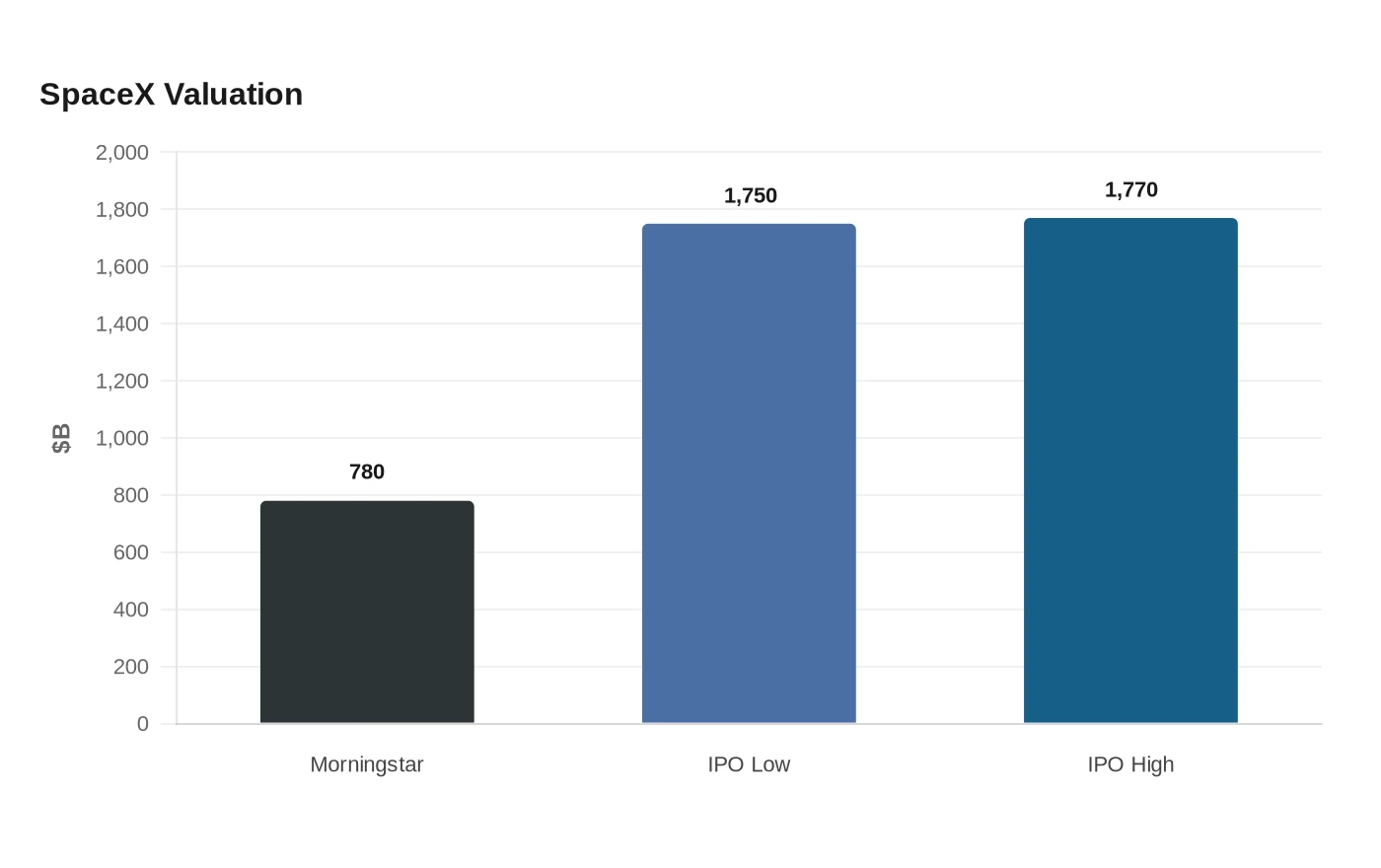
SpaceX’s blockbuster stock offering has turned into a referendum on Elon Musk himself: investors are being asked to pay up for a company that couples rocket launches, broadband service and AI ambitions with unusually tight founder control. The deal is set to raise about $75 billion and value the company at roughly $1.75 trillion to $1.77 trillion, making it the biggest U.S. IPO on record.
The company priced 555,555,555 Class A shares at $135 each and granted underwriters a 30-day option to buy another 83,333,333 shares. Trading is expected to begin Friday, June 12, on the Nasdaq Global Select Market and Nasdaq Texas under the ticker SPCX, with the offering expected to close on June 15. Demand has already reached about $150 billion, roughly twice the amount SpaceX sought to raise.
The size of the debut has put SpaceX in a different league from prior listings, including Saudi Aramco’s 2019 offering, which raised about $24.9 billion. But the real question for public markets is not just scale. It is whether investors are willing to treat a Musk-led space company like a mature infrastructure business, or keep pricing it as a speculative moonshot tied to future growth that may take years to monetize.
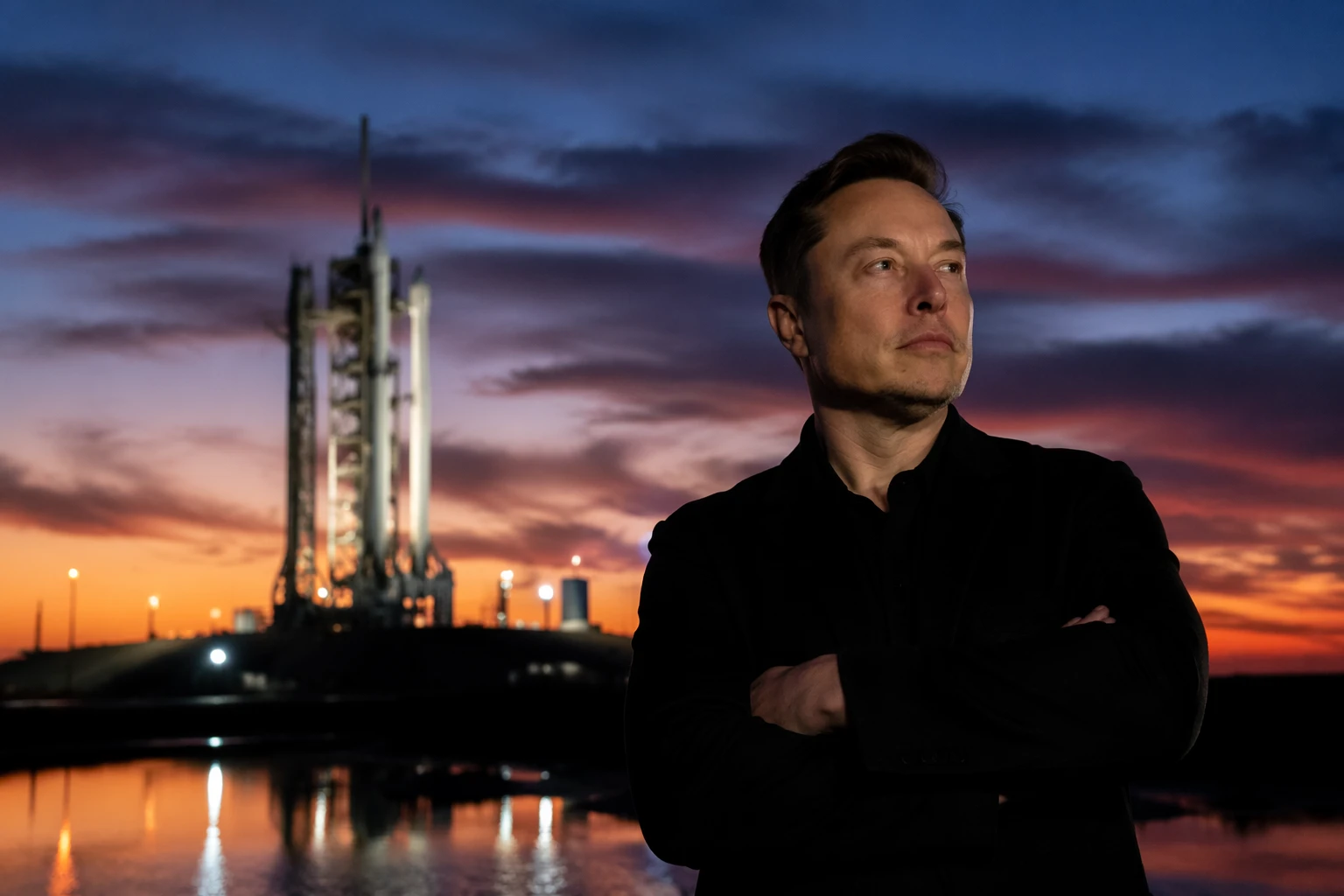
SpaceX’s filing shows why the answer is not simple. Musk will retain about 79% of voting power despite owning roughly 42% of equity, leaving public shareholders with limited influence over governance. The dual-class structure gives investors exposure to the business, but not much say in how it is run.
The fundamentals are mixed. Morningstar valued SpaceX at $780 billion and called it significantly overvalued, warning that xAI poses a material threat of value destruction. The company reported a $4.94 billion net loss in 2025 and a $4.28 billion net loss in the latest quarter, even as Starlink generated $3.26 billion in revenue in that quarter and accounted for 69% of total revenue.
SpaceX has leaned on its operating scale to justify the price. Its roadshow emphasized that its launch business has accounted for the lion’s share of mass lofted into orbit over the past three years, while Starlink is the core profitable engine. The company also sees a $23 trillion opportunity in AI offerings and says it aims to connect more than three billion unconnected people to the internet.
The offering has drawn heavyweight backing from Goldman Sachs, Morgan Stanley, BofA Securities, Citigroup, J.P. Morgan Securities LLC, Barclays, Deutsche Bank Securities, RBC Capital Markets, UBS Investment Bank and Wells Fargo Securities. For investors, the IPO is now a live test of how much the market will pay for Musk’s ecosystem, and how much risk it is willing to ignore.
Sources
- [1]nytimes.com
- [2]content.spacex.com
- [3]cnbc.com
- [4]money.usnews.com
- [5]thenextweb.com
- [6]techcrunch.com
- [7]apnews.com