Science
SpaceX sets reuse record with 36th flight of Falcon 9 booster
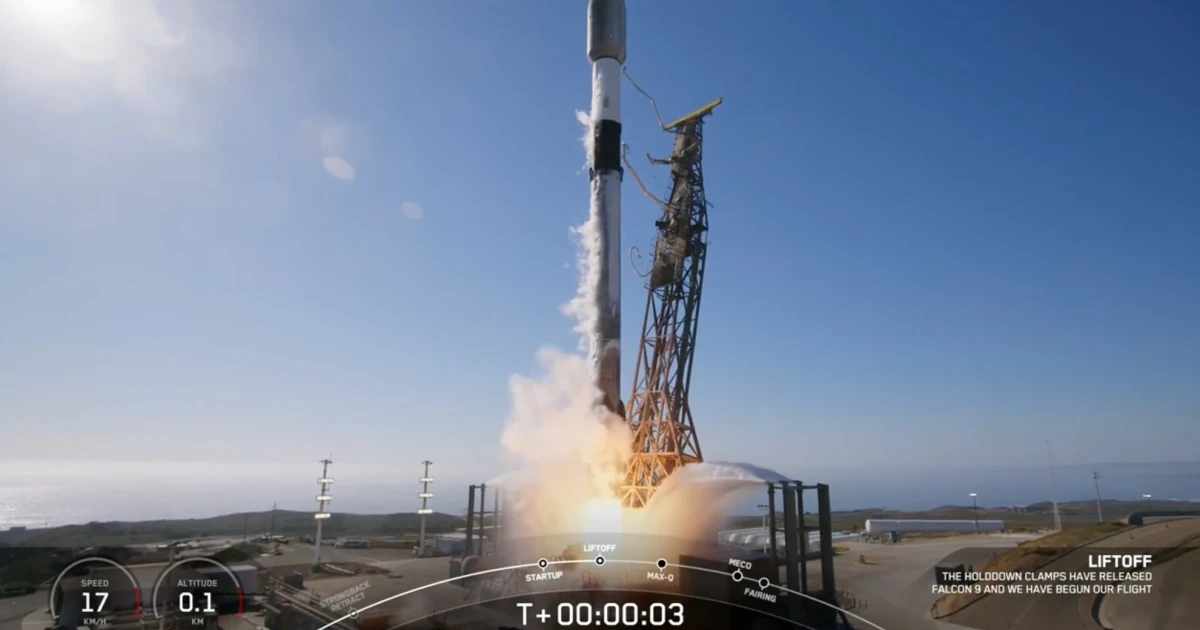
SpaceX pushed its reuse record farther on Thursday, sending its most-flown Falcon 9 booster on a 36th mission and adding 29 Starlink satellites to orbit from Cape Canaveral Space Force Station in Florida. The launch at 5:25 a.m. EDT on July 9 used booster B1067, which now has flown more missions than any other SpaceX rocket in history.
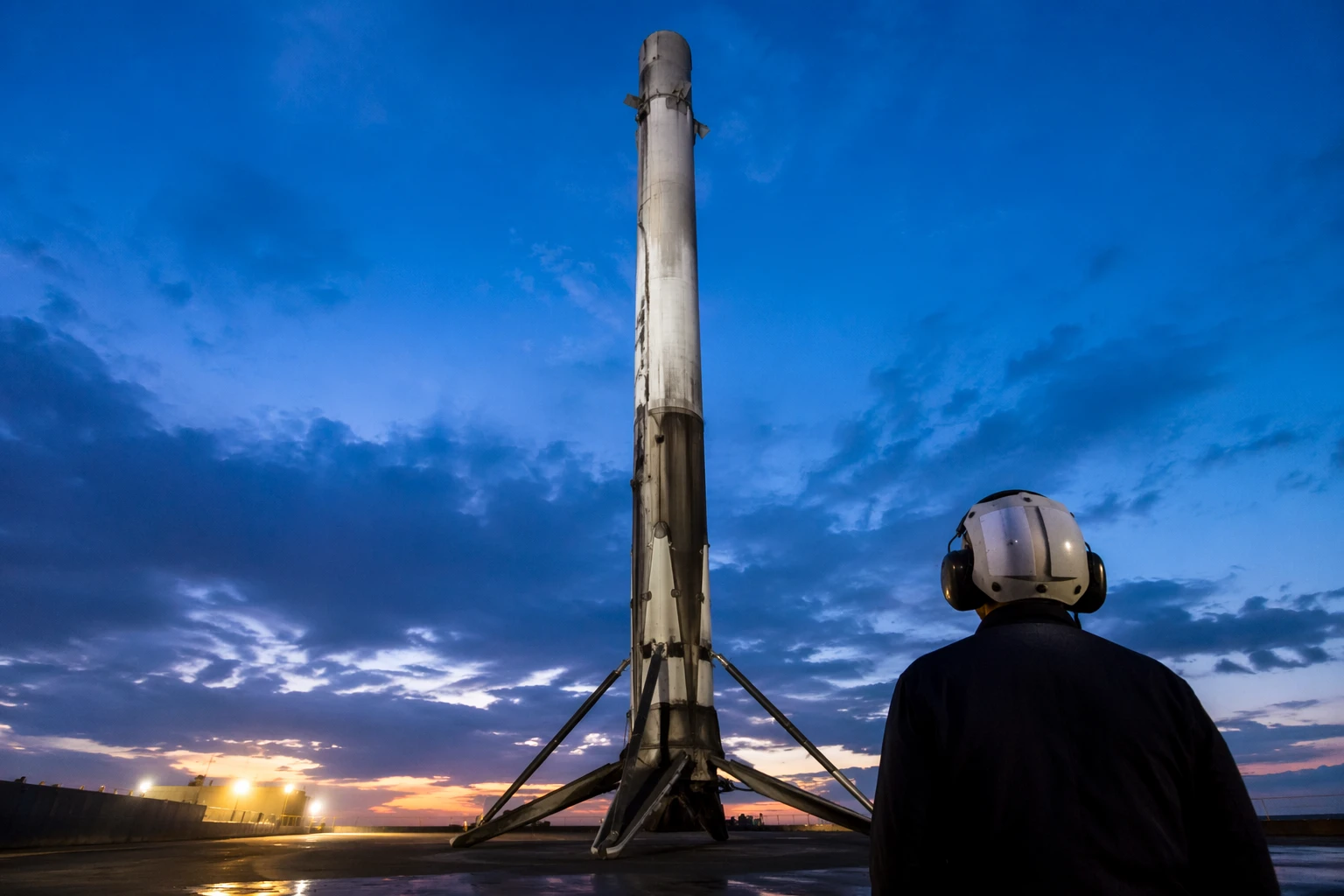
The flight was a clean demonstration of the company’s recovery system. After stage separation, the booster returned to Earth and landed on the drone ship A Shortfall of Gravitas in the Atlantic, extending a record that now belongs not just to one rocket, but to the operating model built around it. SpaceX has turned reuse into a repeatable part of its launch cadence, and the 36-flight mark shows how far that system has moved beyond the experimental phase.
That matters economically because every additional flight on the same booster helps spread development and hardware costs across more launches. The result is lower launch expense per mission, faster turnaround for satellite deployments and more room for SpaceX to keep feeding its Starlink network on schedule. What once would have been treated as a durability test now functions as a production metric, with a single booster moving back and forth between launch and recovery as part of a high-frequency logistics chain.
The milestone also puts pressure on rivals still working to match SpaceX’s reuse depth. The company’s latest record remains well short of NASA’s space shuttle Discovery in total flights, but the comparison underscores how rapidly the commercial benchmark has changed. The question facing the launch market is no longer whether a rocket can be reused at all. It is how many times the same vehicle can fly safely, economically and without slowing the pace of orbital deployment.
For satellite operators, that shift means more frequent access to space and a growing ability to refresh broadband constellations at a speed that would have been unusual only a few years ago. For SpaceX, the 36th flight of B1067 is another proof point that the booster fleet can keep cycling while still supporting one of the most aggressive launch programs in the industry.