Science
SpaceX Steps In: GPS III-9 Satellite Launch Proceeds After Last-Minute Rocket Switch
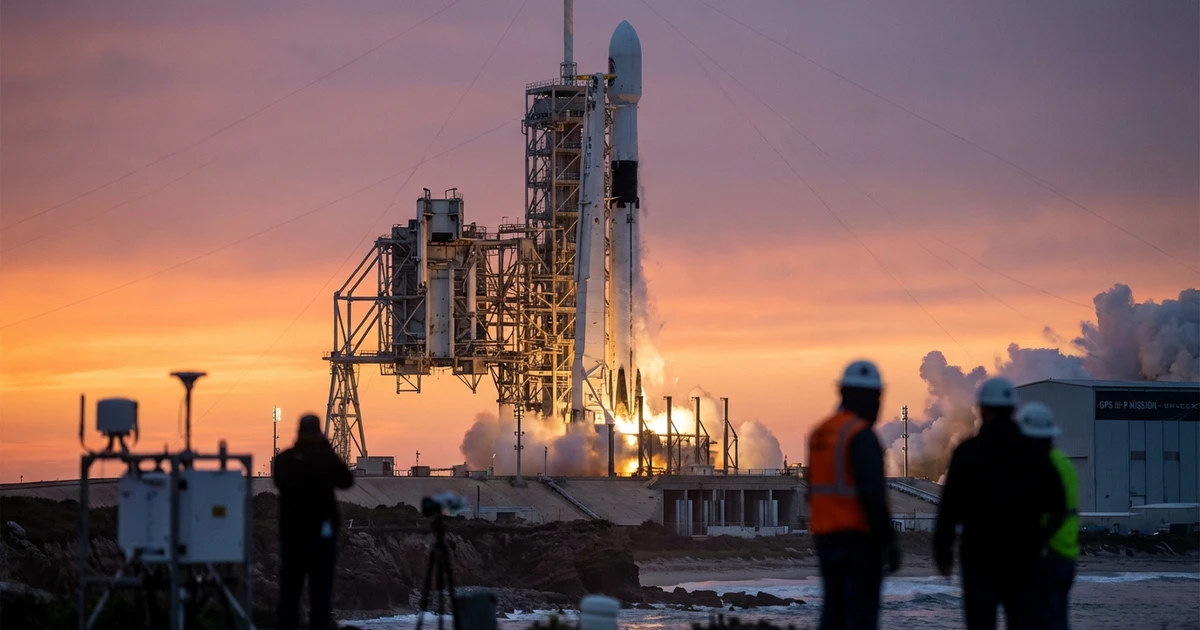
SpaceX has taken over launch duties for the GPS III-9 satellite, stepping in after a late-stage switch from the United Launch Alliance’s (ULA) Vulcan rocket. This move ensures the continued modernization of the U.S. Space Force’s critical global navigation system, with the launch scheduled from Florida’s Cape Canaveral Space Force Station.
The Switch from ULA Vulcan to SpaceX Falcon 9
Originally, the GPS III-9 satellite was slated to launch atop a ULA Vulcan rocket. However, due to undisclosed changes or potential technical issues, the mission was reassigned to SpaceX and its proven Falcon 9 vehicle. Spaceflight Now confirmed the switch as the mission entered its final preparation stages, highlighting SpaceX’s growing role in national security and navigation satellite launches.
Importance of the GPS III-9 Satellite
The GPS III-9 satellite is part of the next-generation U.S. Space Force GPS III constellation. These advanced satellites bring numerous improvements over earlier models, including:
- Enhanced signal accuracy for both military and civilian users
- Greater resistance to jamming and interference
- Increased overall system lifespan and reliability
The GPS network is crucial for global navigation, military operations, and civilian applications—ranging from smartphone mapping to financial systems synchronization.
SpaceX’s Track Record with National Security Launches
This mission further cements SpaceX’s partnership with the U.S. military. The company has previously launched several GPS III satellites, earning trust through successful recoveries, precise orbital insertions, and cost-effective operations. The Falcon 9’s reusable first stage is expected to return for another landing, continuing the trend of reducing launch costs for government clients.
What’s Next for U.S. Navigation Satellites?
The successful deployment of GPS III-9 will keep the GPS constellation at full strength as older satellites are retired. More launches are expected in the coming years, further enhancing the robustness and reliability of the GPS system for both military and civilian users worldwide.
How to Watch
SpaceX will provide a live webcast of the GPS III-9 launch, offering real-time coverage from liftoff through deployment. For updates, visit SpaceX’s official mission page or track the latest on Spaceflight Now.
As the countdown continues, all eyes are on Cape Canaveral for another milestone in space-based navigation and U.S. launch collaboration.