Science
SpaceX Steps In: GPS III-9 Satellite Launch Proceeds After Rocket Switch
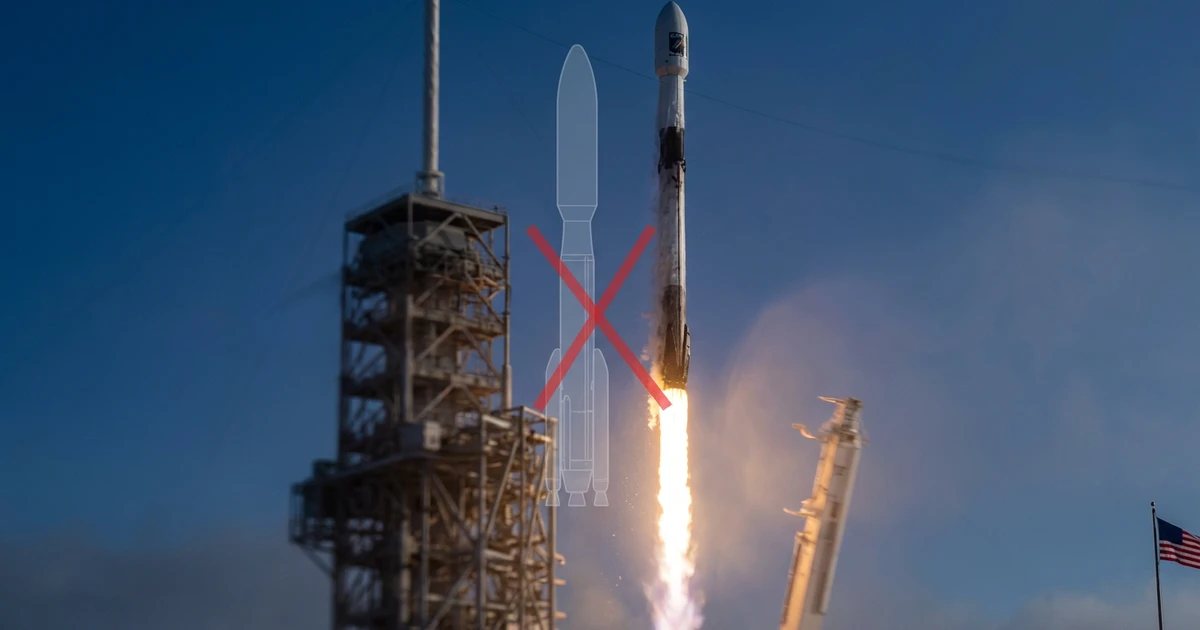
SpaceX is set to launch the advanced GPS III-9 satellite for the United States Space Force, stepping in after a high-profile switch from the ULA Vulcan rocket to the company’s workhorse Falcon 9. The mission, part of the ongoing modernization of the U.S. Global Positioning System, underscores both the pivotal role of commercial launch providers and the importance of reliable access to space for national security.
The GPS III-9 Mission: A Critical Satellite for Modern Navigation
The GPS III-9 satellite is the latest in the U.S. military’s ongoing effort to upgrade its global navigation system. The U.S. Space Force relies on the GPS III series for improved accuracy, advanced anti-jamming capabilities, and longer operational life compared to previous generations. These satellites form the backbone of navigation for both military and civilian users worldwide.
- Improved accuracy: Next-generation atomic clocks provide more precise timing signals.
- Enhanced anti-jamming: Hardened against modern electronic warfare threats.
- Increased lifespan: Designed to operate for up to 15 years or more in orbit.
Why the Rocket Switch Matters
The GPS III-9 was originally scheduled to launch aboard the ULA Vulcan, a new rocket developed by United Launch Alliance. However, due to scheduling and technical considerations, the mission was transferred to SpaceX’s proven Falcon 9. This last-minute switch highlights the competitive dynamics of the U.S. launch industry, where reliability and schedule assurance are paramount for national security missions.
SpaceX’s Falcon 9 has established a track record for on-time launches and successful recoveries, making it an attractive backup when new rockets face developmental delays. The company’s rapid response enabled the Space Force to keep its GPS modernization program on track without significant delay.
SpaceX’s Role in National Security Launches
SpaceX has become a key player in launching critical U.S. military payloads, leveraging its reusable Falcon 9 and Falcon Heavy rockets. The GPS III-9 mission continues a string of high-profile launches for the Department of Defense, expanding the company’s footprint in the security space sector. For the U.S. government, having multiple launch providers ensures redundancy and flexibility as satellite needs evolve.
Looking Ahead: What This Means for U.S. Space Policy
The successful switch from Vulcan to Falcon 9 not only ensures the timely deployment of the GPS III-9 satellite but also signals a new era in government-commercial launch partnerships. As next-generation launch vehicles like Vulcan and SpaceX’s Starship come online, continued coordination and competition will drive innovation, cost efficiency, and mission assurance for critical national assets.
For the public, the launch of GPS III-9 means more robust and reliable global positioning signals for navigation, communications, and emergency response around the world. For the space industry, it’s another milestone marking the shift toward a more dynamic and resilient space launch infrastructure.
For real-time updates and live coverage of the launch, visit Spaceflight Now.