Business
SpaceX stock falls below IPO price despite bullish Wall Street ratings

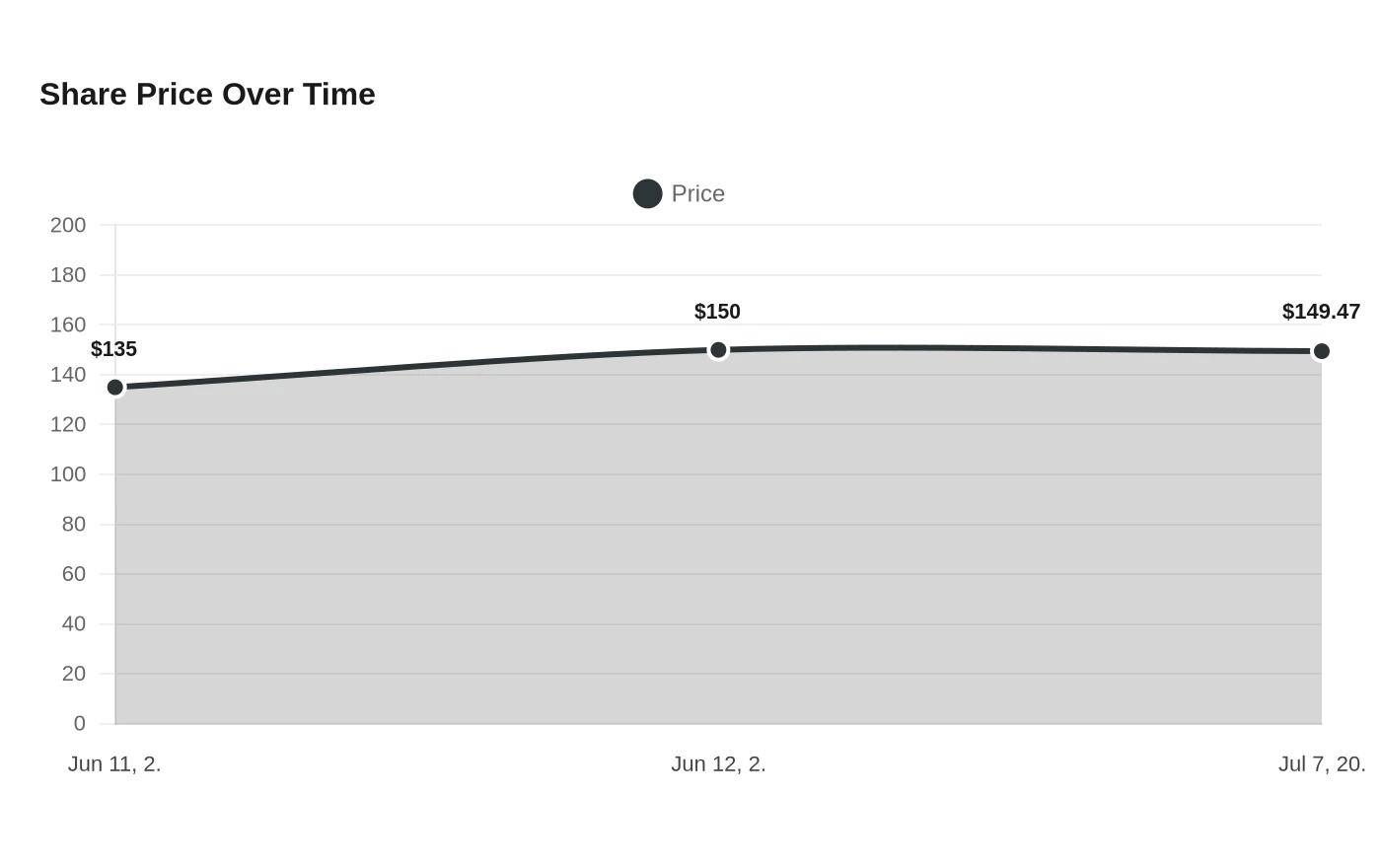
SpaceX shares slipped to about $149.47 on July 7, 2026, falling below the $150 opening price from their first trading day even as Wall Street banks rolled out bullish coverage. The stock was still above the $135 initial public offering price, but the pullback erased much of the early pop that followed the debut. That reversal landed as Nasdaq prepared to add SpaceX to the Nasdaq-100 Index before market open on the same day.
SpaceX priced its IPO at $135.00 per share on June 11, then sold 555,555,555 shares when trading began on June 12 on the Nasdaq Global Select Market and Nasdaq Texas under the ticker SPCX. Underwriters later exercised their full 30-day option for 83,333,333 additional shares, lifting the total issued to 638,888,888 and pushing gross proceeds to about $85.7 billion. SpaceX investor relations later confirmed the pricing announcement and the June 15 closing, after the extra shares were taken up.
At that size, the deal was the largest public offering on record, and the company’s market debut quickly became a test case for how far investors were willing to extend valuations for high-profile growth names. The stock briefly surged after listing, then gave back those gains as the first weeks of trading progressed. By roughly three weeks into life as a public company, the shares had already fallen back through the opening-day level, a more cautious signal than the flood of analyst optimism around the name.
As the post-IPO quiet period ended, banks including J.P. Morgan, Morgan Stanley, Goldman Sachs, BofA Securities, Citigroup, Barclays, Deutsche Bank Securities, RBC Capital Markets, UBS Investment Bank and Wells Fargo Securities began issuing buy-equivalent calls and price targets that pointed to meaningful upside from recent levels. The Nasdaq-100 addition was expected to trigger passive index buying and bring billions of dollars in new demand from benchmark-tracking funds. The gap between that bullish positioning and the softer share price left investors signaling something different from the sell-side message: the market was still weighing valuation, volatility and dilution against the company’s long-duration growth story.