Business
SpaceX surges past Amazon as IPO frenzy lifts valuation
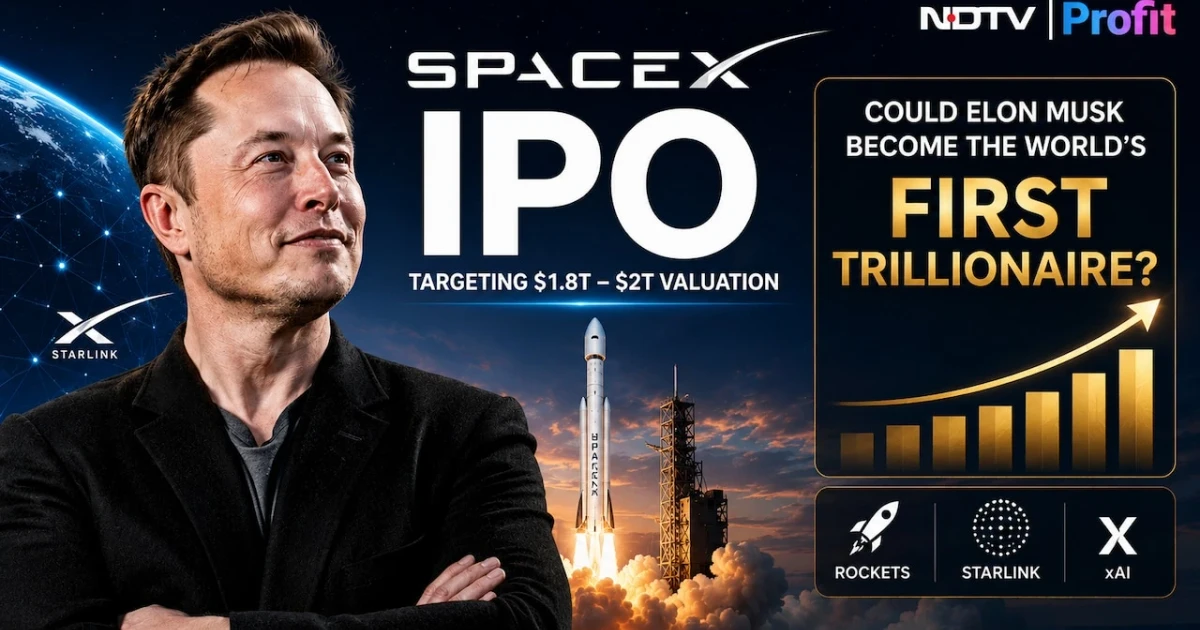
SpaceX’s market debut has done more than mint another towering valuation. It has pushed the company past Amazon in market cap and signaled that investors now see launch systems, orbital infrastructure, and strategic control of space-adjacent technologies as the next durable monopoly.
The scale was striking from the start. The Washington Post editorial board called the offering “the most audacious IPO in history” and put SpaceX at $1.77 trillion. Barron’s reported that SpaceX priced its record-setting offering at $135 a share and closed Friday at $160.95, a first-day surge that carried into a third day of gains as retail buyers piled in. That kind of demand is usually reserved for the rarest public-market stories, and it underscored how quickly money can chase a company whose business reaches far beyond rockets.
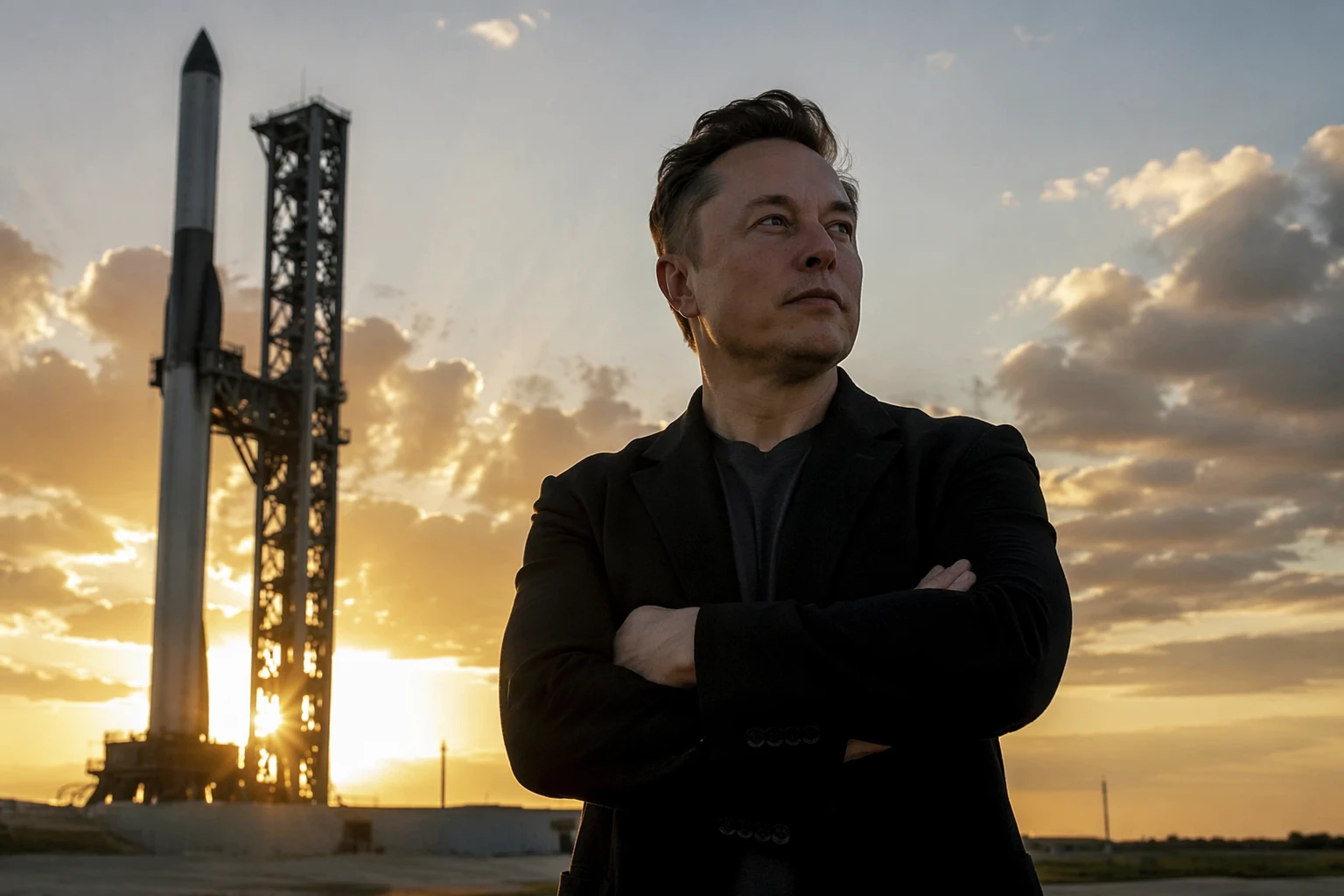
The valuation reshaped the math around Elon Musk almost immediately. The Washington Post reported on June 12, 2026 that Musk’s net worth rose above $1 trillion after the market debut, making him the first trillionaire. The same coverage said the offering was the largest in history and greatly expanded Musk’s influence across artificial intelligence and the broader economy. SpaceX is now being priced not simply as a launch operator, but as a platform with leverage over communications, compute, defense relevance, and the physical layer of the internet.

That shift helps explain why Amazon is now the comparison point. For years, public markets rewarded scale in retail logistics and cloud computing. SpaceX’s rise suggests capital is moving toward businesses that control scarce infrastructure and difficult-to-replicate capability: access to orbit, launch cadence, and the systems that support AI at the edge of the network. Barron’s also reported that SpaceX is buying AI agent Cursor for $60 billion, a move that fits the broader race with Anthropic and OpenAI rather than any narrow aerospace play.
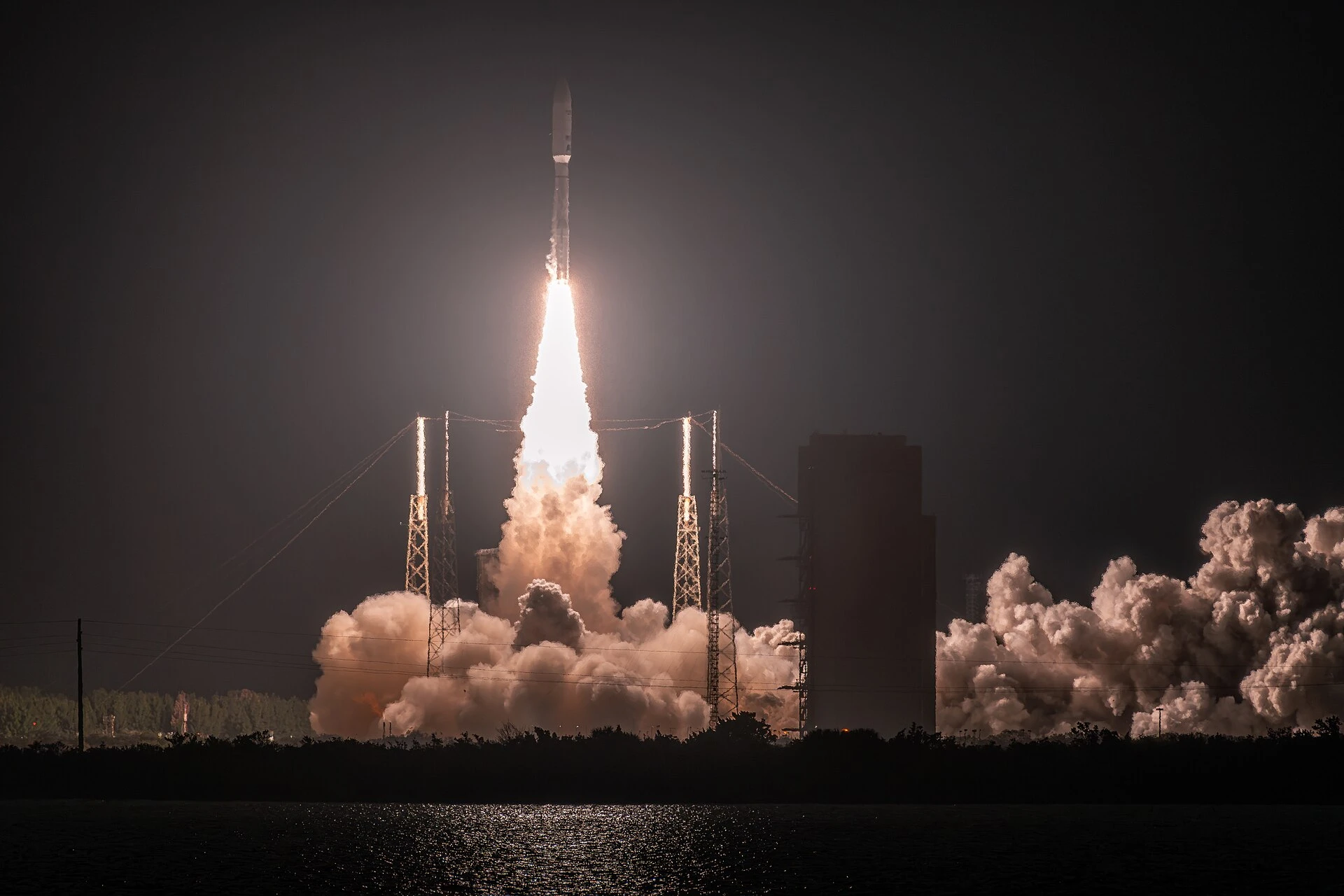
The exuberance is not confined to SpaceX. Barron’s said OpenAI, Anthropic, and SpaceX are preparing stock listings that could create nearly $4 trillion in combined market value, a number that captures the scale of the current AI-and-space boom. If the market is right, the next great strategic monopoly may not be built on shelf space or server farms alone, but on the infrastructure that moves intelligence, data, and hardware between Earth and orbit.
Sources
- [1]news.google.com
- [2]washingtonpost.com
- [3]barrons.com