Technology
SpaceX's next Starship test will deploy new Starlink satellites
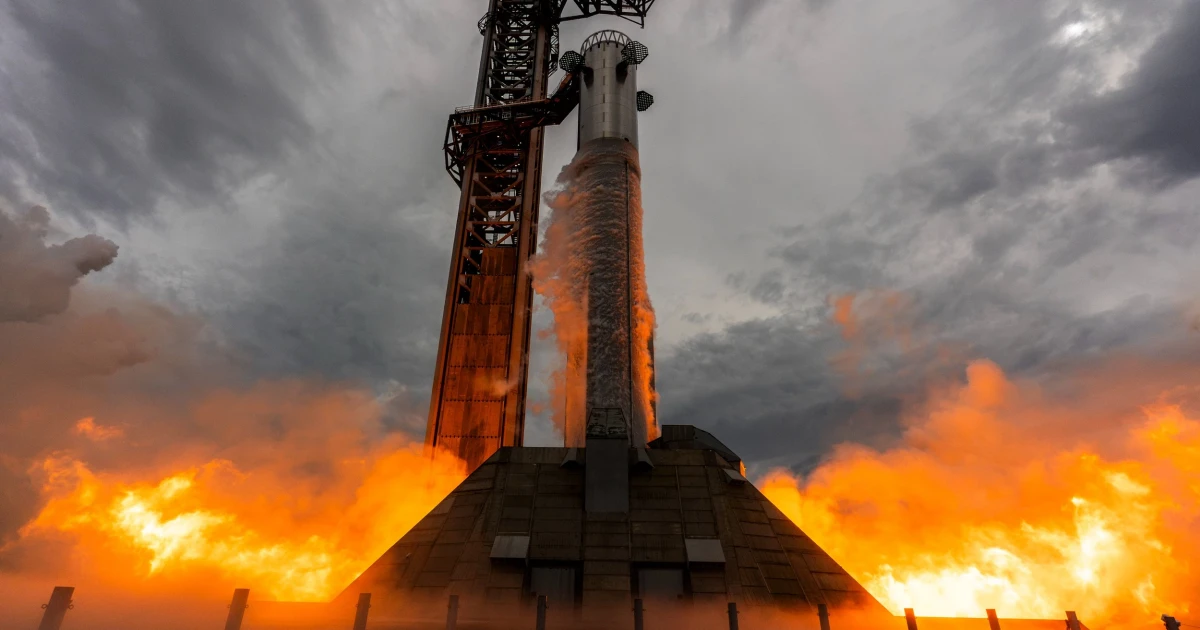
SpaceX currently lists Thursday, July 16, 2026, for Starship’s Thirteenth Flight Test, a launch that will carry next-generation Starlink V3 satellites for the first time. The company says the mission will pursue similar objectives to the previous test while adding the first in-orbit deployment of the new satellite version, a clearer measure of whether Starship is moving from developmental spectacle toward routine payload work.
The upcoming flight comes less than two months after Starship’s Twelfth Flight Test lifted off from Starbase, Texas, on Friday, May 22, 2026, at 5:30 p.m. CT. That flight was the first run of the Starship and Super Heavy V3 vehicles, the first use of Raptor 3 engines, the first launch from Pad 2, and the first Starship flight to deploy modified Starlink satellites for in-space imaging. Those milestones matter because they show how much of SpaceX’s next-generation stack was still being introduced one step at a time, rather than proven all at once.
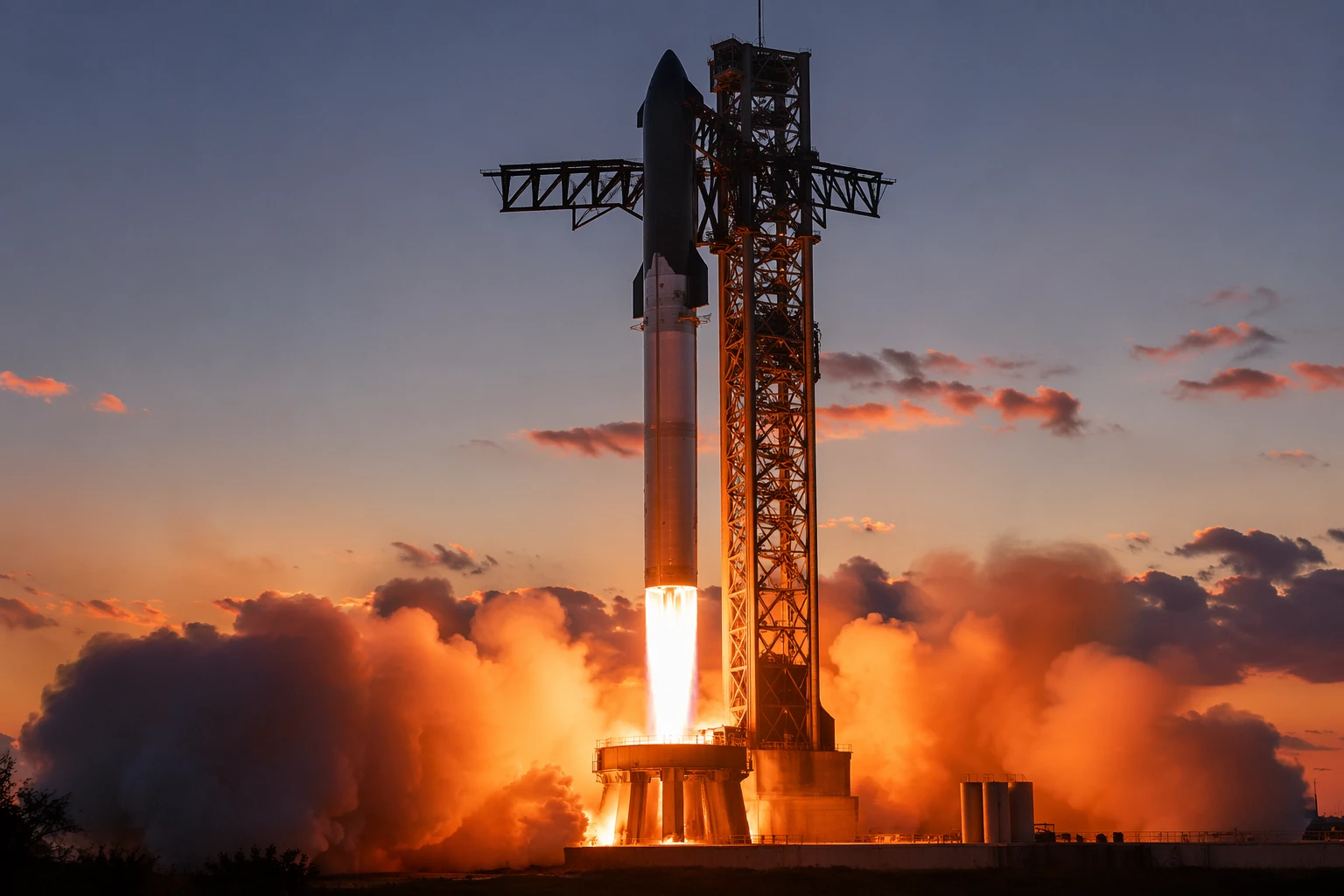
SpaceX describes Starship V3 as the third generation of Starship and Super Heavy, powered by Raptor 3 and launched from an entirely new pad. The Super Heavy V3 booster now has three grid fins instead of four, with each fin 50 percent larger and significantly stronger, a change aimed at controlling a bigger booster through reentry and landing. Starship itself is designed to carry more than 100 metric tonnes to orbit in a fully reusable configuration, a claim that will only gain weight if the vehicle can keep repeating flight objectives while carrying real operational payloads.

The Starlink V3 deployment is the clearest near-term business test. SpaceX says each launch of the more powerful V3 satellites will add more than 20 times the capacity to the constellation as current Falcon launches of V2 Starlink satellites. That makes the July flight more than another test hop: it is a check on whether the vehicle can support the company’s broadband buildout at scale, not just its long-range Mars narrative.
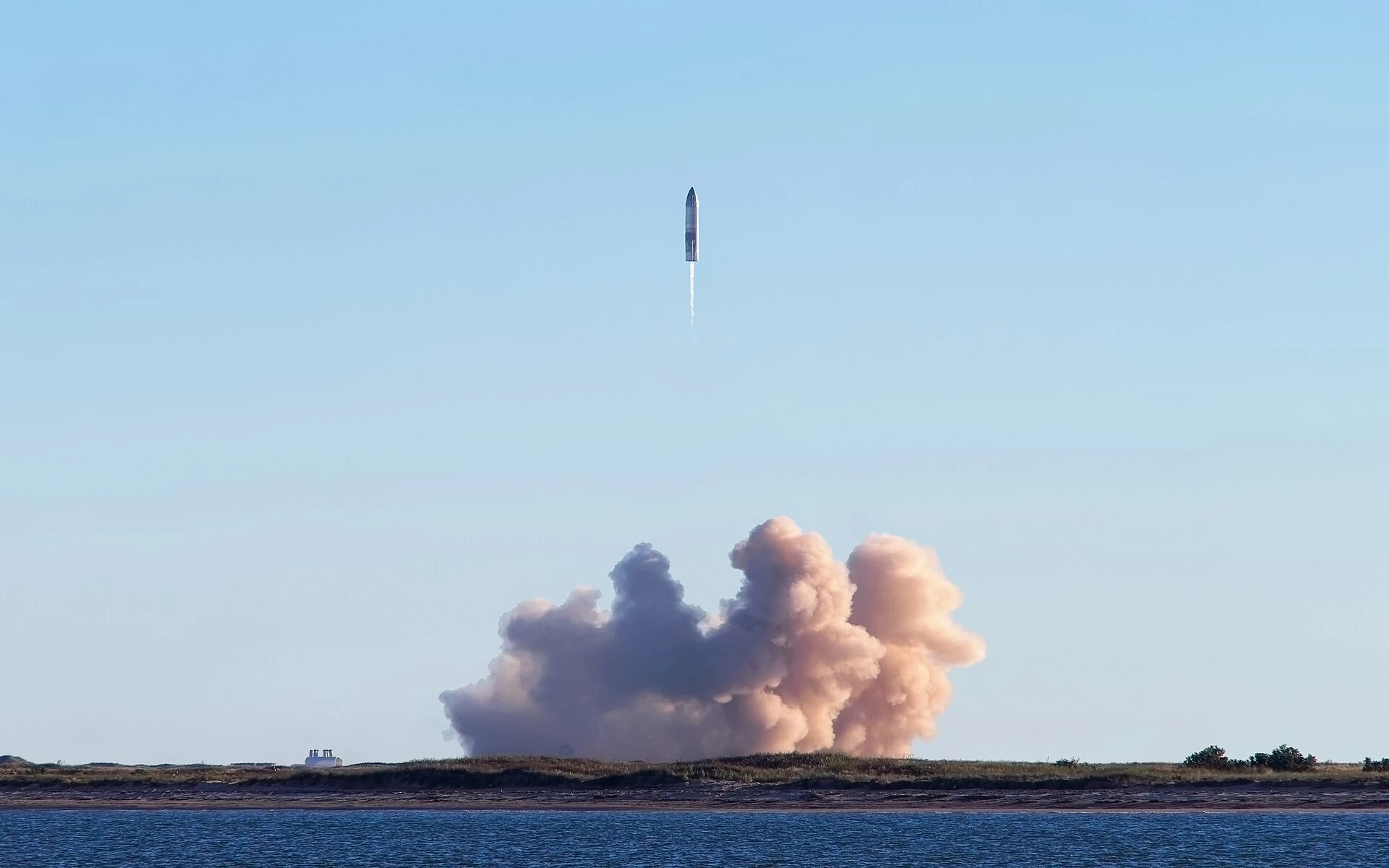
SpaceX also says launch schedules for developmental testing are dynamic and likely to change. That caution is part of the record too, because the gap between promised capability and operational reliability is still the central question around Starship, even as the company moves to its next launch attempt.
Sources
- [1]arstechnica.com
- [2]spacex.com