Sports
Spain builds World Cup culture of roles over star power
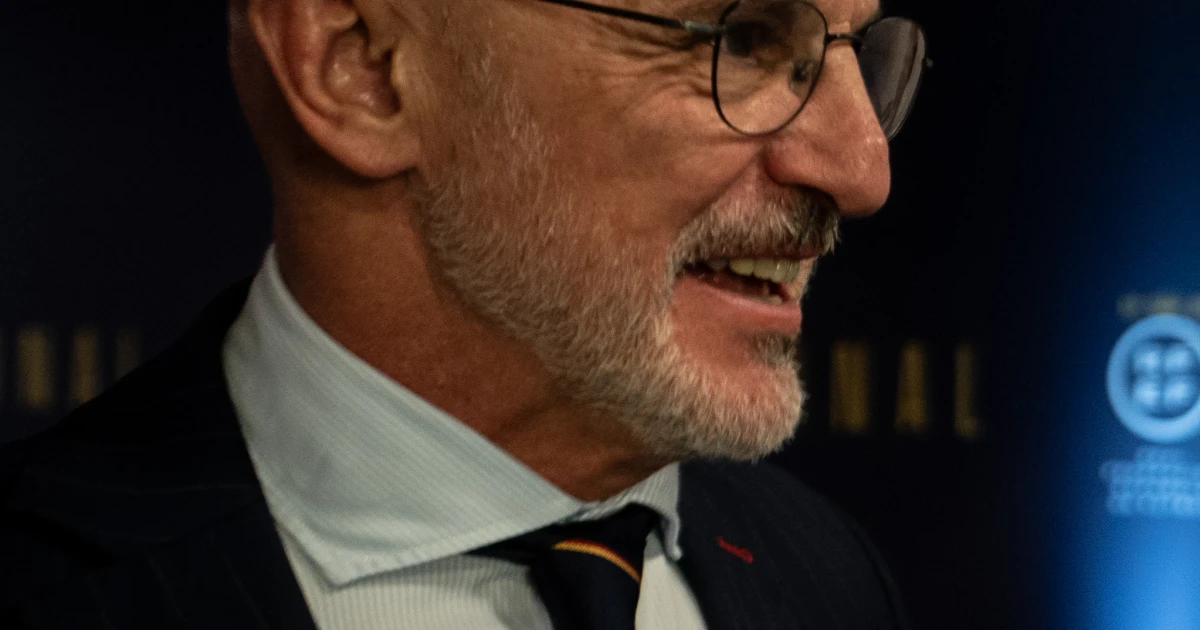
Spain has turned its World Cup message into a competitive weapon: the shirt matters more than the star turn. Under Luis de la Fuente, the reigning European champion is selling a simple idea that keeps showing up in results, selections and recovery stories: accept your role, trust the group, and the talent will travel farther.
De la Fuente has built the hierarchy
De la Fuente has led Spain since December 2022, and the line he has drawn inside the camp is unmistakable. The collective, he has said, must come before the individual, because talent alone is enough to win matches but not tournaments. That is not just a slogan for the media cycle. It has become the standard Spain uses to organize the squad around responsibility rather than status.
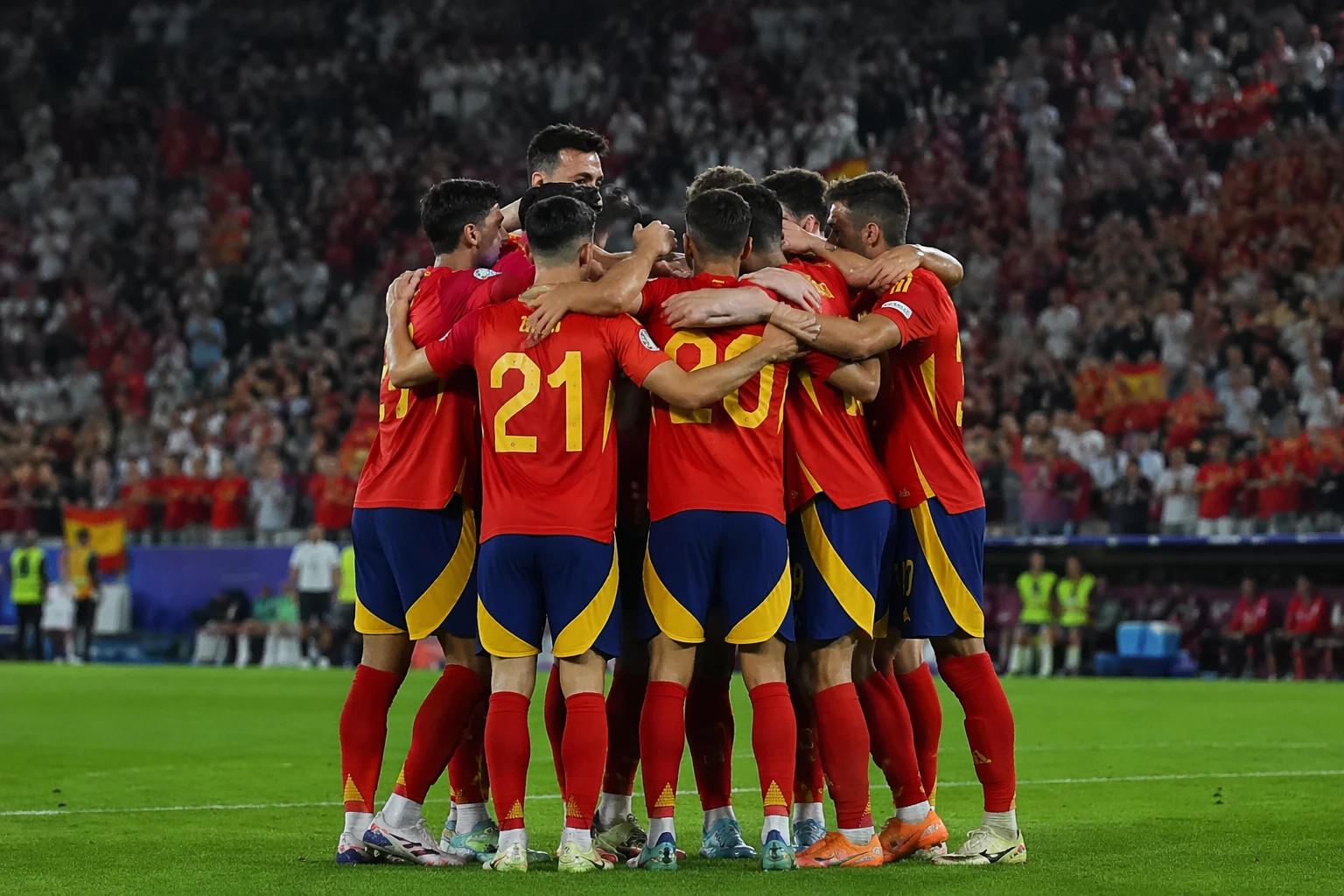
The payoff has been immediate and concrete. Spain won the UEFA Nations League in 2023 and followed it by claiming UEFA EURO 2024, a title that made the country the first national team to reach four European crowns. Those trophies matter here because they were won with a structure that asked players to fit a plan rather than the other way around. De la Fuente’s approach has made role acceptance feel like a competitive advantage, not a sacrifice.
Role clarity is the message inside the dressing room
Marc Cucurella has become one of the clearest public voices for that culture. When he returned to the national team in March 2024, he emphasized that it does not really matter who starts and who waits, because everyone knows what is expected of them. That is the essence of Spain’s current model: the value of a player is measured not by the spotlight but by how reliably he can execute a task when called upon.
Mikel Merino’s path back into the setup shows the same logic from a different angle. On 25 January 2026, a stress fracture in his right foot put his season on hold and threatened his place at the 2026 World Cup. He recovered, returned to action with Arsenal in May, and worked his way into the final picture. In a star-led team, a setback like that can become a status problem; in Spain’s model, it became a test of readiness and discipline.
The squad proves the point before the first whistle
Spain’s 26-man World Cup squad was announced by FIFA on 25 May 2026, and the list reflects the balance De la Fuente has tried to protect. It includes headline names such as Lamine Yamal, Rodri, Pedri, Fabián Ruiz, Mikel Merino, Marc Cucurella, David Raya, Mikel Oyarzabal and Dani Olmo. The names are familiar, but the story is not about celebrity accumulation. It is about how those players are expected to coexist inside a system where no one is asked to dominate every phase of play.
The results behind that selection support the same reading. FIFA noted that Spain went 18 matches unbeaten in the stretch being tracked, with the last competitive defeat before that run coming against Scotland on 28 March 2023. That kind of sequence matters because it shows the model holding up over time, against different opponents and under different pressures. Spain is not simply winning with bursts of brilliance; it is building repeatable habits.
The tournament setting rewards that depth
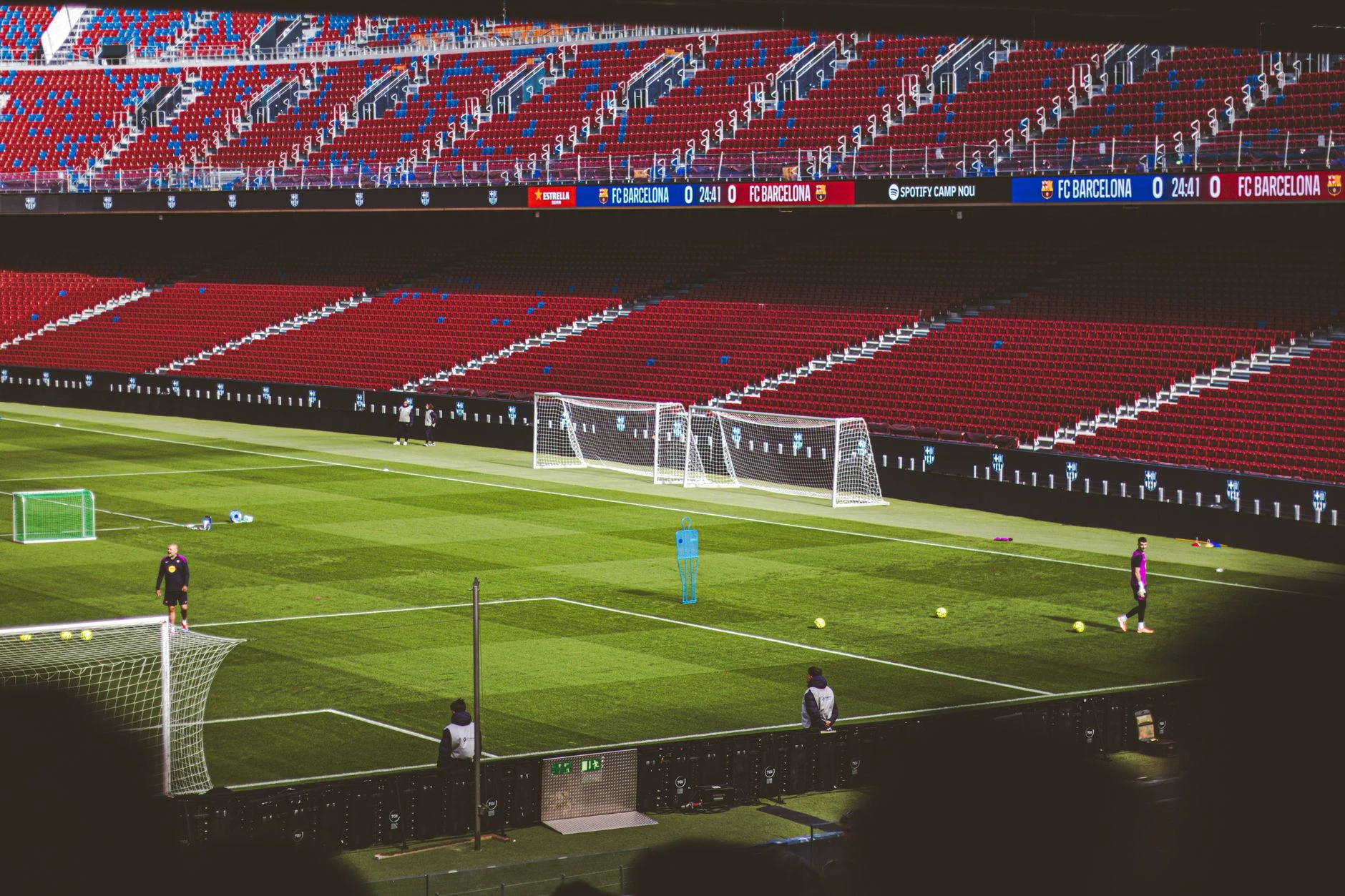
Spain begins the 2026 World Cup in Group H and opened its campaign against Cabo Verde on 15 June 2026 in Atlanta. The team is also using Chattanooga as its concentration base, a reminder that modern tournament success depends on the quiet work done away from the cameras. Travel, recovery, and training rhythm are all part of the same discipline that De la Fuente keeps insisting on.
That off-field structure is reinforced by the federation’s own storytelling. The RFEF has leaned into the collective identity through its World Cup content, including the documentary series A Team Called Spain, presented in November 2024 and built around the EURO 2024 triumph. The message is consistent: Spain’s strength comes from the idea that every player accepts the part assigned to him and trusts the next man to do his.
Why the message resonates beyond the locker room
The public appetite for this version of Spain is enormous. The RFEF said 69.8 million viewers in Europe watched Spain’s first three EURO 2024 matches, with Spain-Italy drawing the biggest audience of the trio. That level of attention helps explain why the team’s internal culture has become a national talking point. When a side wins while foregrounding duty over ego, the message travels well beyond football.
That is why Spain’s 2026 World Cup campaign feels like more than another run with talented players. It is a case study in how a national team can organize itself around clarity, sacrifice and depth, then let the results validate the method. With De la Fuente in charge, Spain is not advertising star power first. It is selling order, roles and collective discipline as the route to lasting success.
Sources
- [1]telemundo.com
- [2]fifa.com
- [3]rfef.es
- [4]uefa.com