Science
Spain conservationists tag 600 flamingo chicks at Malaga lagoon
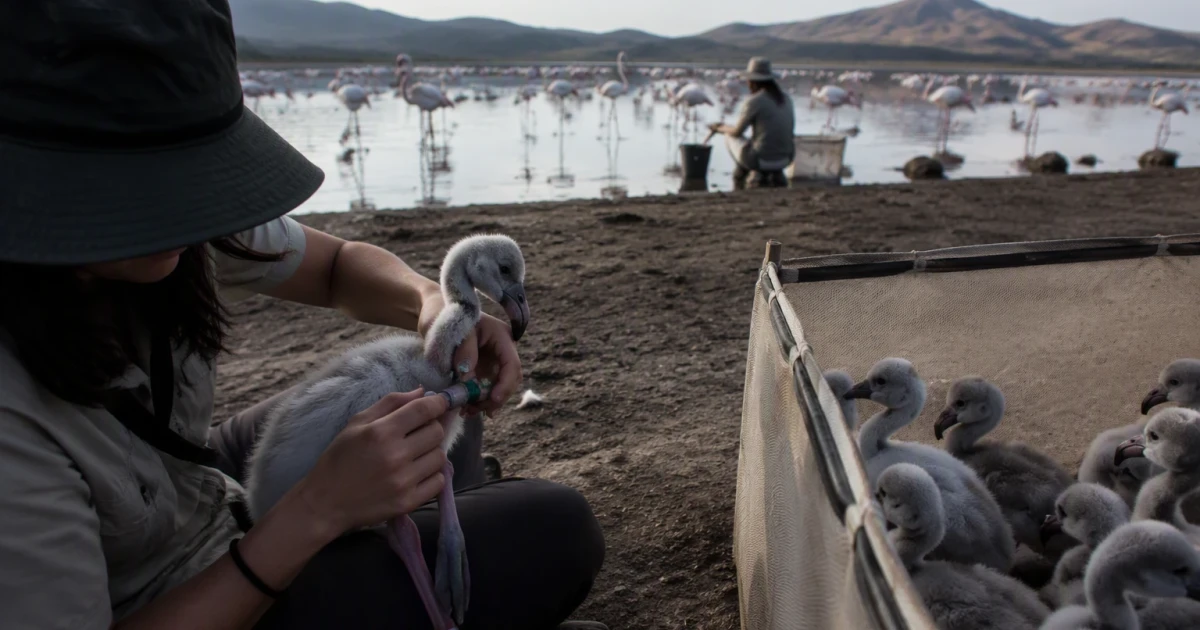
Volunteers in southern Spain ringed 600 flamingo chicks at Fuente de Piedra Natural Reserve near Malaga, in a dawn operation that turned one of Europe’s biggest breeding colonies into a live conservation laboratory. About 400 volunteers crossed the lagoon to gather the chicks, which were measured, tagged and returned to the water in a carefully organized effort that also marked the 40th anniversary of the ringing program at the site.
The chicks were handled in a way designed to give scientists more than a count. The identity rings allow conservationists to follow where young flamingos survive, where they migrate and how well the colony is reproducing from one season to the next. That kind of monitoring matters at Fuente de Piedra because flamingos depend on wetlands that can shift quickly under drought, salinity changes, pollution and human disturbance.
The lagoon’s importance has only grown as Spain’s south has endured repeated dry spells. In 2023, the lagoon popular with breeding flamingos dried up as drought persisted, and reporting from the region said the lack of water had already forced flamingos to hatch chicks elsewhere in the southern wetlands. Fuente de Piedra wetlands in Malaga province were declared a natural reserve in 1984, underscoring how long the site has been treated as a protected stronghold for the species.
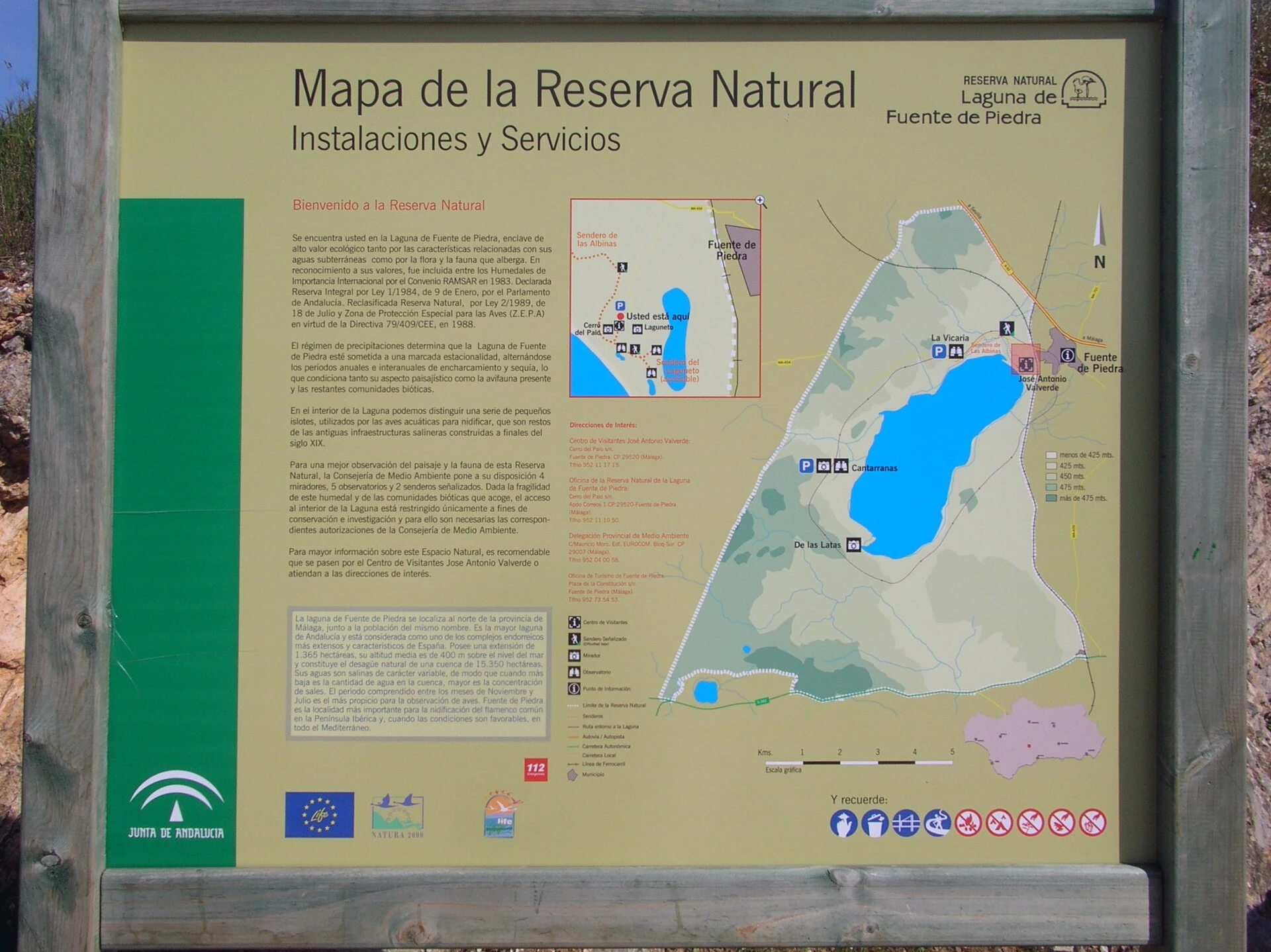
The ringing itself has become a recurring measure of that strain. In 2022, flamingo ringing returned to Fuente de Piedra after a two-year interruption caused first by the pandemic and then by a lack of water, and 600 chicks were marked that year as part of the same long-term tracking effort. That season, more than 3,700 flamingo offspring had been born at the reserve, a sign that the lagoon can still produce large numbers when conditions allow.
The 2026 operation also carried a historical note: the first flamingo ring at Fuente de Piedra was placed 40 years ago, and many of those birds are now 40 years old. For conservationists, that longevity is exactly the point. Each marked chick becomes part of a record that can show whether the colony is holding steady, slipping under environmental stress or shifting across borders as Europe’s wetlands come under greater pressure from heat and water scarcity.
Sources
- [1]reuters.com
- [2]reutersconnect.com
- [3]bbc.com
- [4]surinenglish.com
- [5]facebook.com
- [6]youtube.com