World
Spain deploys troops as thousands of migrants flood Ceuta
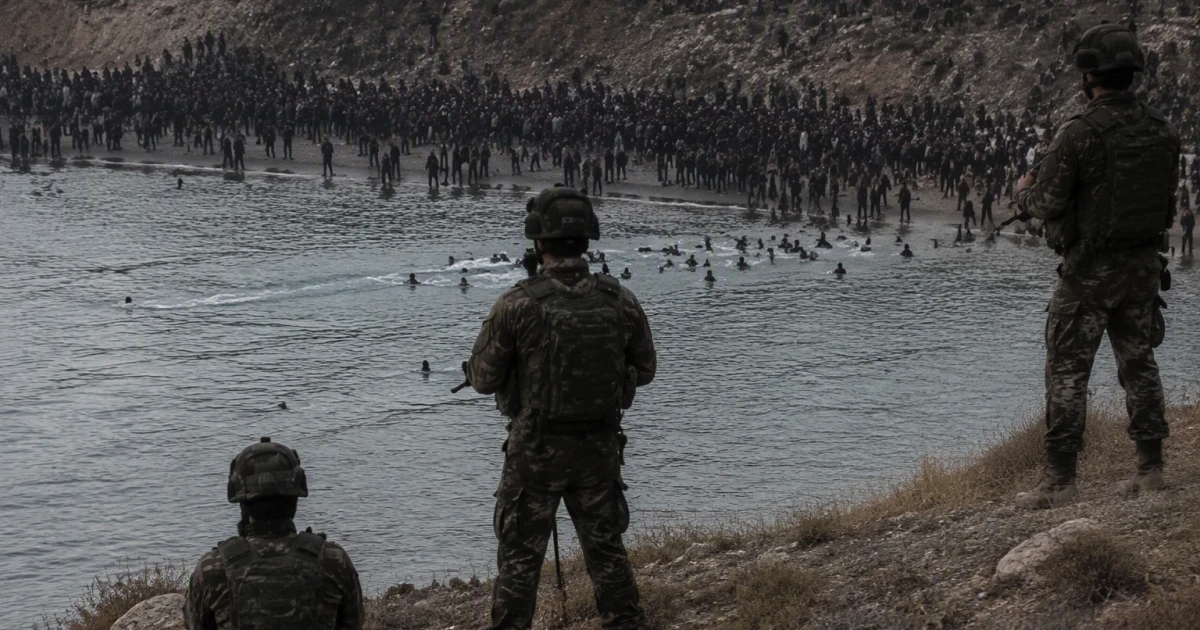
Spain reinforced its North African enclave of Ceuta with troops and police after a surge that brought about 60,000 migrants across the border from Morocco, a crossing that left at least 18 people dead and overwhelmed local authorities. Spanish Prime Minister Pedro Sánchez called the episode a violation of Spain’s territorial integrity.
Ceuta, a Spanish enclave on the Mediterranean coast facing Morocco, became the focus of a crisis that was measured not only in head counts but in political pressure. BBC News estimated that about 49,000 migrants entered in the previous 24 hours by land and sea, while later estimates put the total at up to 60,000. Some swam into the enclave; others scrambled over border barriers, often using inflatable rings and flotation devices.
The response on the ground was immediate. Spanish police and military units were deployed to Ceuta, and Interior Minister Fernando Grande-Marlaska was expected to visit the enclave. Juan Jesús Vivas, the local leader in Ceuta, said the influx was overwhelming resources and urged Madrid to intervene. The city’s hospitals, shelters and border personnel were forced to absorb a sudden rise that spread across beaches, roads and frontier fencing.
The episode also laid bare a wider bargaining power that Morocco holds over Spain and, by extension, the European Union. Ceuta and Melilla, Spain’s other enclave in North Africa, have long sat at the center of disputes over migration control, border policing and diplomatic friction. When Morocco loosens or tightens pressure at the frontier, the effect reaches far beyond a local crossing point and into Spain’s ability to manage one of Europe’s most sensitive migration routes.
The surge did not appear out of nowhere. A Reuters follow-up said social media rumours and economic hardship helped fuel the crossings, as desperate migrants pushed toward the enclave from Morocco. In the days that followed, many of those who had entered Ceuta began trickling back into Morocco as the immediate crisis eased, though the episode left behind a stark reminder of how quickly a border can become a geopolitical fault line. Earlier coverage had already shown how volatile the crossing could be, including a May 18 incident in which Spanish police dispersed a record 8,000 migrants at the Ceuta border.
Sources
- [1]bbc.co.uk
- [2]reuters.com
- [3]bbc.com
- [4]itv.com