World
Spain NGOs rush undocumented migrants to apply before regularisation deadline
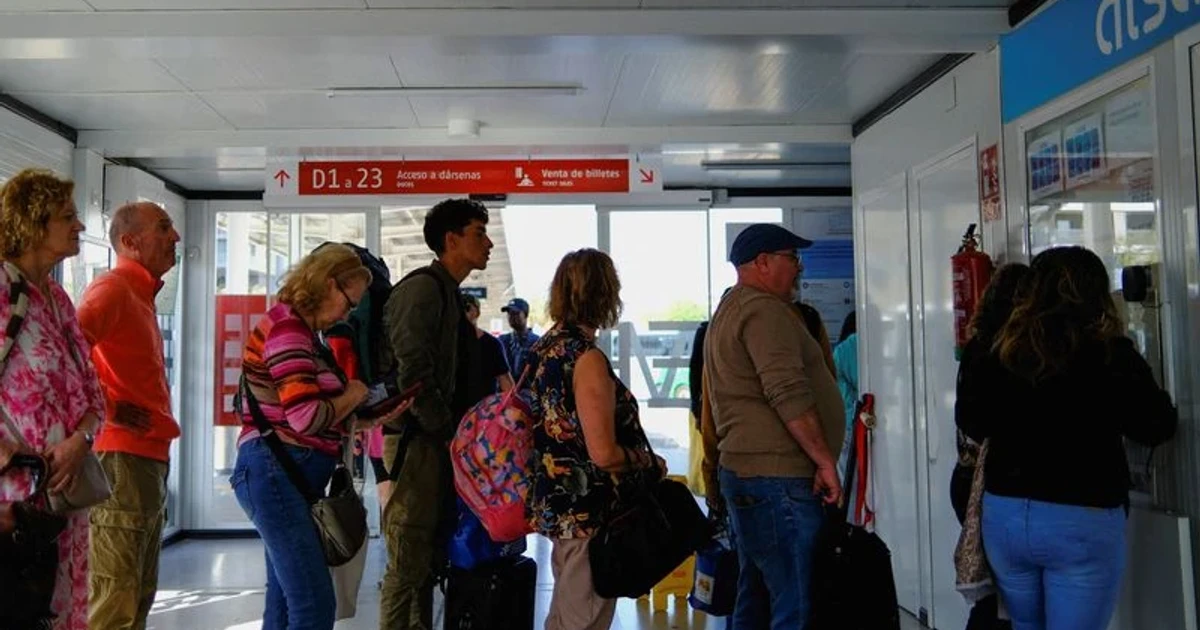
Spain's immigration charities are spending the final hours before Tuesday's cutoff helping undocumented migrants file for a mass regularisation scheme that has already drawn about a million applications. CEAR and Cepaim have urged people to submit even if they are still waiting for documents from home countries such as Mali, Iran or Venezuela.
The extraordinary process was approved by the Council of Ministers on 14 April, published in the Boletín Oficial del Estado on 15 April and took effect the next day. The Ministry of Inclusion, Social Security and Migration opened applications online on 16 April, then added in-person office support from 20 April, along with FAQs, videos, an eligibility simulator and a list of collaborating entities to help applicants navigate the paperwork.

Under the rules set out by La Moncloa, applicants had to show they were living in Spain before 31 December 2025, prove at least five months of continuous residence and present a clean criminal record. The permit granted through the scheme gives the right to work in any sector and anywhere in Spain for one year, a design meant to regularise people already living in the country rather than create a new migration channel.
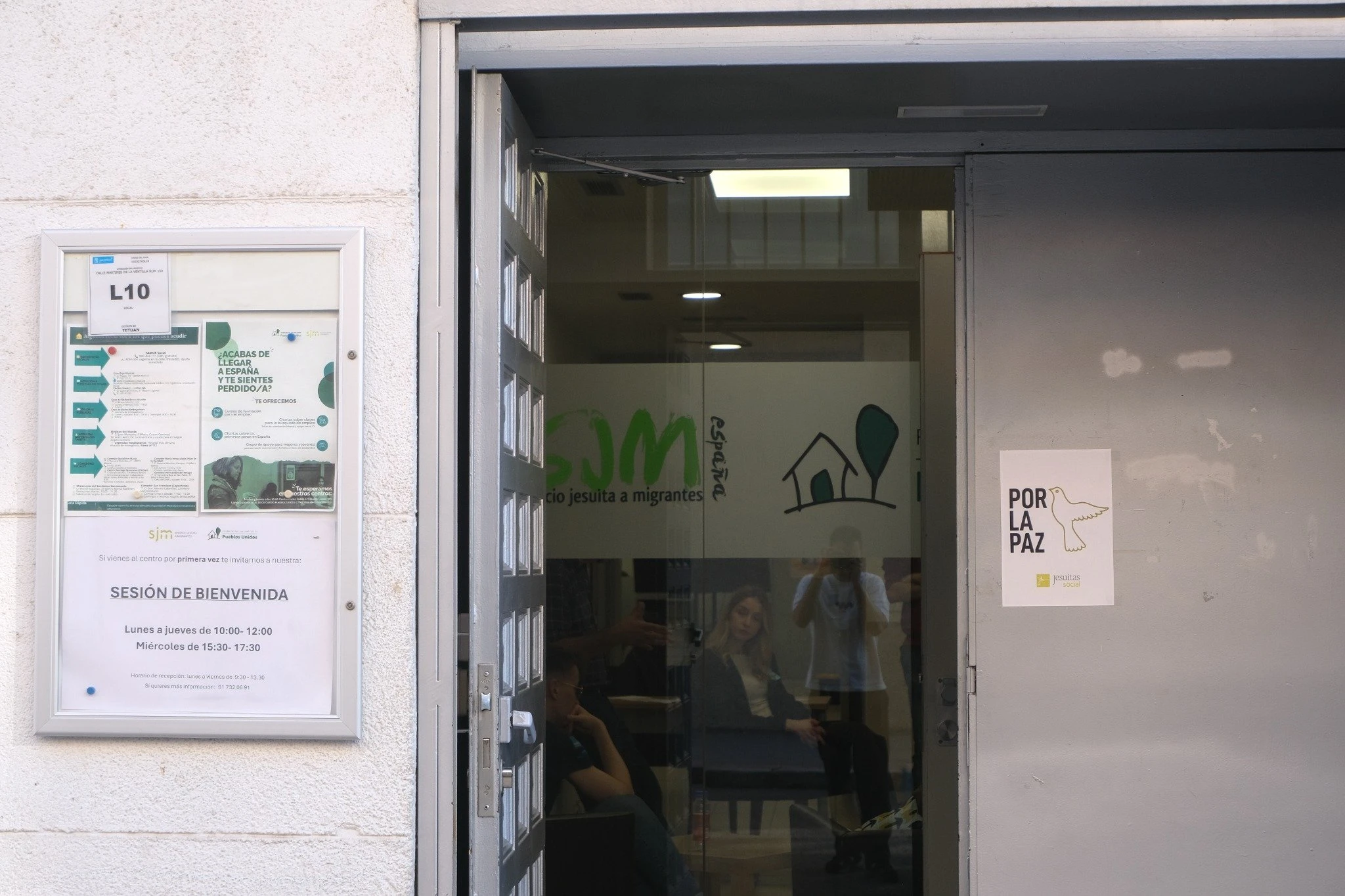
The pressure around the deadline reflects a wider administrative bottleneck. Migration groups say it can take more than a year to obtain legal status in Spain, while roughly 840,000 people are estimated to work off the books. Bringing even a share of them into the formal economy would tighten labour supply in sectors that already rely heavily on foreign workers, especially those from outside the European Union.
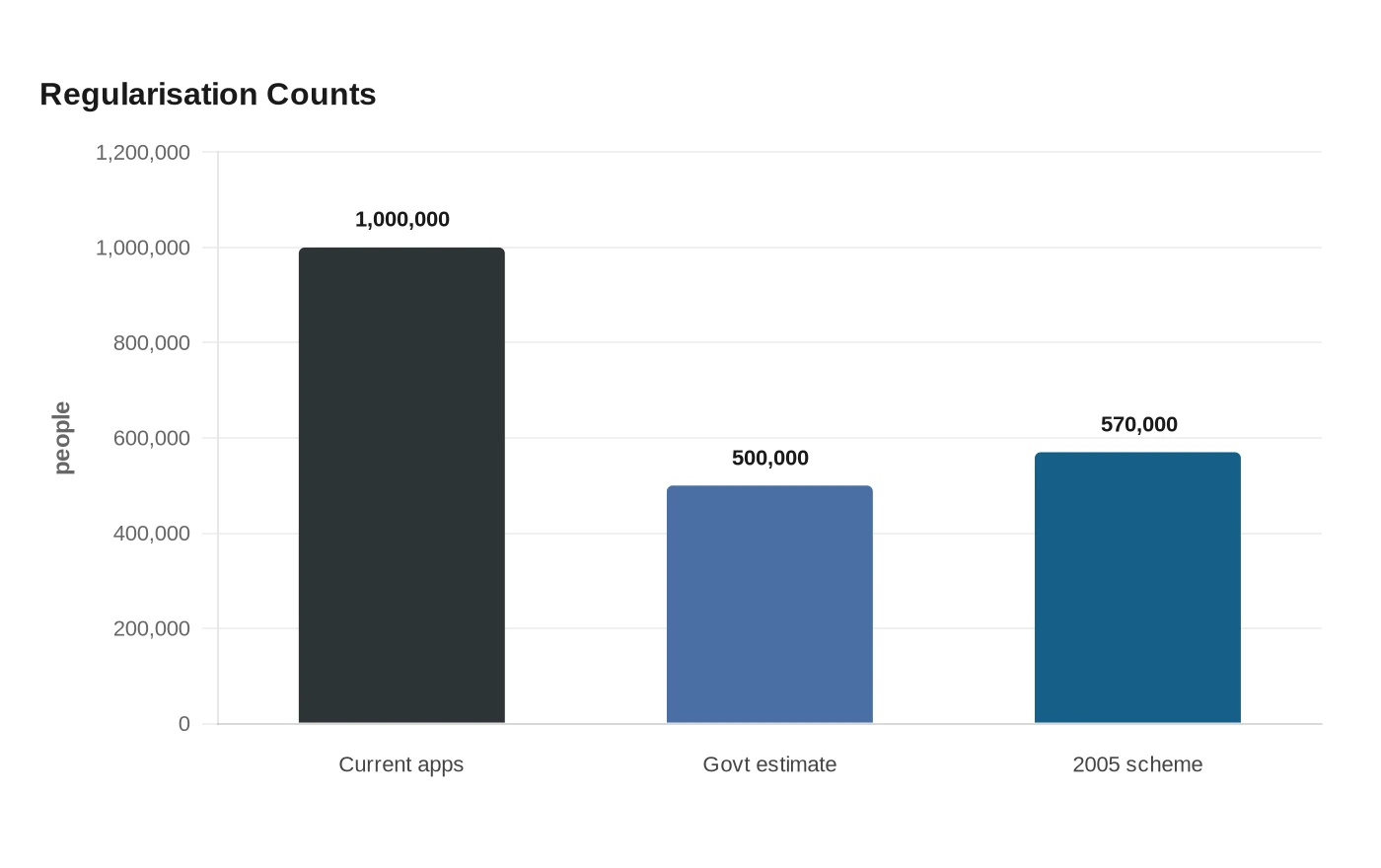
The government initially expected about 500,000 applications, so the current tally is roughly double that estimate. It is Spain's first mass regularisation in 21 years, and the last major one in 2005 brought legal status to more than 570,000 undocumented migrants under José Luis Rodríguez Zapatero. Pedro Sánchez's government has tied the current drive to its Plan for Intercultural Integration and Coexistence, arguing that it recognises people already rooted in Spain at a moment when the country's labour market still leans on migrant labour.
Sources
- [1]wsau.com
- [2]usnews.com
- [3]lamoncloa.gob.es
- [4]boe.es
- [5]inclusion.gob.es
- [6]eures.europa.eu
- [7]theconversation.com
- [8]english.elpais.com