World
Spain wildfire death toll rises to 12 in Andalusia blaze
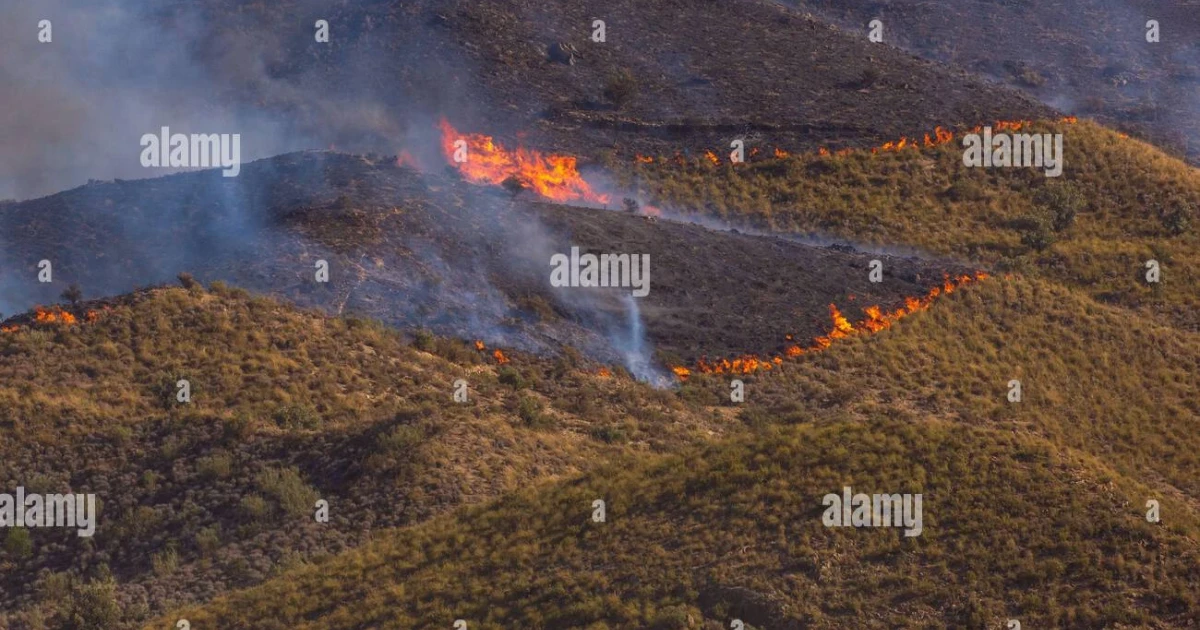
The death toll from the Los Gallardos wildfire in Almería province climbed to 12 by Friday morning, after six more victims were found dead in the fire zone. Some of the dead were discovered inside burnt vehicles, a sign of how quickly the flames cut off escape routes in rural parts of Andalusia.
At least six other people were injured, including one person with burns and another with smoke inhalation who were taken to hospital. Around 150 firefighters, backed by five fire trucks, worked through the blaze as Spain’s Military Emergencies Unit prepared to join the response, underscoring how stretched civil-protection resources can become when fire moves faster than crews can build containment lines.
The fire broke out on Thursday afternoon, July 9, 2026, in a landscape primed to burn. Temperatures were near 40C during a major heatwave, and witnesses said a fallen power line may have ignited dry vegetation, though authorities had not confirmed the cause. In southern Spain, that combination of extreme heat, dried-out fuels and exposed terrain can leave residents with only a narrow evacuation window, especially in smaller settlements such as Los Gallardos and nearby Bedar.
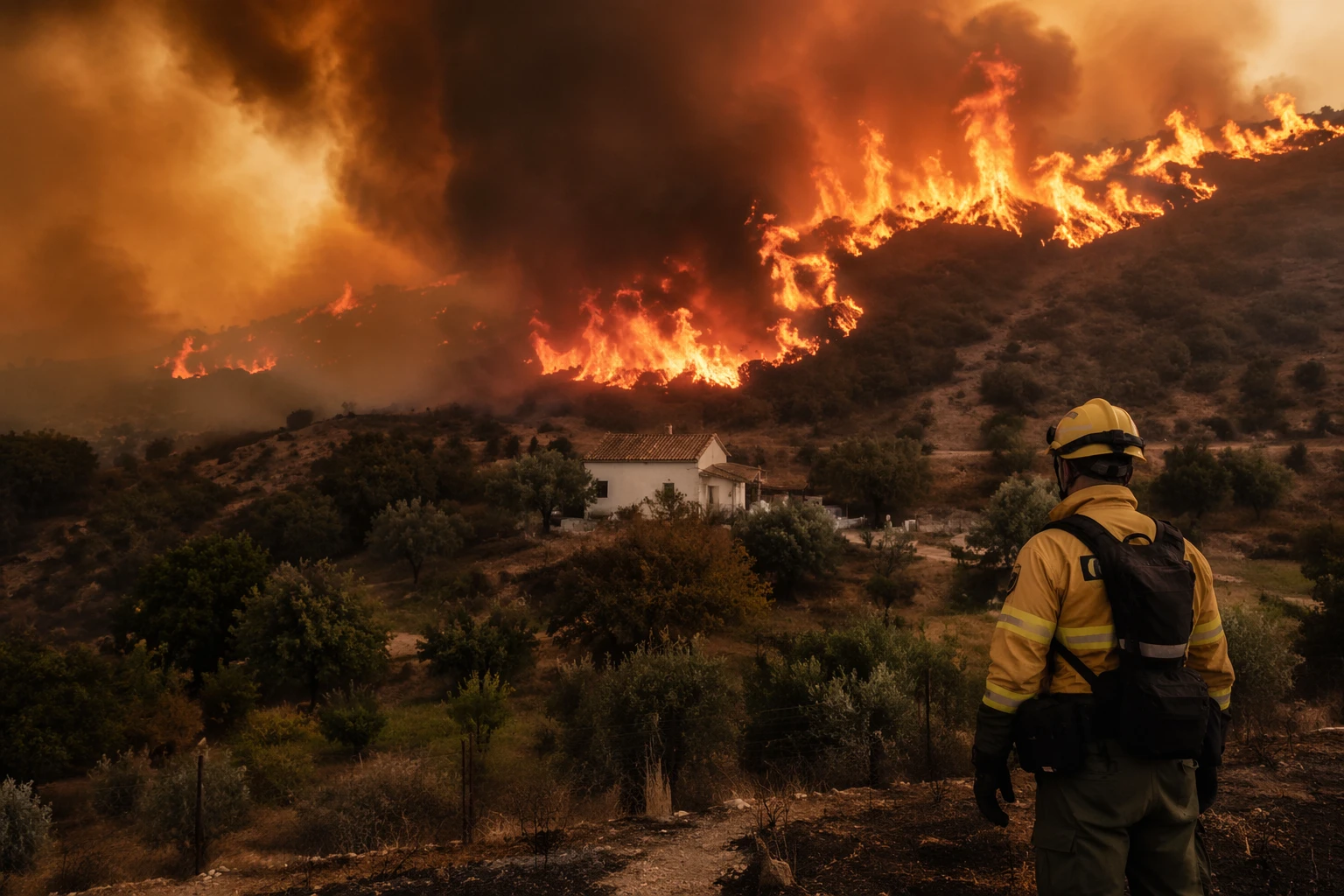
Antonio Sanz, speaking for the Andalusian response, called it the most devastating fire to date in the region and described the scene as an unprecedented tragedy. The Junta de Andalucía and the Emergency Agency of Andalucía were coordinating the operation under Plan INFOCA, the regional wildfire system that is designed to move crews quickly when fires threaten homes, roads and isolated communities.
The blaze in Almería was also part of a wider summer of heightened wildfire risk across southern Europe, where forecasters have linked repeated heat waves to more dangerous fire conditions. That broader pattern has sharpened the central question now facing Mediterranean governments: which fires are unavoidable in extreme weather, and which become deadly because housing, roads, power infrastructure and emergency coverage are too exposed to the conditions around them.
Sources
- [1]nytimes.com
- [2]france24.com
- [3]reuters.com
- [4]news.sky.com
- [5]rte.ie
- [6]abc.net.au