Sports
Spain’s 2010 World Cup winners compared with their 2026 successors
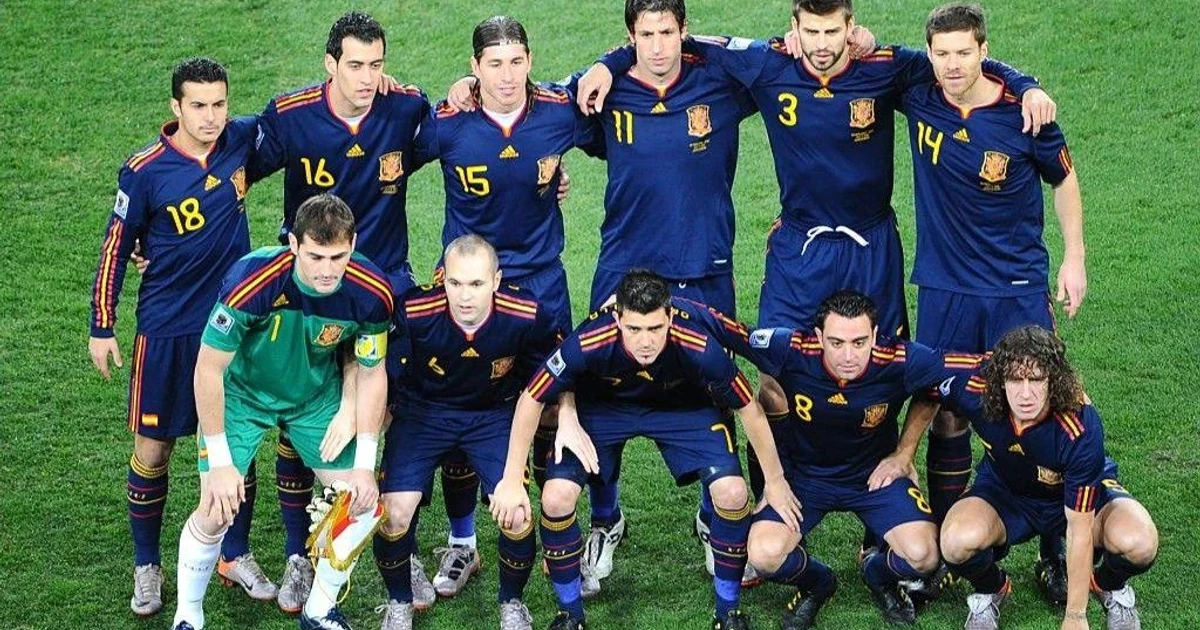
Andrés Iniesta’s extra-time goal gave Spain a 1-0 win over the Netherlands in the 2010 World Cup final on 11 July 2010 at FNB Stadium in Johannesburg, in front of 84,490 spectators under Howard Webb’s officiating. Spain’s latest World Cup run has revived the comparison with Vicente del Bosque’s champions: Luis de la Fuente’s 2026 squad reached the quarter-finals with a cleaner, faster and more layered version of Spanish football.
From Johannesburg to the modern tournament
The 2010 final in South Africa remains the clearest reference point. That triumph came after Spain had suffered a round-of-16 exit at the previous World Cup.
The 2026 side entered the same conversation from a different place. Spain arrived as reigning European champions after winning Euro 2024 and had not conceded a goal on the way into the quarter-finals. Both generations followed a disappointment at the previous World Cup, but the modern team is trying to win in a game that has changed around it.
The 2010 model: control first, risk last
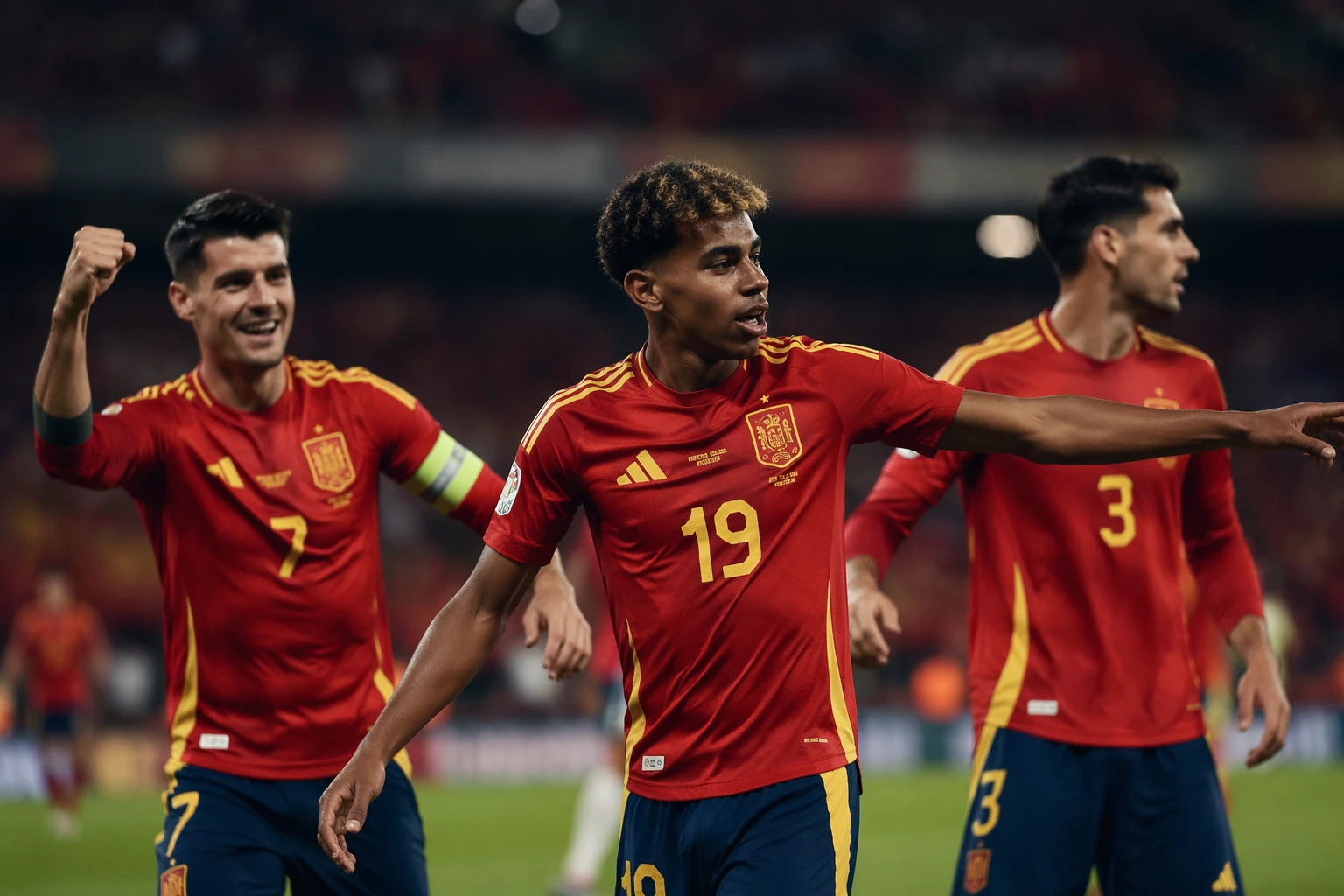
Del Bosque’s side was built around the possession culture that defined Spain’s golden age. Xavi Hernández, Andrés Iniesta and David Villa formed the central attacking axis of a team known for tiki-taka, recycling the ball until gaps appeared and opponents lost shape. The point was not speed for its own sake, but dominance through structure, with the ball itself used as the safest form of control.
That approach reached its peak in Johannesburg. The final was narrow, tense and methodical, a perfect illustration of a team that preferred to suffocate opponents rather than out-run them. The old model prized technical superiority in midfield, long spells of pass retention and a trust that one moment of brilliance, like Iniesta’s winner, would settle the biggest match of all.
The 2026 squad: deeper, faster, more vertical
De la Fuente’s squad carries the same Spanish comfort with the ball, but it is more dynamic and vertical than the 2010 team. Spain’s World Cup squad has 26 players, and that larger roster matters because the modern tournament punishes any side that cannot rotate, press and recover across a crowded schedule. Spain’s current group includes Barcelona teenager Lamine Yamal, a sign of how much more direct and elastic the attack has become.
Spain had not conceded a goal through the quarter-finals, while Unai Simón had gone 519 consecutive World Cup minutes without conceding. That kind of streak does not come only from defensive brilliance at the back; it reflects a side that attacks and defends as a unit, with pressure applied higher up the pitch and fewer clean transitions allowed against it.
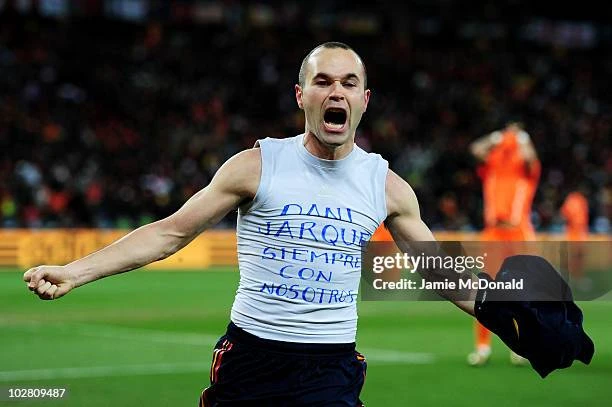
Spain’s 2026 group contained no Real Madrid players for the first time, a break from the old club-based balance that often shaped national teams. Instead, the side is broader, less dependent on one club’s axis and more spread across profiles, with players such as Pedro Porro and Mikel Oyarzabal adding different ways to advance the ball and threaten space.
What has changed in international football
The most important difference between the two Spain sides is not talent, but tempo. In 2010, Spain could slow the game to a crawl, build through midfield and trust that opponents would tire under the pressure of repeated possession. In 2026, the best teams do not give that luxury away as often, so Spain’s modern version has had to become more vertical, more aggressive in pressing and more flexible in how it attacks zones rather than just holding territory.
That evolution also changes positional roles. The 2010 team was defined by the rhythm of its midfield trio, with Xavi and Iniesta orchestrating and Villa finishing attacks from a central, narrow platform. The 2026 side is built to create danger through broader movement, faster ball progression and more varied starting positions.
Sources
- [1]bbc.co.uk
- [2]bbc.com
- [3]uefa.com
- [4]marca.com
- [5]beinsports.com
- [6]transfermarkt.us
- [7]wikiwand.com