Sports
Spain’s knockout run gains momentum under Luis de la Fuente
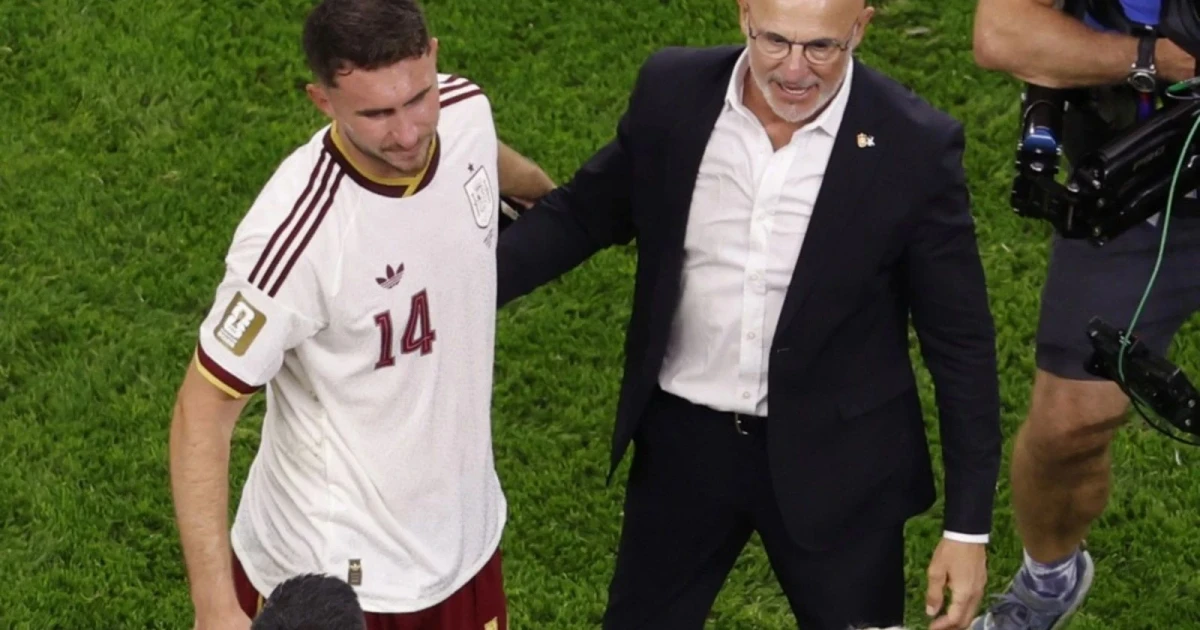
Spain’s best World Cup knockout surge in 16 years has arrived with a coach who has made calm and closeness part of the team’s competitive edge. Luis de la Fuente has taken a side that already controlled the group stage and pushed it into the final with a 3-0 win over Austria and a 2-0 victory over France.
How Spain set the platform
Spain entered the knockout bracket after finishing top of Group H with 7 points, 5 goals scored and none conceded. The Athletic’s tracking shows a D W W record across the first round of matches, and the results included wins over Saudi Arabia and Uruguay. That combination of points, goals and defensive control mattered because it showed Spain were not surviving games, but shaping them.
The group-stage numbers also explain why the turnaround in the eliminations has felt believable rather than sudden. Spain were already giving up very little in open play, and the route to the knockout phase suggested a team that could dictate tempo without overexposing itself. In tournament football, a clean back line and steady point accumulation are often what separate a contender from a team that simply advances.
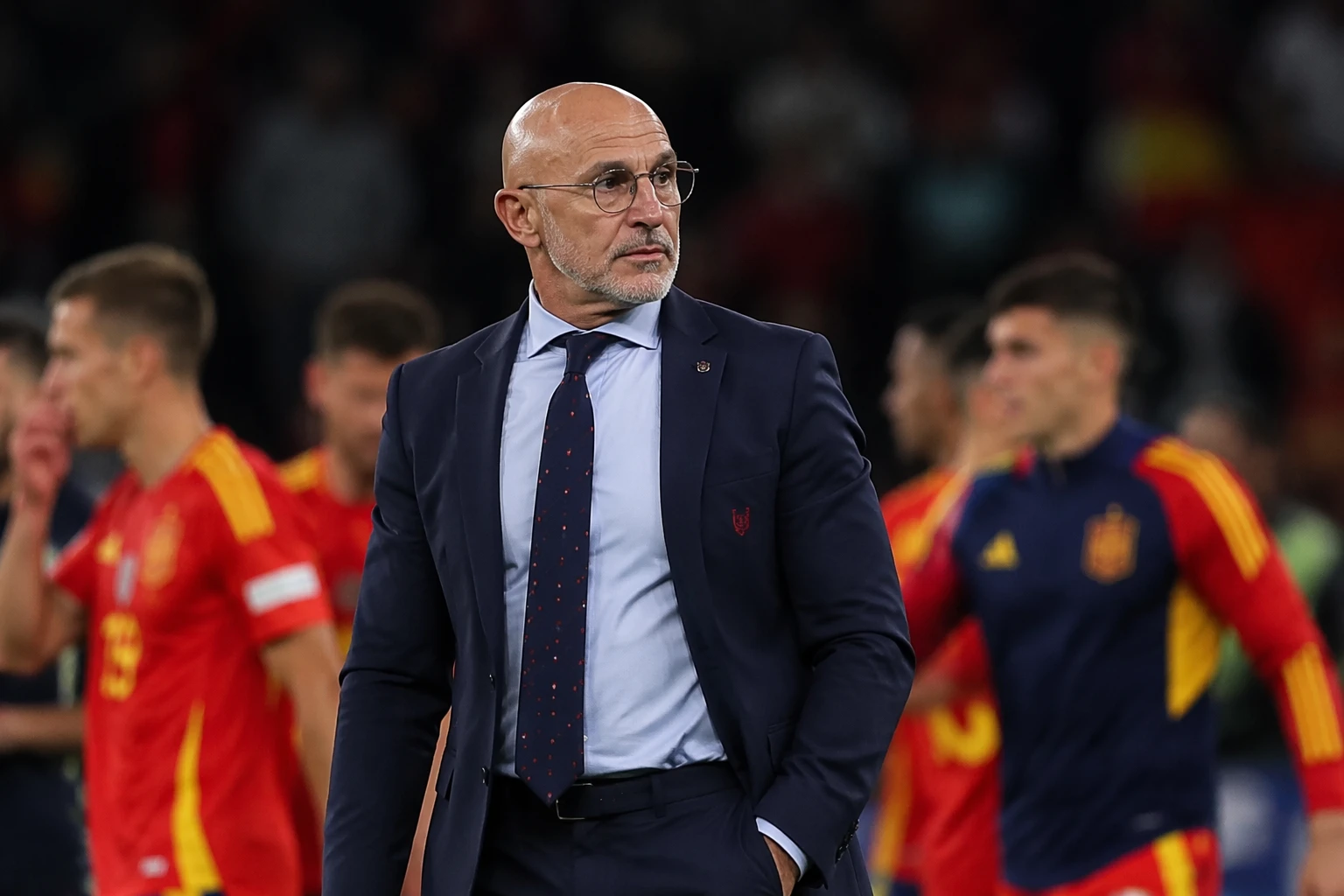
The knockout reset under Luis de la Fuente
The first major statement came in the round of 16, where Spain beat Austria 3-0. That result was framed as Spain’s first victory in a World Cup knockout match since 2010, which immediately changed the mood around the run. The victory did more than move Spain forward, it broke a long-standing pattern of frustration in the knockout rounds.
Spain then followed that with a 2-0 semifinal win over France, a match that pushed them into the final and made the momentum impossible to ignore. A team that had been tidy and controlled in the group stage had become more ruthless when the margin for error disappeared. The shift was not just about surviving pressure, it was about converting control into decisive scorelines when the tournament demanded it most.
That is the key to understanding Spain’s ceiling now. The group stage showed a team capable of suppressing opponents; the knockout games showed a team capable of finishing them off. When a side can pair a 0-goal defensive record in the group phase with back-to-back knockout wins by multiple goals, the conversation moves from progression to genuine title contention.
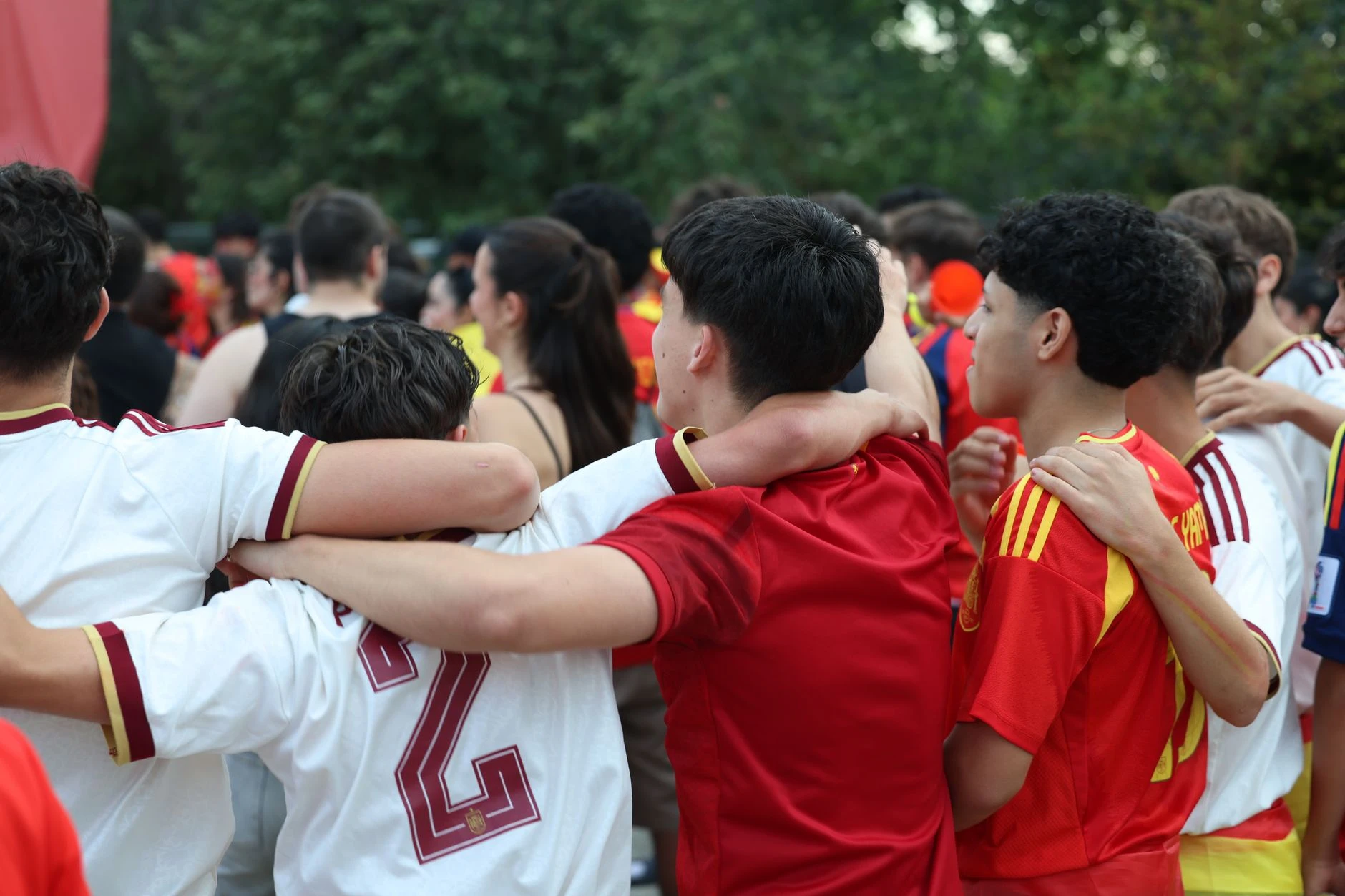
De la Fuente’s message inside the dressing room
De la Fuente’s rise has been built over time, not just in one tournament. Named Spain coach in December 2022, he has since led the side to the UEFA Nations League title in 2023, the Euro 2024 crown and a Nations League runner-up finish in 2025. The IFFHS also recognized him as its best coach of 2024, a sign that his work has been noticed well beyond Spain.
What stands out in FIFA’s coverage of his approach is how personal it is. De la Fuente has stressed amability and the importance of treating players as human beings, not just as footballers, and he has described the value of genuine relationships in the dressing room. That matters in a World Cup because the mental load rises with every round, and his message has been less about slogans than about trust.
After the win over France, De la Fuente said Spain felt “unbeatable,” and he also said the team had to live up to the high expectations around it. Those words fit the pattern of his management: confidence without drift, ambition without theatrics. The players’ response suggests that message has landed, because Spain have looked increasingly secure as the stakes have grown.
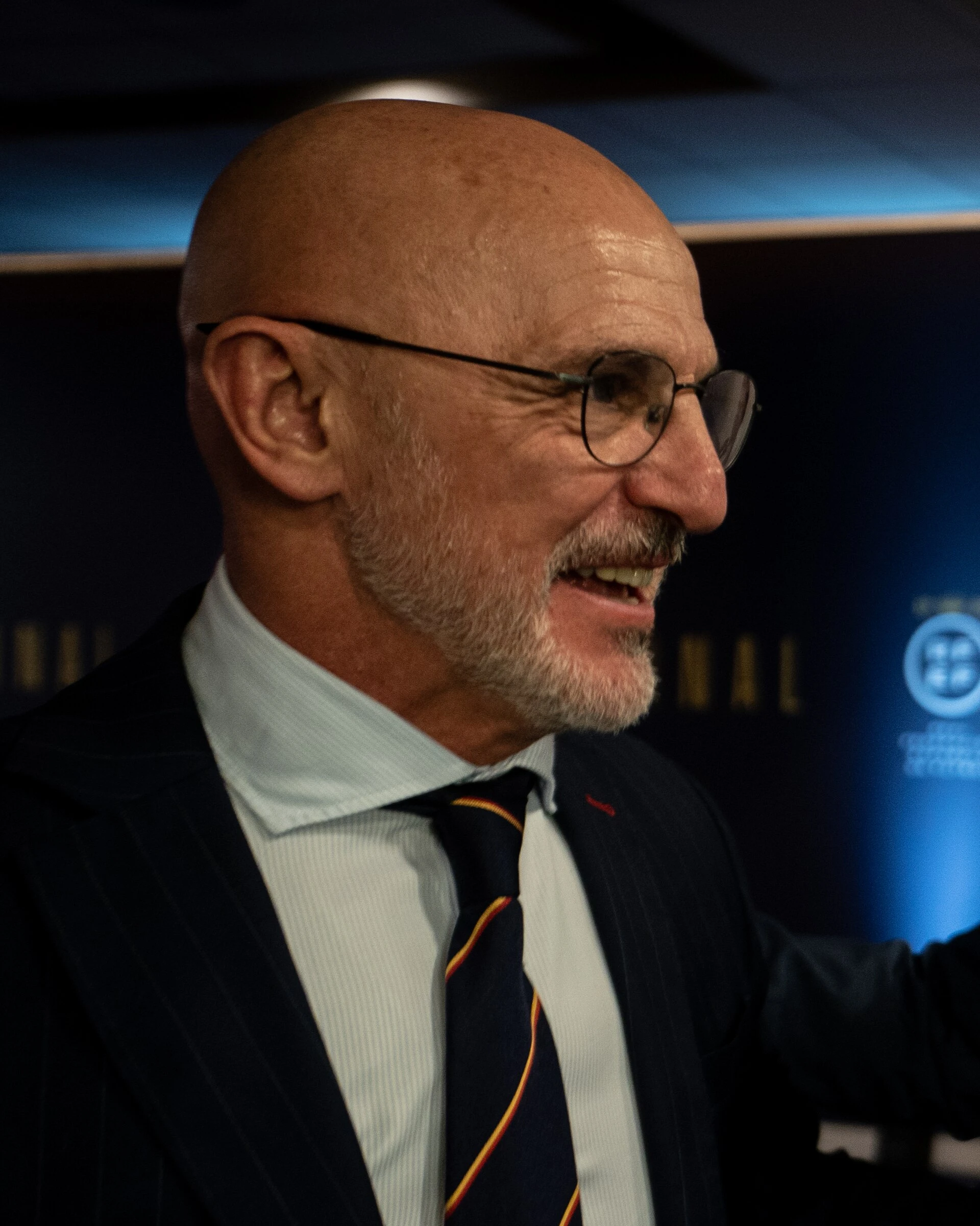
Why this run changes Spain’s ceiling
Spain have now reached the semifinal stage of the men’s World Cup only three times, and that rarity is part of why this run matters so much. The country’s benchmark remains the 2010 title, which has loomed over every subsequent tournament. Getting past Austria and then France gives this generation a different standard to measure itself against, one built on knockout success rather than almosts.
The practical impact is clear. Spain no longer look like a team whose limit is group-stage excellence followed by a hard exit under pressure. They have shown they can win a clean, controlled knockout match and then back it up against an elite opponent with more to lose, which is the profile of a team that can finish the tournament rather than merely feature in it. Under De la Fuente, Spain’s ceiling has moved from competitive relevance to the range of a true world champion.
Sources
- [1]telemundo.com
- [2]fifa.com
- [3]espn.com
- [4]en.wikipedia.org
- [5]sports.yahoo.com
- [6]aljazeera.com
- [7]rfef.es
- [8]uefa.com
- [9]theguardian.com