Politics
Spain’s parliament urges Sánchez to resign amid corruption scandal
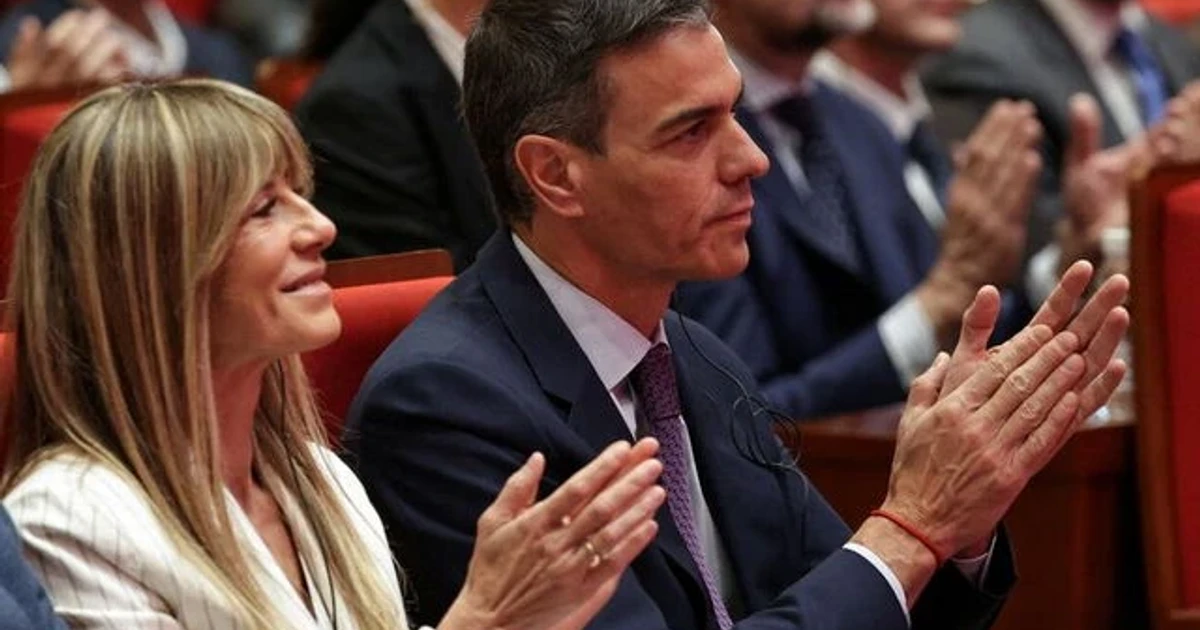
Spain’s Congress of Deputies voted 177-171 on June 25 to urge Pedro Sánchez to resign, a non-binding rebuke that carried no legal force but marked a sharp political blow for the prime minister as corruption allegations widened around his Socialist Party and his inner circle.
The resolution united the conservative People’s Party, Vox and Junts in a single anti-Sánchez vote, an unusual alignment in Spain’s fragmented parliament. That mattered less as law than as a public display of weakening authority: Sánchez still governs, but the vote showed how much his survival depends on shifting support issue by issue.
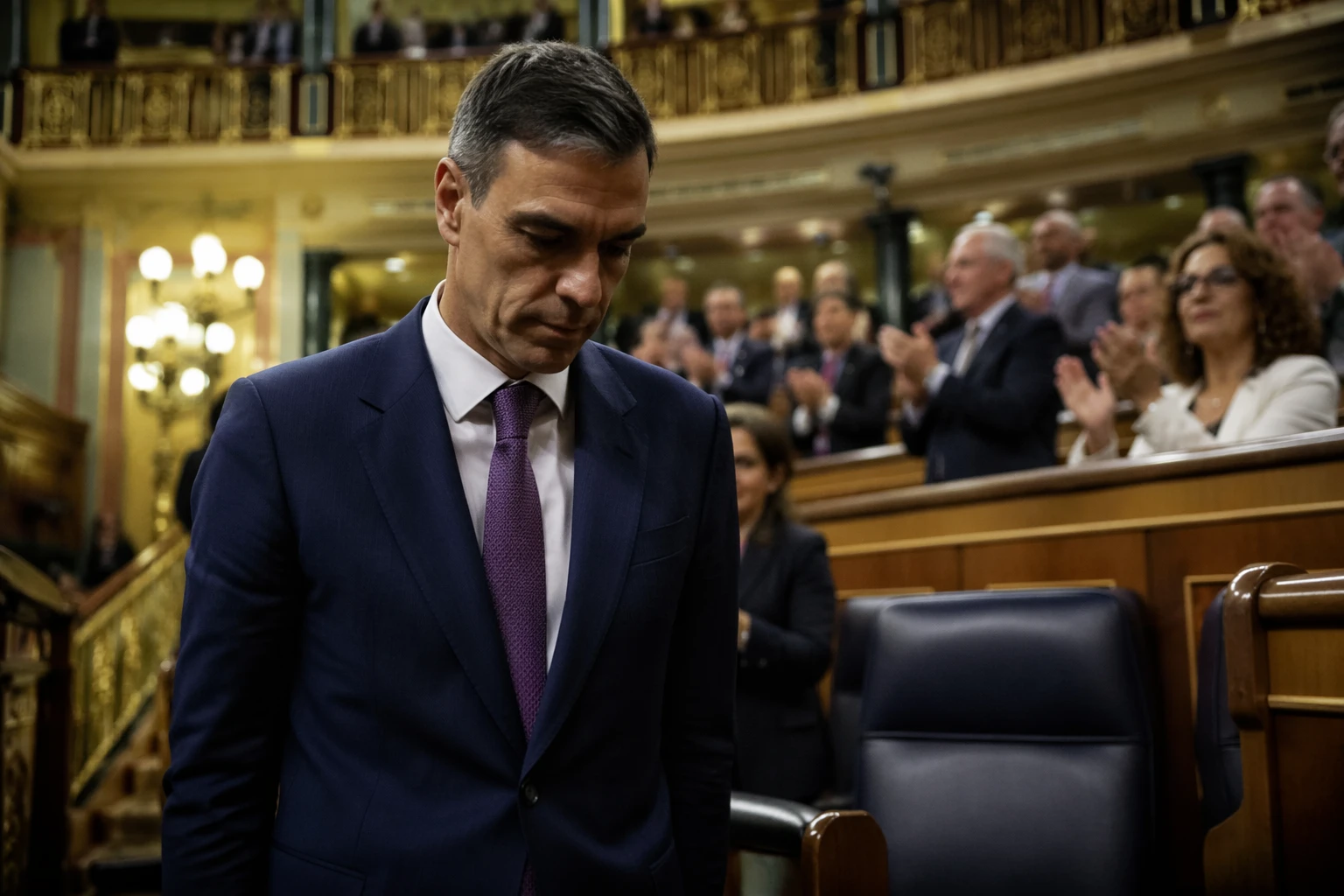
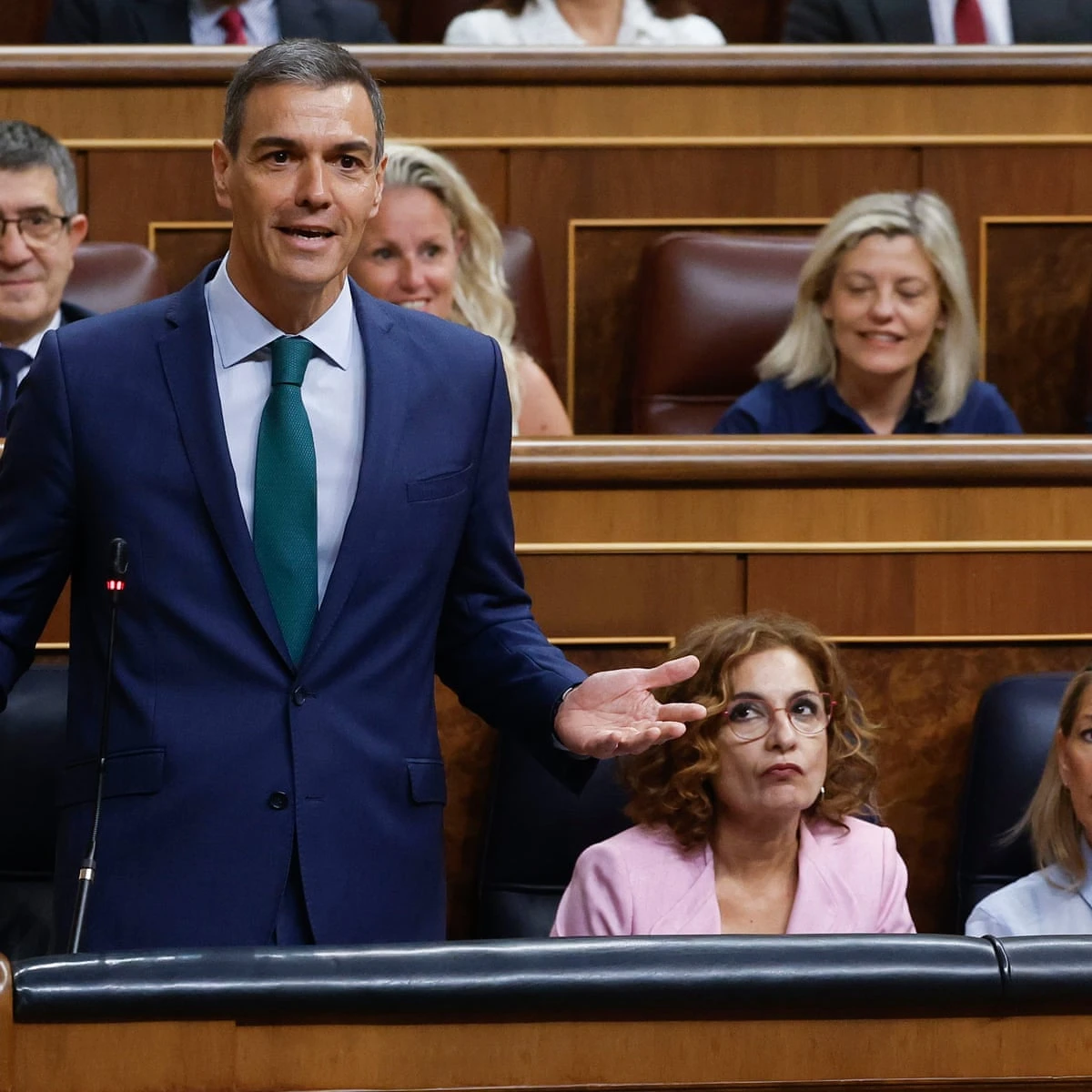
Sánchez had told lawmakers on June 24 that he intended to remain in office and denied accusations of widespread corruption. Justice Minister Félix Bolaños later dismissed the parliamentary result as having no real political effect, but the timing of the vote underscored the pressure now building around the government. People’s Party leader Alberto Núñez Feijóo used the June 24 debate to press Sánchez over the corruption cases before the chamber turned that confrontation into a recorded defeat.
The motion also urged Sánchez to seek a confidence vote if he refused to call an early election. Under Spain’s constitutional rules, only the prime minister can initiate such a vote, which makes the demand politically pointed but procedurally limited. Since the 1978 Constitution came into force, only two prime ministers have used the mechanism, Adolfo Suárez in 1980 and Felipe González in 1990, a sign of how rare and high-stakes that path remains.
The scandal tightening around Sánchez has already produced concrete legal consequences. José Luis Ábalos, Sánchez’s former transport minister, was sentenced on June 22 to 24 years in prison in the first verdict tied to the wider Socialist Party cases. Reuters has reported that more than a dozen people are being investigated or tried, including Sánchez’s wife, his brother, high-ranking party officials and an influential former Socialist premier.
Begoña Gómez, Sánchez’s wife, was ordered to stand trial and barred from leaving Spain on June 20, deepening the sense that the inquiry is no longer confined to one former aide or one case file. Junts has insisted that it will not do anything that could open the door to Vox entering government, which explains why it could back a symbolic anti-Sánchez motion while still resisting a move that might hand power to a PP-Vox coalition. For Sánchez, that leaves the government formally intact but politically exposed, with every new vote now carrying the risk of revealing just how brittle his majority has become.
Sources
- [1]usnews.com
- [2]internazionale.it
- [3]thelocal.es
- [4]straitstimes.com
- [5]democrata.es