Politics
Spain's top court jails former minister Abalos for corruption

José Luis Ábalos, once one of Pedro Sánchez’s closest allies, has been sentenced to 24 years and 3 months in prison in a ruling that cuts far deeper than one man’s conviction. Spain’s Supreme Court has turned the first verdict in the Koldo case into a major political shock for the Socialist Party, because the case reaches into the party’s inner circle and the public contracting system that helped fuel it.
The Supreme Court’s Criminal Chamber found Ábalos guilty of criminal organization, bribery, embezzlement and influence peddling over alleged corruption in the purchase of facemasks during the Covid-19 pandemic. The case began in the Supreme Court on February 28, 2024, and has also involved his former adviser Koldo García Izaguirre and businessman Víctor de Aldama. Prosecutors had sought a 24-year sentence before the verdict, and the court had already ordered Ábalos and his aide into pre-trial detention without bail on November 27, 2025, citing an extreme flight risk.
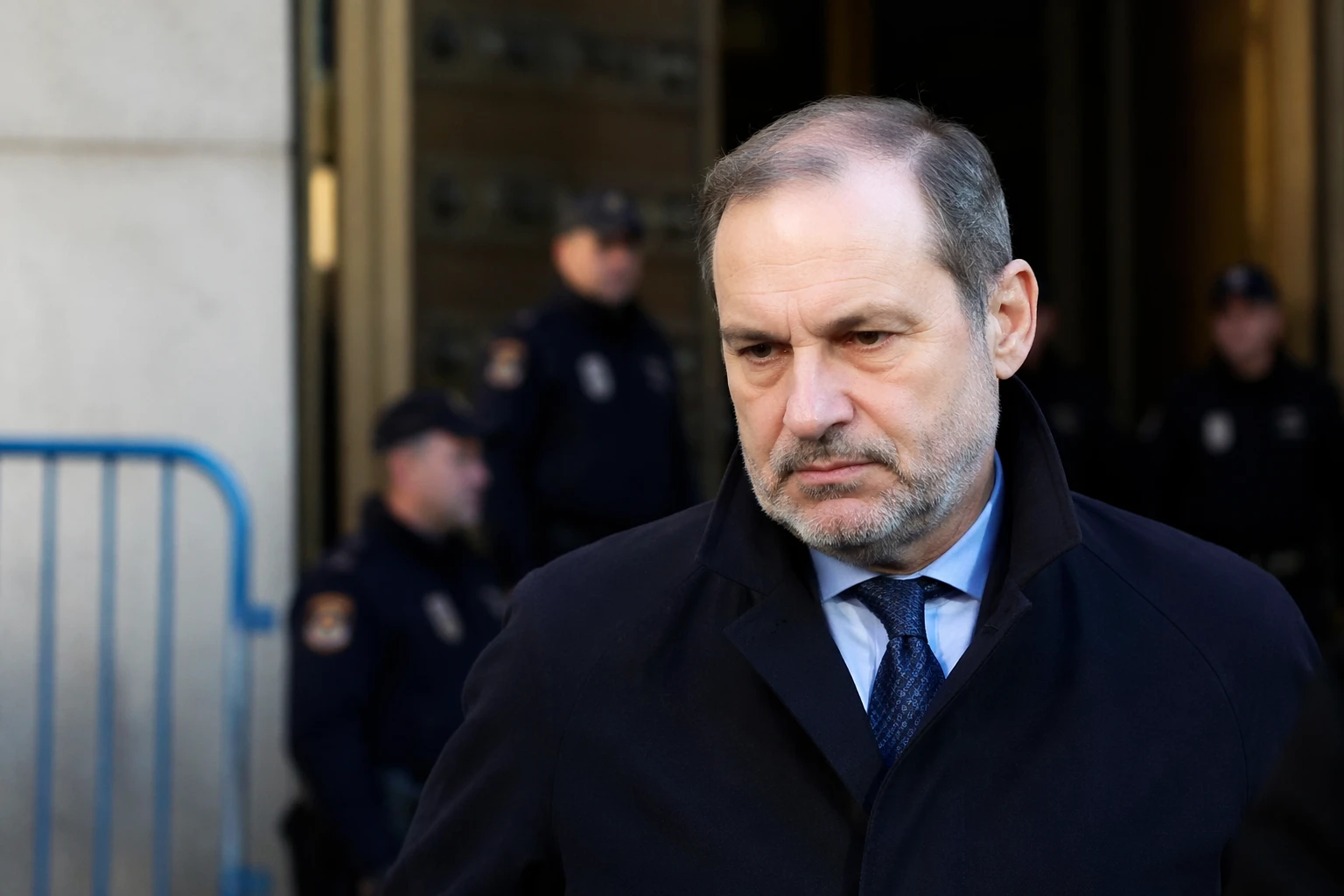
The sentence matters because Ábalos was not a peripheral figure. As transport minister and a prominent figure in the Socialist governing orbit, he was part of the political machinery around Sánchez, making the ruling a stress test for the government’s credibility as much as a criminal judgment. The conviction is the first trial verdict in the Koldo case, and it arrives while more than a dozen people have been investigated or tried in matters touching Sánchez’s circle, even though Sánchez himself has not been named in those cases.
For the opposition, the verdict is ammunition. The conservative PP and Vox have already used the scandal to press for Sánchez’s resignation or early elections, arguing that the corruption probes point to something systemic rather than isolated. Socialist officials, including Félix Bolaños, have countered that the party removed Ábalos from responsibility and that criminal liability belongs to the courts, not to the party apparatus.
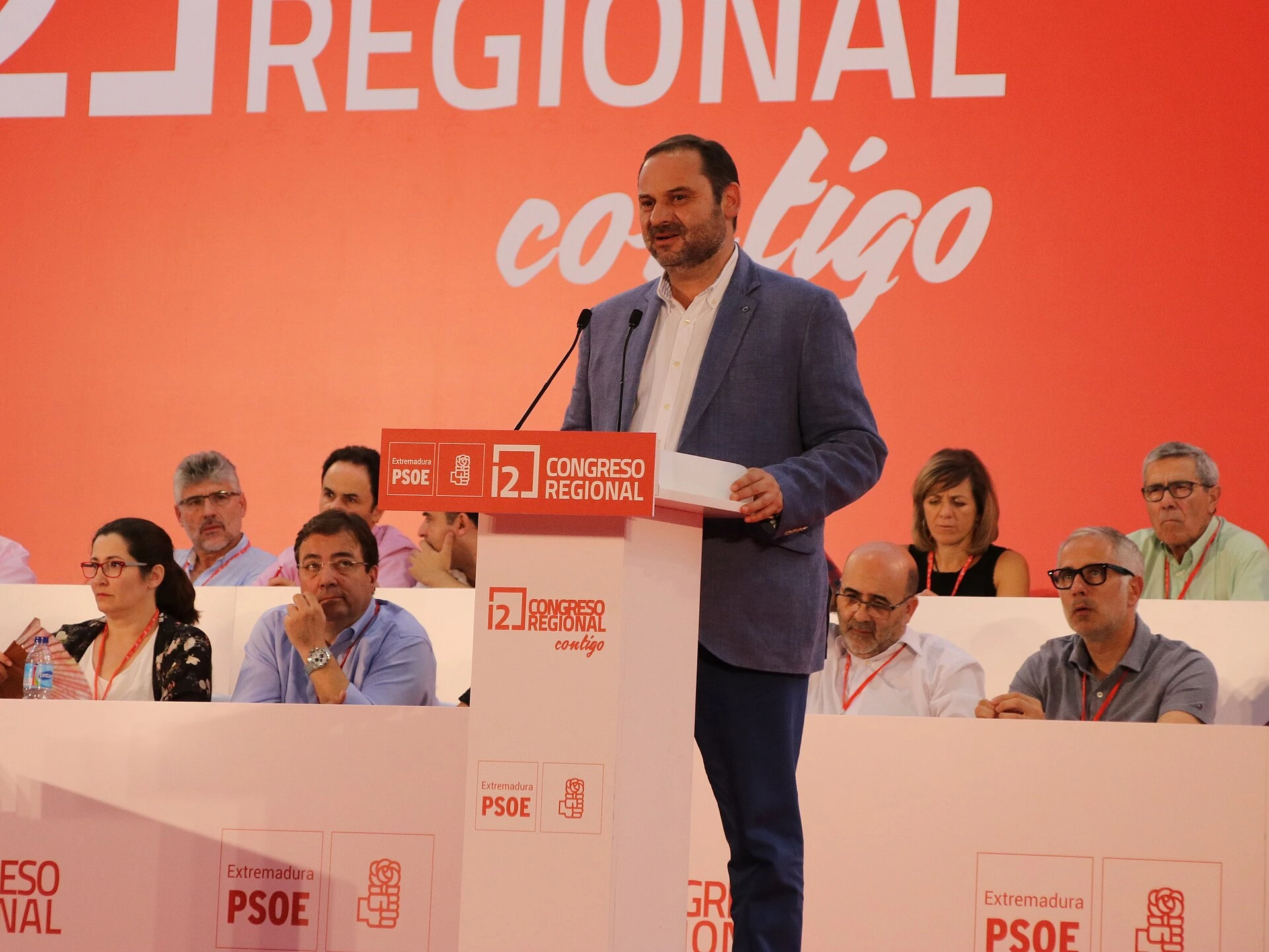
That argument may no longer be enough to calm the political damage. The case has become a referendum on whether Spain’s institutions can police senior power without unraveling the alliances that keep a minority government afloat. It also sends a broader European signal: when anti-corruption cases reach cabinet-level insiders, the consequences can spread from the courtroom to party discipline, coalition bargaining and public trust in government itself.
Sources
- [1]msn.com
- [2]thestar.com.my
- [3]english.elpais.com
- [4]catalannews.com
- [5]euractiv.com
- [6]politico.eu
- [7]aol.com