World
Spanish gains momentum across sub-Saharan Africa as students surge
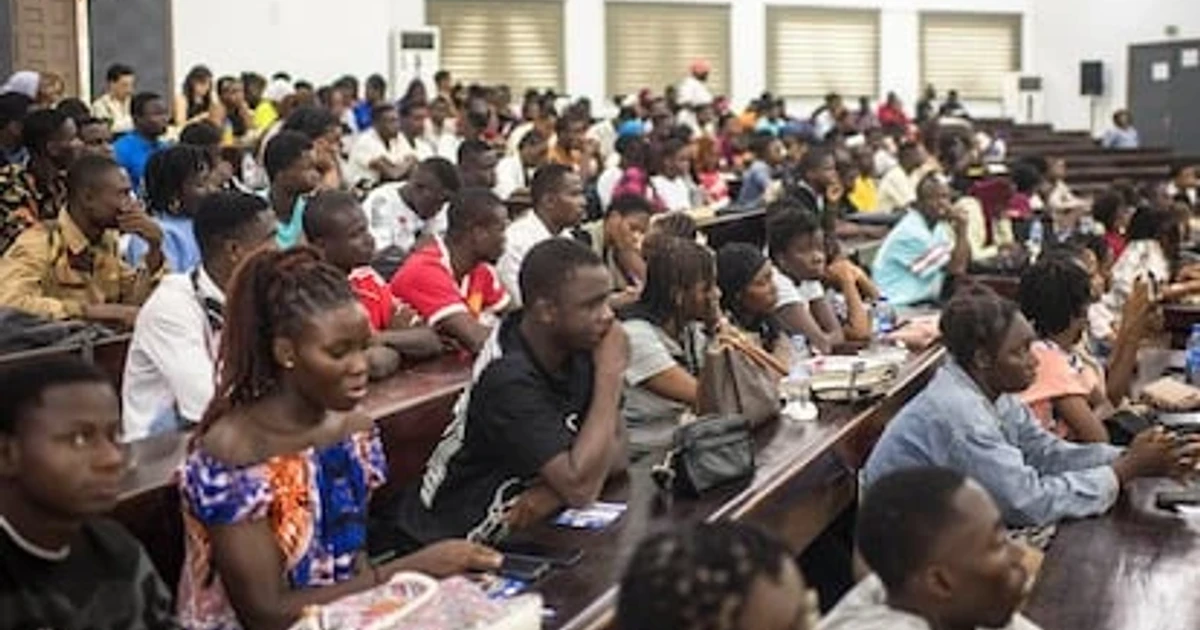
Spanish is spreading fast across sub-Saharan Africa, where roughly 3.5 million people now study it, more than double the number recorded in 2014. The surge is about more than language lessons: it reflects shifting cultural tastes, migration routes, education markets and a quiet contest for influence with French, English and Chinese.
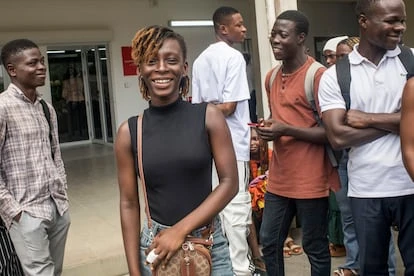
In Ivory Coast, Gloria Ane captures that change in personal terms. She first heard Spanish through the Mexican soap opera Marimar, then went on to study Hispanic philology at Félix Houphoüet-Boigny University in Abidjan. Her path reflects why Spanish is gaining ground now, because it promises access not just to literature and media, but also to jobs, wider international opportunities and a credential that can travel across borders.
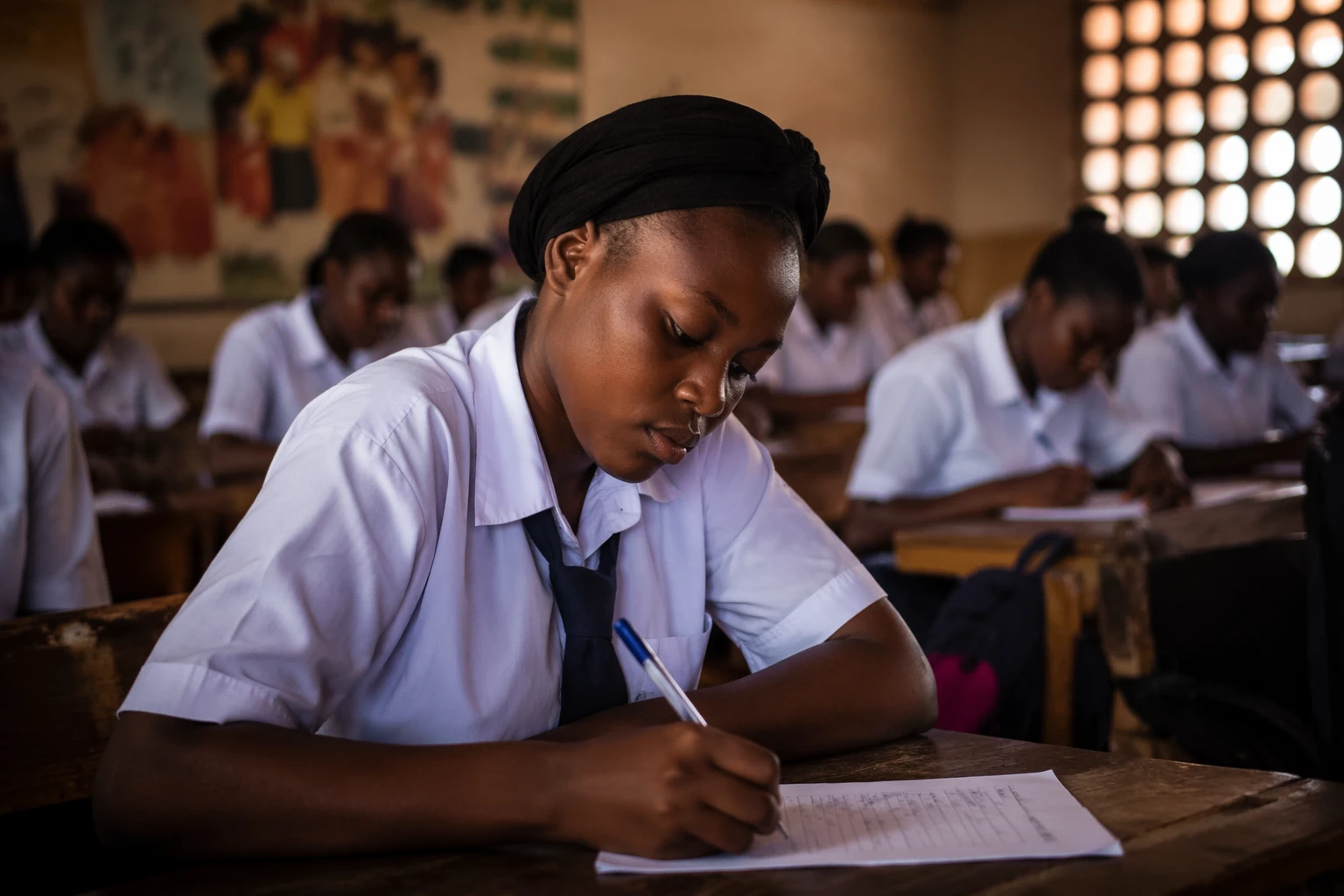
The institutional footprint is growing with it. The new Aula Cervantes headquarters in Abidjan was inaugurated on June 10, and the Spanish-language testing network in Côte d’Ivoire now runs through three centers: Aula Cervantes Abidjan, Lycée Français International Jean-Mermoz in Abidjan for school exams, and Université Alassane Ouattara in Bouaké for the May session. Candidates of African nationality enrolled in public education can also receive up to a 40% reduction in DELE fees, a practical incentive that lowers the cost of entry and helps widen access.
Luis García Montero, the director of Instituto Cervantes, has cast that expansion as part of a broader push for dialogue rather than domination, as Spanish grows into a major world language with influence in culture, science, business and international relations. Álvaro García, the institute’s academic director, called the growth in the region “simply spectacular,” a judgment borne out by a 2021 Cervantes paper that found Spanish had become progressively integrated into education systems after decolonization, especially in francophone countries such as Benin, Cameroon, Côte d’Ivoire, Gabon and Senegal.
That history matters because the expansion has not happened evenly. In anglophone, lusophone and Arabic-speaking parts of sub-Saharan Africa, Spanish has long advanced more through private centers and universities than through state systems. Cameroon stands out as a key case, with a strong Hispanist tradition, Spanish-language journalism and recurring international Hispanists’ congresses, including the third conference planned for 2026 after meetings in 2022 and 2024. For students, teachers and institutions that can monetize the language through exams, classrooms and cross-border mobility, Spanish is no longer a fringe option. It is becoming part of the region’s diplomatic and economic infrastructure.