Health
Spanish Scientist Achieves Historic Breakthrough in Pancreatic Cancer Cure
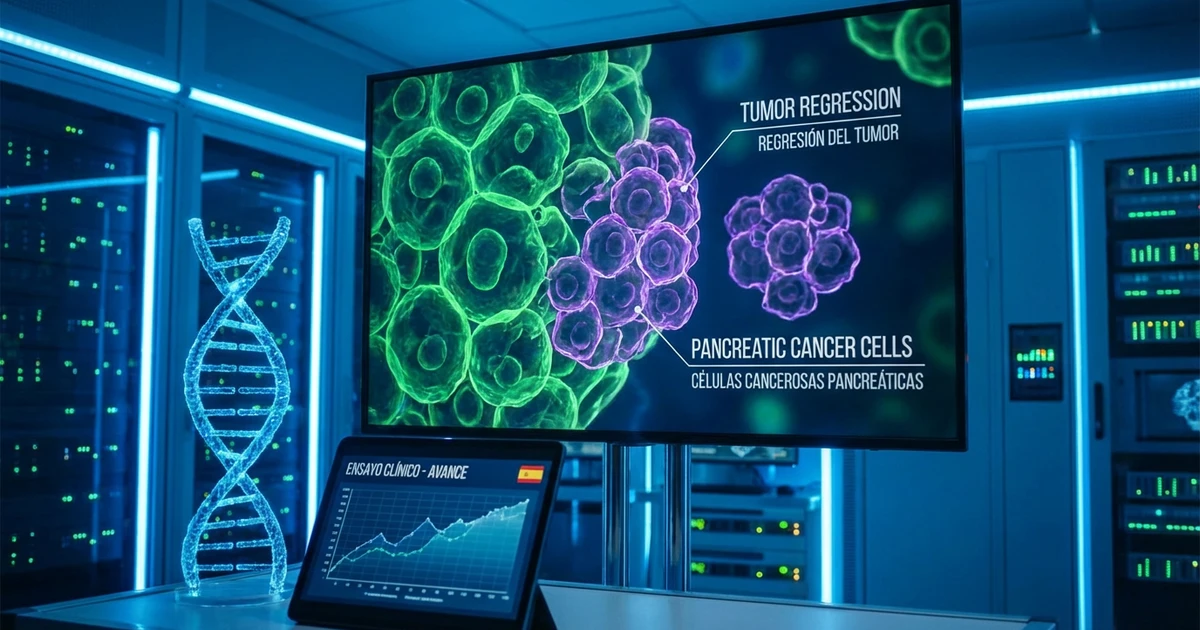
Pancreatic cancer, one of the most lethal forms of cancer, may soon be less formidable thanks to a landmark breakthrough led by a Spanish scientist. Recent reports indicate that this discovery has resulted in the regression of pancreatic tumors, signaling a new era in cancer treatment and offering hope to patients worldwide.
Unprecedented Success Against a Deadly Disease
Pancreatic cancer has long been recognized for its low survival rates and limited treatment options. According to recent coverage, a Spanish scientist has developed a therapy that has successfully induced regression in pancreatic tumors—a feat previously considered unattainable due to the cancer's aggressive nature and late-stage diagnosis in most patients.
Details of the Breakthrough
While early reports focus on the remarkable success in driving tumor regression, further details about the treatment method, underlying mechanisms, and clinical application are anticipated as the scientific community reviews the findings. The development has garnered international attention, with medical experts emphasizing the potential to transform standard care protocols for a disease that has seen little improvement in patient outcomes for decades.
Global Impact and Next Steps
The significant reduction of pancreatic tumors observed in this study is being hailed as a major medical breakthrough. If these results are replicated and verified in larger trials, the discovery could pave the way for widespread adoption in oncology clinics.
- Pancreatic cancer is the seventh leading cause of cancer-related deaths globally.
- Five-year survival rates for pancreatic cancer have typically remained below 10%.
- Current treatments include surgery, chemotherapy, and radiation, but with limited effectiveness for most patients.
The innovation from Spain is expected to prompt rapid investment in further research, regulatory review, and eventual patient access, pending the outcome of additional trials and peer-reviewed publication.
Hope for Patients and Families
This breakthrough offers renewed hope for individuals and families affected by pancreatic cancer, who have long awaited a transformative therapy. The international medical community is watching closely as more details emerge and as the therapy moves toward broader clinical testing.
Looking Ahead
While the discovery is still in early stages, its potential to change the trajectory of pancreatic cancer care is significant. The world now awaits further scientific validation, regulatory approval, and the possibility that this Spanish-led innovation may one day become the new standard of care for a disease that has challenged medicine for generations.