US News
Special counsel blames Trump-era lawyer in ICE detainee release case
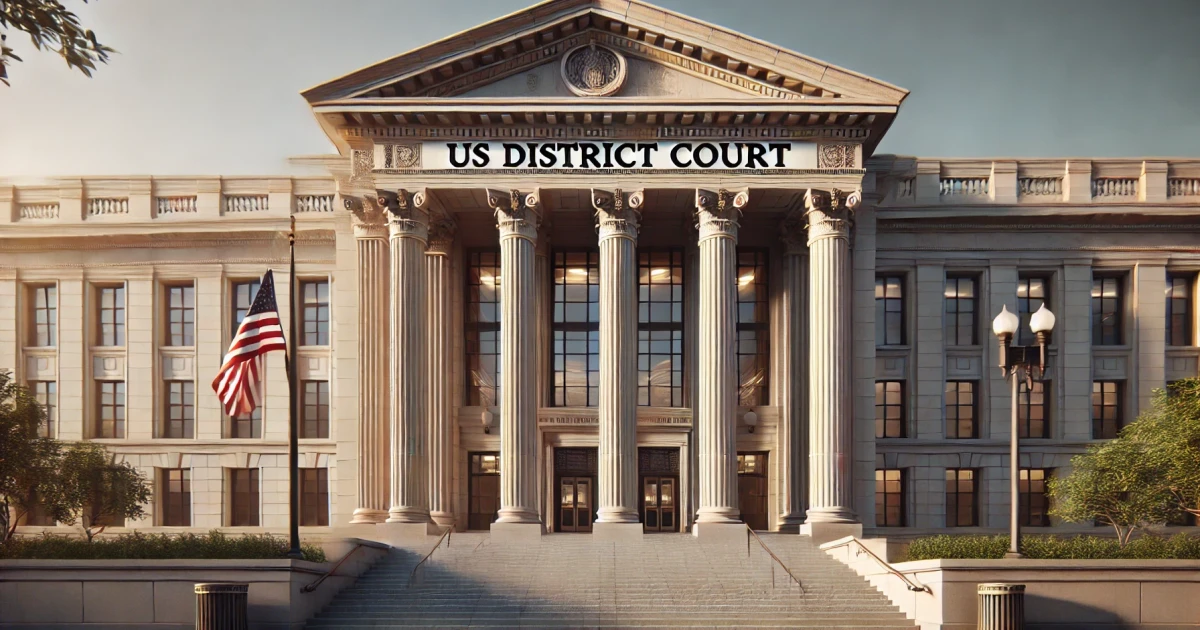
A federal judge concluded that a Justice Department lawyer helped mislead the court in an immigration habeas case involving a man wanted for homicide in the Dominican Republic, yet the internal review ended with no formal punishment. The result exposed a familiar accountability gap inside the department: a finding of bad judgment and a breach of candor, but not a disciplinary referral that would carry public sanctions.
The case centered on Gómez v. Nessinger, a habeas petition filed by Bryan Rafael Gómez in U.S. District Court for the District of Rhode Island. Kevin Bolan, the chief of the U.S. attorney’s office civil division in Rhode Island, filed a brief that omitted a Dominican Republic warrant dated January 24, 2023, even though Gómez was being held by Immigration and Customs Enforcement after Worcester police arrested him on April 4, 2026 on assault and battery charges and he posted $500 bail.

Judge Melissa R. DuBose ordered Gómez released on April 28, 2026. Two days later, after a public Department of Homeland Security statement suggested the judge had knowingly freed a murder suspect, DuBose held a hearing and said the government’s language was dangerous and a threat to judicial security. On May 7, she referred the matter for review and appointed special counsel Niki Kuckes to investigate how the omission reached her courtroom.
The court’s June 16 letter says Kuckes found sufficient evidence that Bolan violated Rhode Island Rule of Professional Conduct 3.3(a)(1), the duty of candor to the court. It also says Bolan did not intend to deceive the judge, and that the proper response was a cautionary letter rather than discipline. Bolan acknowledged that he knowingly left out the homicide-warrant information at the direction of an ICE client contact, and the letter says ICE had already publicly disclosed the warrant at least twice. He also acknowledged that he could have asked for more time, escalated the issue, or found another way to alert the court before it ruled.

The decision leaves the core embarrassment intact. A federal judge was denied material facts before ordering release, then publicly cast as having let out a murder suspect, while the lawyer who omitted the information faced only an internal warning. The Justice Department’s professional responsibility system can end with findings ranging from no misconduct to poor judgment or cautionary letters, and this case closed within that framework rather than through a public bar sanction.
Sources
- [1]nytimes.com
- [2]rid.uscourts.gov
- [3]justice.gov
- [4]lawfaremedia.org
- [5]dhs.gov
- [6]reuters.com